US-Iran Talks Commence in Islamabad with JD Vance Leading Delegation as Ceasefire Faces Uncertainty
Security Measures in Islamabad
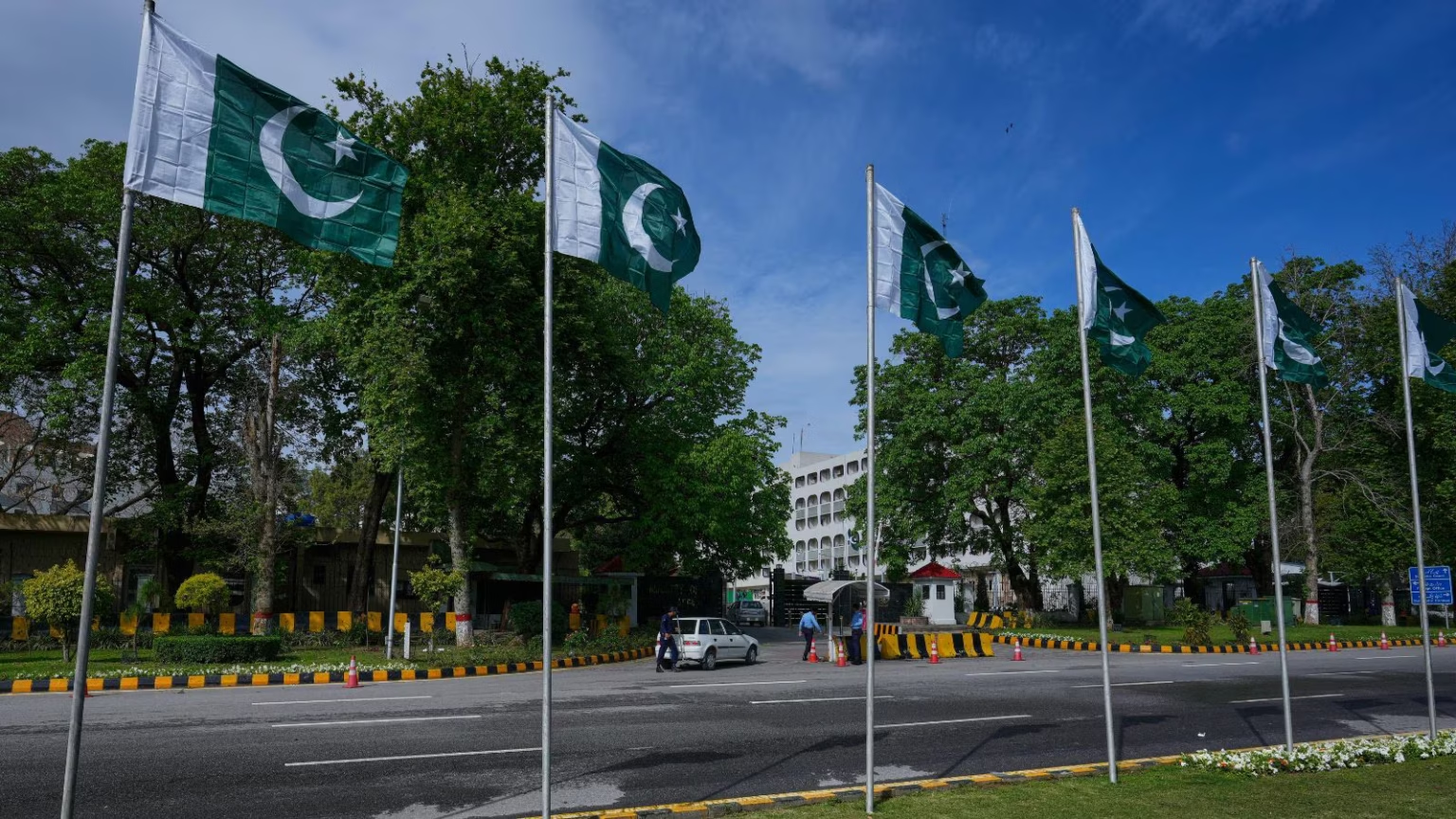
The United States and Iran have initiated talks in Islamabad, Pakistan, under heightened security conditions. The delegation’s arrival follows a two-week ceasefire, during which hostilities in the region were paused. However, the situation remains delicate, with ongoing Israeli military actions in Lebanon raising potential complications for the negotiations. To ensure security, Pakistani authorities have declared a two-day public holiday as both nations prepare for discussions.
Delegation Composition
The United States is represented by a team led by Vice President JD Vance, who is accompanied by special envoy Steve Witkoff and Jared Kushner. Vance expressed optimism regarding the negotiations, stating, “We’re looking forward to the negotiation. I think it’s going to be positive,” ahead of their departure for Islamabad.
While Iran has not made an official announcement regarding its delegation, reports from local media indicate that the parliament speaker, Mohammad Bagher Ghalibaf, may be the leader of their team. Prime Minister of Pakistan Shehbaz Sharif has characterized these talks as a “make-or-break moment,” emphasizing the government’s commitment to facilitating dialogue.
Key Discussion Points
One of the primary topics of discussion is anticipated to be Iran’s nuclear program, with US President Donald Trump asserting that ensuring “no nuclear weapon” is crucial. There is some confusion about the proposals from both delegations, as Trump referred to a “10-point proposal from Iran” as a potential “workable basis.” However, Iranian media have reported demands that include the lifting of all sanctions and recognition of Iranian control over the Strait of Hormuz, which the US is unlikely to accept.
In contrast, the US is reportedly proposing its own multi-point plan that encompasses restrictions on Iran’s nuclear and military capabilities. The complexity of these demands indicates a potentially challenging negotiation landscape.
Challenges Posed by Lebanon Situation
The discussions are further complicated by disagreements concerning Lebanon. Iran maintains that the ceasefire should extend to its ally Hezbollah, while the US and Israel disagree with this interpretation. Recent Israeli military strikes in Lebanon have resulted in significant casualties and have drawn international condemnation. Ghalibaf remarked that proceeding with talks would be unfeasible without a ceasefire in Lebanon, warning that “time is running out.”
Vice President Vance acknowledged a “legitimate misunderstanding” regarding Lebanon’s involvement in the ceasefire and suggested that Israel may need to exercise restraint in its actions moving forward.
The Importance of the Strait of Hormuz
The Strait of Hormuz, a crucial route for global oil supplies, is also expected to be a major item on the agenda. Despite the current ceasefire, shipping activities in the strait remain limited. Iran has issued warnings that any breach of the truce could provoke a strong response, while President Trump has cautioned against any attempts to impose tolls on vessels passing through the strait.
Outlook for the Meeting
US officials anticipate that the talks may involve both direct and indirect discussions. President Trump expressed optimism regarding the likelihood of a deal, noting that Iran appeared to demonstrate a more reasonable stance during private conversations. Nevertheless, public statements from Iran suggest a firmer position on several issues. The negotiations in Islamabad are expected to be the initial phase in a series of discussions, rather than an expectation for a conclusive agreement.
Follow US
https://www.facebook.com/charchaexpress
https://www.youtube.com/@charcha-express
https://www.instagram.com/charcha.express/
Contents
Security Measures in IslamabadThe United States and Iran have initiated talks in Islamabad, Pakistan, under heightened security conditions. The delegation’s arrival follows a two-week ceasefire, during which hostilities in the region were paused. However, the situation remains delicate, with ongoing Israeli military actions in Lebanon raising potential complications for the negotiations. To ensure security, Pakistani authorities have declared a two-day public holiday as both nations prepare for discussions.Delegation CompositionThe United States is represented by a team led by Vice President JD Vance, who is accompanied by special envoy Steve Witkoff and Jared Kushner. Vance expressed optimism regarding the negotiations, stating, “We’re looking forward to the negotiation. I think it’s going to be positive,” ahead of their departure for Islamabad.While Iran has not made an official announcement regarding its delegation, reports from local media indicate that the parliament speaker, Mohammad Bagher Ghalibaf, may be the leader of their team. Prime Minister of Pakistan Shehbaz Sharif has characterized these talks as a “make-or-break moment,” emphasizing the government’s commitment to facilitating dialogue.Key Discussion PointsOne of the primary topics of discussion is anticipated to be Iran’s nuclear program, with US President Donald Trump asserting that ensuring “no nuclear weapon” is crucial. There is some confusion about the proposals from both delegations, as Trump referred to a “10-point proposal from Iran” as a potential “workable basis.” However, Iranian media have reported demands that include the lifting of all sanctions and recognition of Iranian control over the Strait of Hormuz, which the US is unlikely to accept.In contrast, the US is reportedly proposing its own multi-point plan that encompasses restrictions on Iran’s nuclear and military capabilities. The complexity of these demands indicates a potentially challenging negotiation landscape.Challenges Posed by Lebanon SituationThe discussions are further complicated by disagreements concerning Lebanon. Iran maintains that the ceasefire should extend to its ally Hezbollah, while the US and Israel disagree with this interpretation. Recent Israeli military strikes in Lebanon have resulted in significant casualties and have drawn international condemnation. Ghalibaf remarked that proceeding with talks would be unfeasible without a ceasefire in Lebanon, warning that “time is running out.”Vice President Vance acknowledged a “legitimate misunderstanding” regarding Lebanon’s involvement in the ceasefire and suggested that Israel may need to exercise restraint in its actions moving forward.The Importance of the Strait of HormuzThe Strait of Hormuz, a crucial route for global oil supplies, is also expected to be a major item on the agenda. Despite the current ceasefire, shipping activities in the strait remain limited. Iran has issued warnings that any breach of the truce could provoke a strong response, while President Trump has cautioned against any attempts to impose tolls on vessels passing through the strait.Outlook for the MeetingUS officials anticipate that the talks may involve both direct and indirect discussions. President Trump expressed optimism regarding the likelihood of a deal, noting that Iran appeared to demonstrate a more reasonable stance during private conversations. Nevertheless, public statements from Iran suggest a firmer position on several issues. The negotiations in Islamabad are expected to be the initial phase in a series of discussions, rather than an expectation for a conclusive agreement.