Iran’s Proposal for Maritime Tolls: An Examination of Potential Impacts on Oil Pricing
Historical Context of Maritime Tolls
In 1429, King Eric of Pomerania initiated tolls for ships passing through the Øresund, a key strait between Denmark and Sweden. All vessels heading for the Baltic Sea were required to halt at Helsingør and pay a fee, with those non-compliant faced with cannon fire from both banks. By the 16th and 17th centuries, these tolls, known as Sound Dues, contributed significantly to Denmark’s revenue. They were restructured in 1567 into a tax of 1-2% based on declared cargo value, leading to a tripling of revenues. This toll persisted for 428 years and was eliminated in 1857 after negotiations involving thirteen nations, which saw substantial compensation paid to Denmark.
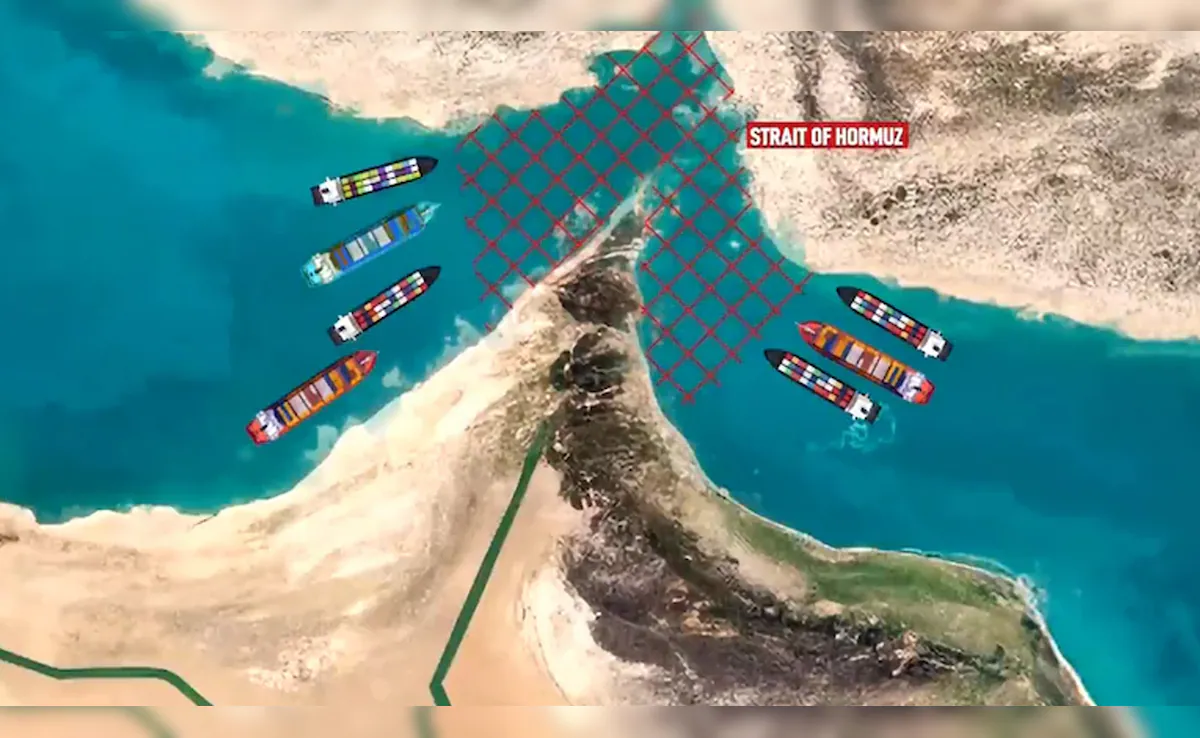
Today, the Strait of Hormuz presents a modern parallel, as Iran seeks to establish a similar tolling system for maritime traffic.
The Iranian Tollbooth
Since February 28, following military actions by the United States and Israel against Iran, the Islamic Revolutionary Guard Corps (IRGC) has been setting up a toll system for vessels transiting the Strait of Hormuz. Ships must submit various documentation, including their identification number, crew list, and cargo details to an intermediary linked to the IRGC. Following a screening process, vessels receive clearance along with specific routing instructions. This protocol involves an IRGC patrol boat that escorts approved ships through the channel near Larak Island. The toll is reportedly starting at around one dollar per barrel of oil carried, translating to approximately USD 2 million for a Very Large Crude Carrier transporting two million barrels. Payments must be made in either Chinese yuan or stablecoins, and Iran’s Parliament is moving to formalize this arrangement with tolls denominated in rials.
Traffic data paints a stark picture; prior to recent military actions, approximately 135 commercial vessels crossed the Strait daily, carrying around 20 million barrels of oil and liquefied natural gas. In stark contrast, only 24 vessels crossed in the last week of March, marking a 96% decline in traffic.
Potential Revenue for Iran
Prior to the instability, traffic levels suggested a significant revenue opportunity from tolls. Estimates indicated that ten Very Large Crude Carriers could transit the strait daily, bringing in about USD 20 million in daily fees from oil tankers alone. The inclusion of liquefied natural gas shipments would potentially increase this figure to over USD 800 million monthly, roughly on par with Egypt’s annual earnings from the Suez Canal. Projections suggest that if applied to all commercial vessels at pre-war traffic levels, the toll could generate around USD 50 billion annually for the IRGC, effectively doubling its current revenue from oil sales. An Iranian publication suggested a theoretical 10% toll could yield even more substantial revenues, suggesting ambitious financial expectations.
However, the introduction of this toll translates to increased costs for consumers, potentially adding approximately two dollars to the price of Gulf crude oil.
Legal Implications of the Proposed Toll
The legal framework surrounding maritime tolls is anchored in the United Nations Convention on the Law of the Sea (UNCLOS), which stipulates that transit through international straits should be free of charge. While Iran has not ratified UNCLOS, making a narrow argument for toll imposition, this stance is increasingly tenuous. The International Court of Justice has established that free transit is customary international law, a principle binding regardless of treaty status. Iranian parliamentarians have pointed to precedents set by the Suez and Panama canals, but these man-made waterways operate under specific treaties that authorize tolls, unlike the natural Strait of Hormuz.
Despite the strong legal arguments against Iran’s tolling initiative, enforcement remains a challenge, with limited political will among major powers to intervene effectively. The United States has previously destroyed a significant number of Iranian naval vessels and cannot ensure commercial shipping security. Furthermore, both the European Union and China have not shown intent to advocate for a toll-free policy.
The Current Situation and Future Prospects
The announcement of a ceasefire on April 8 indicates a willingness from Iran to allow passage through the Strait with conditions for coordination with its Armed Forces. However, Iran has made it clear that continued control over traffic is a priority. Recent statements from Iranian leadership highlight the strategic position of the Strait and a commitment to maintaining its economic leverage by possibly reinstating maritime tolls.
The situation raises significant questions about global maritime trade, as a substantial portion relies on safe passage through key chokepoints like Hormuz. Current negotiations between the United States and Iran aim to address these issues, calling into question whether a resolution that upholds free navigation will emerge or if Iran’s toll concept will be institutionalized.
Follow US
https://www.facebook.com/charchaexpress
https://www.youtube.com/@charcha-express
https://www.instagram.com/charcha.express/
Contents
Historical Context of Maritime TollsIn 1429, King Eric of Pomerania initiated tolls for ships passing through the Øresund, a key strait between Denmark and Sweden. All vessels heading for the Baltic Sea were required to halt at Helsingør and pay a fee, with those non-compliant faced with cannon fire from both banks. By the 16th and 17th centuries, these tolls, known as Sound Dues, contributed significantly to Denmark’s revenue. They were restructured in 1567 into a tax of 1-2% based on declared cargo value, leading to a tripling of revenues. This toll persisted for 428 years and was eliminated in 1857 after negotiations involving thirteen nations, which saw substantial compensation paid to Denmark.Today, the Strait of Hormuz presents a modern parallel, as Iran seeks to establish a similar tolling system for maritime traffic.The Iranian TollboothSince February 28, following military actions by the United States and Israel against Iran, the Islamic Revolutionary Guard Corps (IRGC) has been setting up a toll system for vessels transiting the Strait of Hormuz. Ships must submit various documentation, including their identification number, crew list, and cargo details to an intermediary linked to the IRGC. Following a screening process, vessels receive clearance along with specific routing instructions. This protocol involves an IRGC patrol boat that escorts approved ships through the channel near Larak Island. The toll is reportedly starting at around one dollar per barrel of oil carried, translating to approximately USD 2 million for a Very Large Crude Carrier transporting two million barrels. Payments must be made in either Chinese yuan or stablecoins, and Iran’s Parliament is moving to formalize this arrangement with tolls denominated in rials.Traffic data paints a stark picture; prior to recent military actions, approximately 135 commercial vessels crossed the Strait daily, carrying around 20 million barrels of oil and liquefied natural gas. In stark contrast, only 24 vessels crossed in the last week of March, marking a 96% decline in traffic.Potential Revenue for IranPrior to the instability, traffic levels suggested a significant revenue opportunity from tolls. Estimates indicated that ten Very Large Crude Carriers could transit the strait daily, bringing in about USD 20 million in daily fees from oil tankers alone. The inclusion of liquefied natural gas shipments would potentially increase this figure to over USD 800 million monthly, roughly on par with Egypt’s annual earnings from the Suez Canal. Projections suggest that if applied to all commercial vessels at pre-war traffic levels, the toll could generate around USD 50 billion annually for the IRGC, effectively doubling its current revenue from oil sales. An Iranian publication suggested a theoretical 10% toll could yield even more substantial revenues, suggesting ambitious financial expectations.However, the introduction of this toll translates to increased costs for consumers, potentially adding approximately two dollars to the price of Gulf crude oil.Legal Implications of the Proposed TollThe legal framework surrounding maritime tolls is anchored in the United Nations Convention on the Law of the Sea (UNCLOS), which stipulates that transit through international straits should be free of charge. While Iran has not ratified UNCLOS, making a narrow argument for toll imposition, this stance is increasingly tenuous. The International Court of Justice has established that free transit is customary international law, a principle binding regardless of treaty status. Iranian parliamentarians have pointed to precedents set by the Suez and Panama canals, but these man-made waterways operate under specific treaties that authorize tolls, unlike the natural Strait of Hormuz.Despite the strong legal arguments against Iran’s tolling initiative, enforcement remains a challenge, with limited political will among major powers to intervene effectively. The United States has previously destroyed a significant number of Iranian naval vessels and cannot ensure commercial shipping security. Furthermore, both the European Union and China have not shown intent to advocate for a toll-free policy.The Current Situation and Future ProspectsThe announcement of a ceasefire on April 8 indicates a willingness from Iran to allow passage through the Strait with conditions for coordination with its Armed Forces. However, Iran has made it clear that continued control over traffic is a priority. Recent statements from Iranian leadership highlight the strategic position of the Strait and a commitment to maintaining its economic leverage by possibly reinstating maritime tolls.The situation raises significant questions about global maritime trade, as a substantial portion relies on safe passage through key chokepoints like Hormuz. Current negotiations between the United States and Iran aim to address these issues, calling into question whether a resolution that upholds free navigation will emerge or if Iran’s toll concept will be institutionalized.