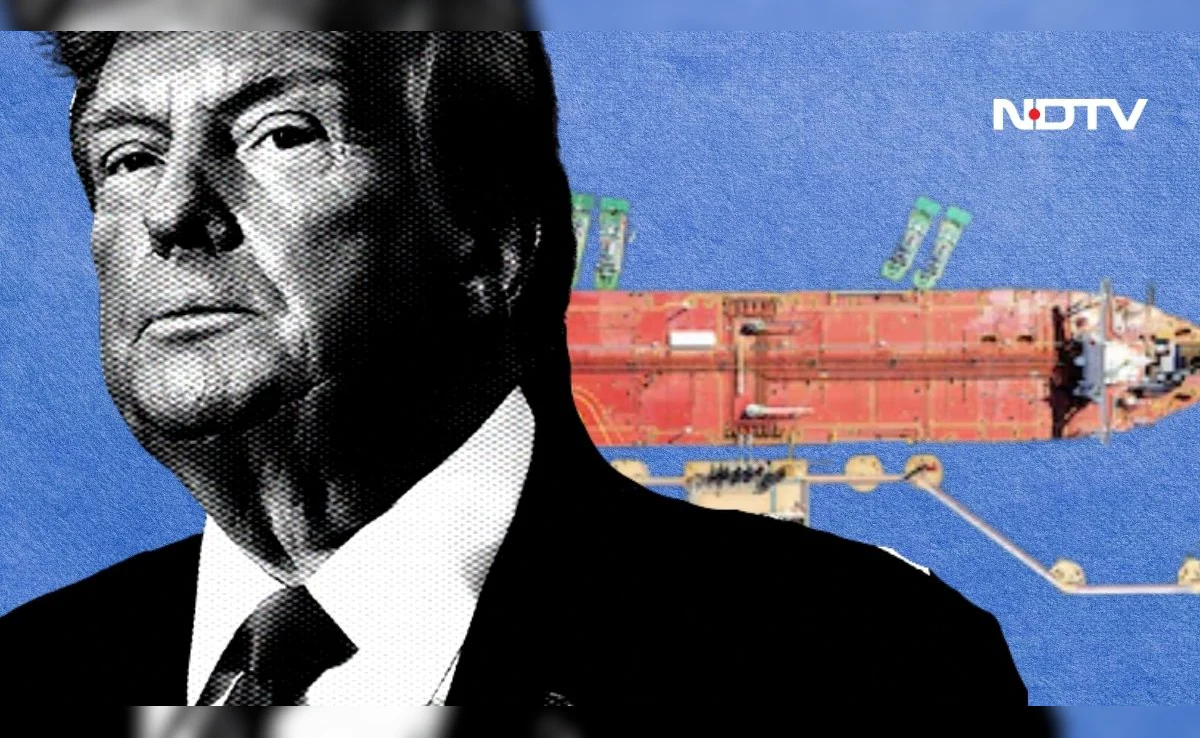
Strategic Implications of the Strait of Hormuz Amid Ongoing Iran-U.S. Tensions
Background of Tensions
On February 28, the United States and Israel conducted pre-emptive strikes against Iran, citing threats related to Iran’s nuclear program and missile capabilities. Among these considerations, the strategic importance of the Strait of Hormuz was overlooked. This vital maritime corridor connects the Persian Gulf to the Arabian Sea and Indian Ocean, becoming a focal point in the ensuing conflict.
Following the initial military actions, Iran enforced a blockade on the Strait of Hormuz, asserting that it would remain open provided vessels adhered to its “technical instructions.” Nevertheless, incidents involving attacks on tankers led to an effective closure of the passage, which was selectively accessible for certain vessels that agreed to terms set by Iran. Reports indicated that Iran had also laid mines in the seaway and altered the designated shipping channels near its Larak Island.
Military Movements and Ceasefire Announcement
As tensions escalated, the U.S. Navy faced the threat of Iranian missiles and drones and consequently repositioned its naval forces further into the Sea of Oman. On April 8, 2026, President Trump issued a warning that the U.S. and Israel would take military action against Iran if free passage through the Strait was not restored by the appointed time.
In a dramatic turn of events, Israel targeted and damaged the Yahya Abad railway bridge in Iran on April 7, coinciding with U.S. airstrikes on vital oil infrastructure at Kharg Island. Just before the deadline, President Trump declared a 15-day ceasefire, following discussions with Pakistani officials, contingent on Iran’s commitment to fully open the Strait of Hormuz.
The ceasefire facilitated face-to-face negotiations for the first time since the 1979 Iranian Revolution, with U.S. Vice President JD Vance and Iran’s Foreign Minister Abbas Araghchi leading the discussions. However, after 21 hours of deliberation, no significant progress was achieved, prompting President Trump to announce a U.S. naval blockade, countering Iran’s earlier technical blockade.
The Geography and Strategic Importance of the Strait
The Strait of Hormuz varies in width from 30-50 kilometers, with its narrowest point measuring approximately 21 kilometers. This critical waterway serves as a transit route for about 20% of global crude oil and liquefied petroleum gas, with approximately 20 million barrels passing through daily as per estimates from the U.S. Energy Information Administration.
The Strait features two designated channels deep enough for Very Large Crude Carriers (VLCCs) to navigate. Given its significance in global energy trade, the closure of this strait raises the prospect of military confrontation as Iran and the U.S. maintain opposing blockades.
Military Capabilities and Potential Outcomes
Iran’s strategic capabilities place the U.S. Navy at a disadvantage in the Strait, as it can surveil and interdict maritime traffic using artillery, short-range missiles, drones, and fast-attack boats. Furthermore, Iran’s underwater assets, like shallow-water submarines, can pose a significant threat to both commercial and military vessels in the vicinity.
The three islands of Qeshm, Hormuz, and Larak provide Iran with additional strategic advantages in controlling access to the Strait. These islands serve as operational bases for Iran’s defense efforts and bolster its military presence in the region.
Conversely, the U.S. is challenged by the requirement of substantial naval force to enforce a blockade and ensure the safety of commercial shipping in the Strait. With no formal support from its allies, including European and Gulf nations, the U.S. faces significant obstacles in its military strategy.
Implications for Regional Dynamics
The dual blockade of the Strait of Hormuz intensifies the conflict, shifting focus from land-based issues in Iran to maritime disputes. The emerging scenario raises critical questions about the ability of either side to assert dominance over this crucial chokepoint. A pivotal factor includes the presence of Chinese shipping interests, raising concerns regarding potential escalation involving China.
As diplomatic stalemate persists, the strategic significance of the Strait of Hormuz has become increasingly prominent, underlining the need for resolution in order to influence the trajectory of the ongoing conflict.