

Potential Outcomes of the US-Iran Ceasefire
Ceasefire Overview
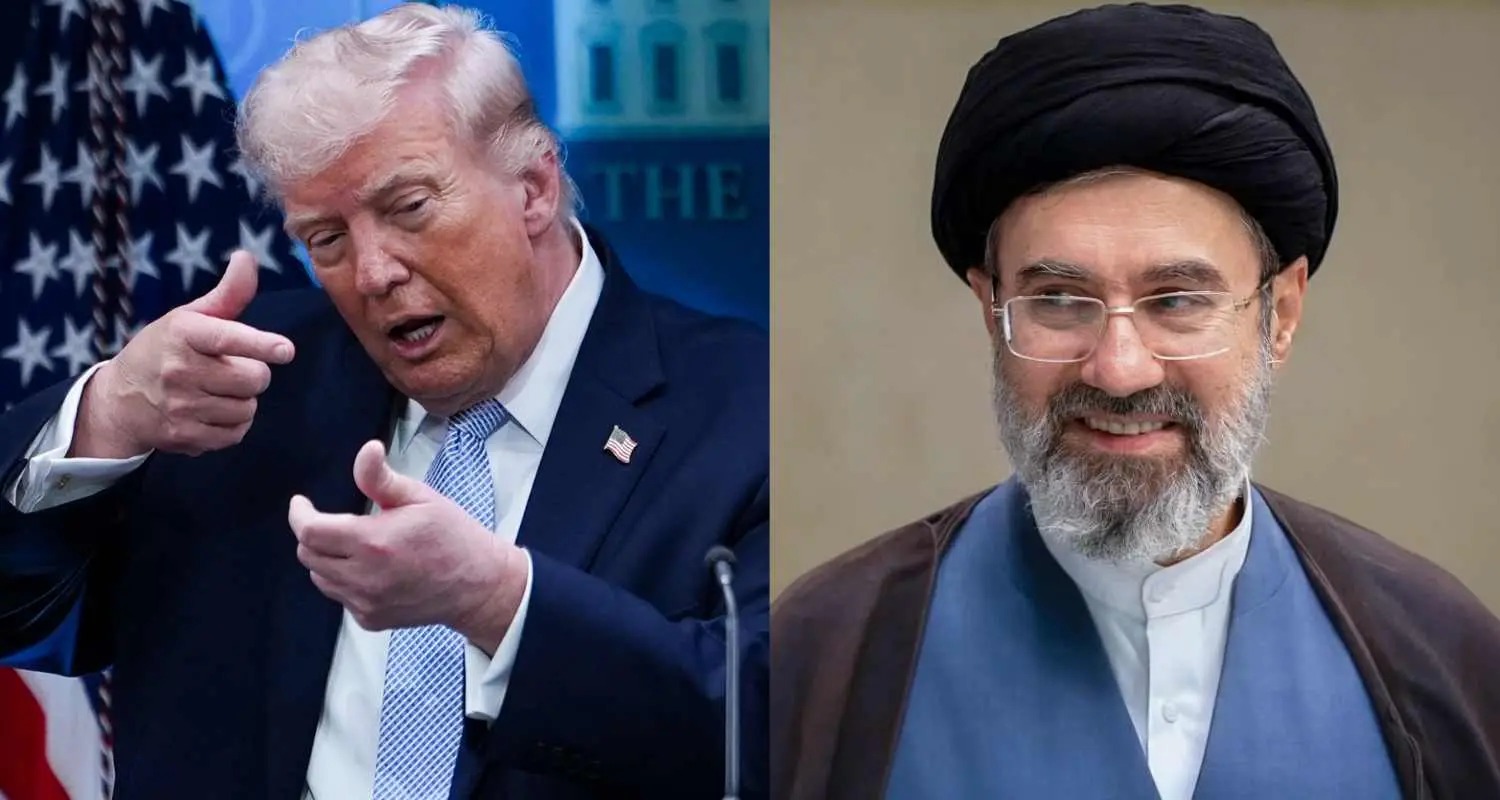
The recent two-week ceasefire between the United States and Iran, announced on April 7, 2026, has temporarily halted escalating tensions between the two nations. US President Donald Trump characterized the ceasefire as a success, claiming the US had achieved its military objectives and was nearing a longer-term agreement. Iran agreed to the ceasefire with the stipulation that naval traffic through the Strait of Hormuz would be monitored by its military forces. While both parties may view this as an opportunity for negotiation, the ongoing conflicts suggest that this ceasefire functions more as a pause rather than a permanent resolution.
Iran’s Objectives
Iran’s acceptance of the ceasefire arises from its need for a respite after experiencing a series of missile strikes and high-alert military readiness. The interim period provides Iran an opportunity to recuperate both militarily and politically under its current leadership. The decision to enter talks, despite the temporary nature of the ceasefire, supports the notion that Iran is looking to stabilize its military strength and boost public morale, irrespective of the eventual negotiations’ outcomes.
Israeli Actions
Following the announcement of the ceasefire, Israeli airstrikes aimed at Iranian targets reportedly continued, as confirmed by Israeli military officials. The persistence of these strikes poses a threat to the ongoing US-Iran dialogue, echoing past instances where Israeli military actions disrupted negotiations. The notion that a US agreement would guarantee Israeli compliance seems precarious, particularly given the continued Israeli operations against Iran.
Strait of Hormuz Conditions
The ceasefire hinges on Iran’s reopening of the Strait of Hormuz, a pivotal aspect that influenced the US’s acceptance of negotiations. While Iran has agreed to permit passage, it maintains control by asserting that movement through the strait will be supervised by its armed forces. A toll system for vessels transiting the strait has already been legislated by Iran’s parliament, and the Islamic Revolutionary Guard Corps (IRGC) has been imposing fees since mid-March. The ceasefire does not resolve these conditions and could provoke discontent among other Gulf nations, such as the UAE, who oppose Iran’s control over the strategic waterway.
Regional Reactions
The proposal to split transit fees between Iran and Oman could elicit criticism from other Gulf states, including Saudi Arabia and Qatar. The UAE has expressed its position that the strait should not be monopolized by a single country, emphasizing the need for unimpeded navigation as part of any final agreement. The broader implications of control over the Strait of Hormuz go beyond the immediate conflict, as access and control over sea lanes are crucial for US military strategy in the region.
The Gaza-Lebanon Situation
Shortly after the ceasefire announcement, Israeli Prime Minister Benjamin Netanyahu underscored that the agreement did not extend to Lebanon. Israel’s operations against Hamas continue, despite a previous ceasefire established in early 2025. Efforts by Pakistani mediators to ensure comprehensive adherence to the ceasefire were explicitly rejected by Netanyahu and US Vice-President JD Vance. Israel’s ongoing conflict with Hezbollah complicates the situation, indicating that fighting in southern Lebanon will likely persist independently of any agreements formed between Washington and Tehran.
Possible Scenarios Ahead
Three potential trajectories may emerge from the ceasefire. The first outcome could see a sustained ceasefire that facilitates in-depth discussions on issues including the Strait of Hormuz, nuclear programs, and sanctions against Iran, requiring the cooperation of the US, Iran, Israel, and Gulf Cooperation Council countries. The second scenario might involve Israel and the US leveraging the ceasefire as a pretext for launching new military offensives, although recent assertions of achieving military objectives reduce the likelihood of this outcome. The final scenario suggests Israel and Iran could continue military engagements while the US steps back, providing indirect support to Israel. This would align with Israel’s historical precedent concerning ceasefires, as well as Iran’s ongoing interest in negotiations despite continued hostilities.
While the ceasefire marks a significant development by creating a temporary relief in hostilities, the potential for a more permanent resolution hinges on complex negotiations surrounding regional stability and Iran’s military posture. The forthcoming weeks are expected to shed light on the evolving positions of the involved parties.
Follow US
https://www.facebook.com/charchaexpress
https://www.youtube.com/@charcha-express
https://www.instagram.com/charcha.express/
Contents
Ceasefire OverviewThe recent two-week ceasefire between the United States and Iran, announced on April 7, 2026, has temporarily halted escalating tensions between the two nations. US President Donald Trump characterized the ceasefire as a success, claiming the US had achieved its military objectives and was nearing a longer-term agreement. Iran agreed to the ceasefire with the stipulation that naval traffic through the Strait of Hormuz would be monitored by its military forces. While both parties may view this as an opportunity for negotiation, the ongoing conflicts suggest that this ceasefire functions more as a pause rather than a permanent resolution.Iran’s ObjectivesIran’s acceptance of the ceasefire arises from its need for a respite after experiencing a series of missile strikes and high-alert military readiness. The interim period provides Iran an opportunity to recuperate both militarily and politically under its current leadership. The decision to enter talks, despite the temporary nature of the ceasefire, supports the notion that Iran is looking to stabilize its military strength and boost public morale, irrespective of the eventual negotiations’ outcomes.Israeli ActionsFollowing the announcement of the ceasefire, Israeli airstrikes aimed at Iranian targets reportedly continued, as confirmed by Israeli military officials. The persistence of these strikes poses a threat to the ongoing US-Iran dialogue, echoing past instances where Israeli military actions disrupted negotiations. The notion that a US agreement would guarantee Israeli compliance seems precarious, particularly given the continued Israeli operations against Iran.Strait of Hormuz ConditionsThe ceasefire hinges on Iran’s reopening of the Strait of Hormuz, a pivotal aspect that influenced the US’s acceptance of negotiations. While Iran has agreed to permit passage, it maintains control by asserting that movement through the strait will be supervised by its armed forces. A toll system for vessels transiting the strait has already been legislated by Iran’s parliament, and the Islamic Revolutionary Guard Corps (IRGC) has been imposing fees since mid-March. The ceasefire does not resolve these conditions and could provoke discontent among other Gulf nations, such as the UAE, who oppose Iran’s control over the strategic waterway.Regional ReactionsThe proposal to split transit fees between Iran and Oman could elicit criticism from other Gulf states, including Saudi Arabia and Qatar. The UAE has expressed its position that the strait should not be monopolized by a single country, emphasizing the need for unimpeded navigation as part of any final agreement. The broader implications of control over the Strait of Hormuz go beyond the immediate conflict, as access and control over sea lanes are crucial for US military strategy in the region.The Gaza-Lebanon SituationShortly after the ceasefire announcement, Israeli Prime Minister Benjamin Netanyahu underscored that the agreement did not extend to Lebanon. Israel’s operations against Hamas continue, despite a previous ceasefire established in early 2025. Efforts by Pakistani mediators to ensure comprehensive adherence to the ceasefire were explicitly rejected by Netanyahu and US Vice-President JD Vance. Israel’s ongoing conflict with Hezbollah complicates the situation, indicating that fighting in southern Lebanon will likely persist independently of any agreements formed between Washington and Tehran.Possible Scenarios AheadThree potential trajectories may emerge from the ceasefire. The first outcome could see a sustained ceasefire that facilitates in-depth discussions on issues including the Strait of Hormuz, nuclear programs, and sanctions against Iran, requiring the cooperation of the US, Iran, Israel, and Gulf Cooperation Council countries. The second scenario might involve Israel and the US leveraging the ceasefire as a pretext for launching new military offensives, although recent assertions of achieving military objectives reduce the likelihood of this outcome. The final scenario suggests Israel and Iran could continue military engagements while the US steps back, providing indirect support to Israel. This would align with Israel’s historical precedent concerning ceasefires, as well as Iran’s ongoing interest in negotiations despite continued hostilities.While the ceasefire marks a significant development by creating a temporary relief in hostilities, the potential for a more permanent resolution hinges on complex negotiations surrounding regional stability and Iran’s military posture. The forthcoming weeks are expected to shed light on the evolving positions of the involved parties.