

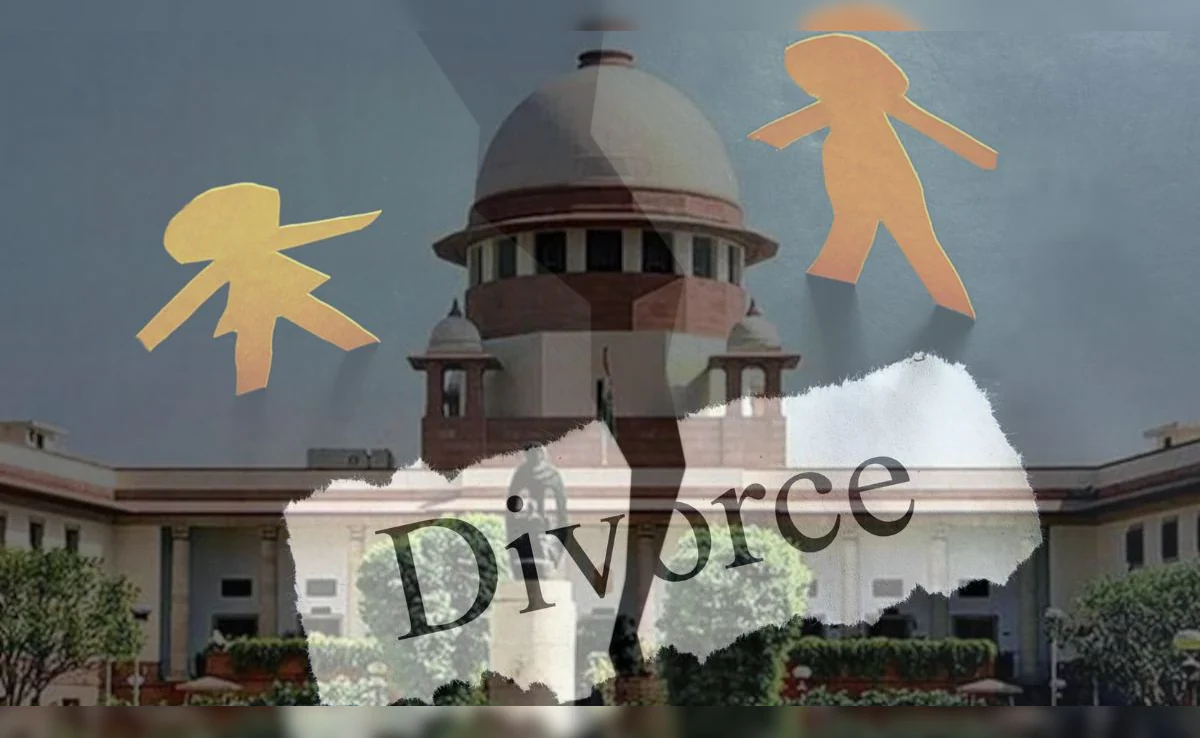
Supreme Court Resolves Decade-Long Divorce Case with Financial Settlements
Long-Standing Marital Dispute
The Supreme Court of India has recently intervened in a protracted marital conflict, labeling it a “Mahabharata-like” struggle. The court has exercised its special powers to dissolve the marriage of a couple who have been embroiled in a legal battle for ten years. In its ruling, the court directed the husband to make a one-time payment of ₹5 crore to his estranged wife, who currently has custody of their two minor sons.
The court emphasized that the “marriage is dead for all practical purposes” and deemed the case suitable for judicial intervention under Article 142 of the Constitution to provide closure to the lengthy dispute.
Background of the Case
The couple was married in 2010 and welcomed two sons shortly thereafter. However, their relationship soured, leading to their separation in 2016. Since then, they have engaged in numerous legal proceedings, with the wife alleging that the husband has neglected his responsibilities to provide financial support for her and their children.
The wife has been residing in a 3BHK flat in Lokhandwala, Mumbai, owned by her father-in-law, while the husband has sought to have her vacate the property. The husband’s actions have included multiple legal actions against not only his wife but also her family members and legal representatives.
Allegations from the Wife
The wife’s attorney presented claims that the husband, a practicing advocate, has exploited his legal knowledge to initiate over 80 lawsuits against her, her family, and their legal counsel. It was highlighted that the husband has disregarded Family Court and High Court orders related to maintenance payments.
The court noted that despite holding director positions in multiple companies, the husband had resigned from these roles to avoid fulfilling his financial obligations. The wife, currently employed in Kolkata, plans to move back to Mumbai to support her elder son as he progresses to Class X, requiring stable and adequate financial backing from the husband.
Husband’s Defense
The husband represented himself in court, highlighting the criminal cases filed against him by his wife, including allegations under the Protection of Women from Domestic Violence Act and Section 498A of the Indian Penal Code, which led to his brief incarceration. He described the experience as traumatic, resulting in significant mental distress and damage to his professional reputation.
The husband further claimed that his wife has systematically alienated him from their children and asserted that although she is a qualified professional with a relatively high income, she has portrayed herself as financially destitute to justify her maintenance claims. He argued that he has already transferred over ₹45 lakhs to his wife and that his current financial predicament is due to her unfounded litigations against him.
Supreme Court’s Verdict
The court strongly criticized the husband for complicating the legal process with numerous applications and motions, suggesting that many appeared to be deliberately vexatious and retaliatory. It indicated that the wife’s challenges in maintaining a marital relationship with him were understandable given the circumstances.
While acknowledging the wife’s qualifications, the court maintained that this should not exempt the husband from his legal, paternal, and moral responsibilities. It determined that the husband’s claim of financial incapacity was merely a tactic to evade his obligations.
In its final decree, the court dissolved the marriage and ordered the closure of all ongoing civil and criminal proceedings initiated by either party against each other or their relatives. The wife was granted full custody of the children, while the husband was afforded visitation rights. He was instructed to pay ₹5 crore to the wife within one year and to provide an undertaking that he would refrain from initiating further legal actions against her or her legal representatives. Furthermore, the wife was to submit an undertaking to vacate the flat within two weeks after receiving the financial settlement.
Follow US
https://www.facebook.com/charchaexpress
https://www.youtube.com/@charcha-express
https://www.instagram.com/charcha.express/
Contents
Long-Standing Marital DisputeThe Supreme Court of India has recently intervened in a protracted marital conflict, labeling it a “Mahabharata-like” struggle. The court has exercised its special powers to dissolve the marriage of a couple who have been embroiled in a legal battle for ten years. In its ruling, the court directed the husband to make a one-time payment of ₹5 crore to his estranged wife, who currently has custody of their two minor sons.The court emphasized that the “marriage is dead for all practical purposes” and deemed the case suitable for judicial intervention under Article 142 of the Constitution to provide closure to the lengthy dispute.Background of the CaseThe couple was married in 2010 and welcomed two sons shortly thereafter. However, their relationship soured, leading to their separation in 2016. Since then, they have engaged in numerous legal proceedings, with the wife alleging that the husband has neglected his responsibilities to provide financial support for her and their children.The wife has been residing in a 3BHK flat in Lokhandwala, Mumbai, owned by her father-in-law, while the husband has sought to have her vacate the property. The husband’s actions have included multiple legal actions against not only his wife but also her family members and legal representatives.Allegations from the WifeThe wife’s attorney presented claims that the husband, a practicing advocate, has exploited his legal knowledge to initiate over 80 lawsuits against her, her family, and their legal counsel. It was highlighted that the husband has disregarded Family Court and High Court orders related to maintenance payments.The court noted that despite holding director positions in multiple companies, the husband had resigned from these roles to avoid fulfilling his financial obligations. The wife, currently employed in Kolkata, plans to move back to Mumbai to support her elder son as he progresses to Class X, requiring stable and adequate financial backing from the husband.Husband’s DefenseThe husband represented himself in court, highlighting the criminal cases filed against him by his wife, including allegations under the Protection of Women from Domestic Violence Act and Section 498A of the Indian Penal Code, which led to his brief incarceration. He described the experience as traumatic, resulting in significant mental distress and damage to his professional reputation.The husband further claimed that his wife has systematically alienated him from their children and asserted that although she is a qualified professional with a relatively high income, she has portrayed herself as financially destitute to justify her maintenance claims. He argued that he has already transferred over ₹45 lakhs to his wife and that his current financial predicament is due to her unfounded litigations against him.Supreme Court’s VerdictThe court strongly criticized the husband for complicating the legal process with numerous applications and motions, suggesting that many appeared to be deliberately vexatious and retaliatory. It indicated that the wife’s challenges in maintaining a marital relationship with him were understandable given the circumstances.While acknowledging the wife’s qualifications, the court maintained that this should not exempt the husband from his legal, paternal, and moral responsibilities. It determined that the husband’s claim of financial incapacity was merely a tactic to evade his obligations.In its final decree, the court dissolved the marriage and ordered the closure of all ongoing civil and criminal proceedings initiated by either party against each other or their relatives. The wife was granted full custody of the children, while the husband was afforded visitation rights. He was instructed to pay ₹5 crore to the wife within one year and to provide an undertaking that he would refrain from initiating further legal actions against her or her legal representatives. Furthermore, the wife was to submit an undertaking to vacate the flat within two weeks after receiving the financial settlement.