
PM Modi Highlights Fish Production in Bengal Amid Political Tensions
Modi Targets TMC’s Fisheries Record
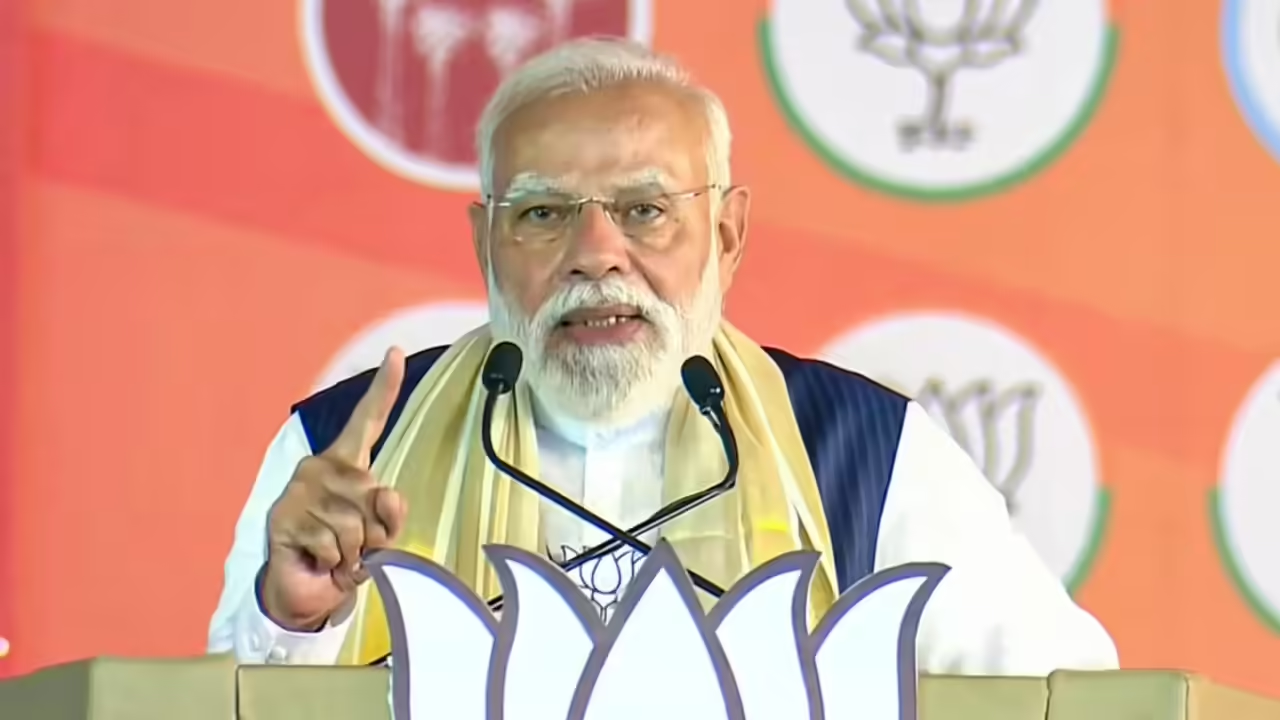
Kolkata: During a rally in Haldia on Thursday, Prime Minister Narendra Modi underscored the declining fish production in West Bengal, attributing the issue to the Trinamool Congress (TMC) government’s inability to address the needs of the state. His remarks aimed to counter an ongoing narrative from TMC that seeks to portray the Bharatiya Janata Party (BJP) as “anti-non-vegetarian.” Modi emphasized the significance of fish in Bengali culture, stating that the TMC has not provided sufficient fish to meet the population’s demands over the past 15 years.
“In 15 years, TMC couldn’t even give you fish. We created a separate ministry for fisheries,” Modi stated during the rally. He pointed out that neighboring states such as Bihar and Assam, which once relied on fish imports, have now achieved self-sufficiency in fish production. The Prime Minister expressed confidence that West Bengal could also become self-reliant if the BJP were to be elected.
Mamata Banerjee’s Response
In response to Modi’s comments on fish production, Chief Minister Mamata Banerjee asserted that reliance on fish imports from states like Andhra Pradesh and Bihar has diminished. She criticized Modi for questioning West Bengal’s fish production, saying, “You don’t let people speak in Bengali. And then you come here to give us a lesson in fish production.” Banerjee emphasized the importance of individual dietary choices, indicating that not everyone should be expected to consume non-vegetarian food.
Banerjee also defended her government’s record, challenging Modi to address issues regarding Bengalis living in other states who face restrictions on consuming fish or meat. “First, answer why Bengalis in other states are stopped from eating fish or meat,” she said, reinforcing her stance on dietary freedom.
Political Strategy Focus
Following his comments on fish production, Modi shifted the narrative to the broader implications of TMC’s governance, claiming that their approach is rooted in “fear” while stressing that the BJP focuses on building “trust.” He characterized West Bengal as having become a “factory of infiltrators and bombs” under TMC’s rule, citing what he described as a lack of industrialization and job opportunities.
He blamed the alleged “reign of fear and intimidation” in West Bengal for driving away industries and investment. Modi mentioned that while India is increasingly exporting domestically manufactured weapons, TMC has fostered local industries centered around crude bomb production. Additionally, he accused the governing party of facilitating cattle smuggling, undermining law and order in the state.
Modi concluded his remarks by accusing the TMC government of obstructing central projects worth Rs 75,000 crore out of spite, further emphasizing the need for a change in governance. The political rhetoric surrounding fish production and economic development continues to gain traction as both leaders campaign ahead of the upcoming elections.
Follow US
https://www.facebook.com/charchaexpress
https://www.youtube.com/@charcha-express
https://www.instagram.com/charcha.express/
Contents
Modi Targets TMC’s Fisheries RecordKolkata: During a rally in Haldia on Thursday, Prime Minister Narendra Modi underscored the declining fish production in West Bengal, attributing the issue to the Trinamool Congress (TMC) government’s inability to address the needs of the state. His remarks aimed to counter an ongoing narrative from TMC that seeks to portray the Bharatiya Janata Party (BJP) as “anti-non-vegetarian.” Modi emphasized the significance of fish in Bengali culture, stating that the TMC has not provided sufficient fish to meet the population’s demands over the past 15 years.“In 15 years, TMC couldn’t even give you fish. We created a separate ministry for fisheries,” Modi stated during the rally. He pointed out that neighboring states such as Bihar and Assam, which once relied on fish imports, have now achieved self-sufficiency in fish production. The Prime Minister expressed confidence that West Bengal could also become self-reliant if the BJP were to be elected.Mamata Banerjee’s ResponseIn response to Modi’s comments on fish production, Chief Minister Mamata Banerjee asserted that reliance on fish imports from states like Andhra Pradesh and Bihar has diminished. She criticized Modi for questioning West Bengal’s fish production, saying, “You don’t let people speak in Bengali. And then you come here to give us a lesson in fish production.” Banerjee emphasized the importance of individual dietary choices, indicating that not everyone should be expected to consume non-vegetarian food.Banerjee also defended her government’s record, challenging Modi to address issues regarding Bengalis living in other states who face restrictions on consuming fish or meat. “First, answer why Bengalis in other states are stopped from eating fish or meat,” she said, reinforcing her stance on dietary freedom.Political Strategy FocusFollowing his comments on fish production, Modi shifted the narrative to the broader implications of TMC’s governance, claiming that their approach is rooted in “fear” while stressing that the BJP focuses on building “trust.” He characterized West Bengal as having become a “factory of infiltrators and bombs” under TMC’s rule, citing what he described as a lack of industrialization and job opportunities.He blamed the alleged “reign of fear and intimidation” in West Bengal for driving away industries and investment. Modi mentioned that while India is increasingly exporting domestically manufactured weapons, TMC has fostered local industries centered around crude bomb production. Additionally, he accused the governing party of facilitating cattle smuggling, undermining law and order in the state.Modi concluded his remarks by accusing the TMC government of obstructing central projects worth Rs 75,000 crore out of spite, further emphasizing the need for a change in governance. The political rhetoric surrounding fish production and economic development continues to gain traction as both leaders campaign ahead of the upcoming elections.