
BSF Facilitates Voting for Families Near Bangladesh Border in Assam
Support for Remote Villagers
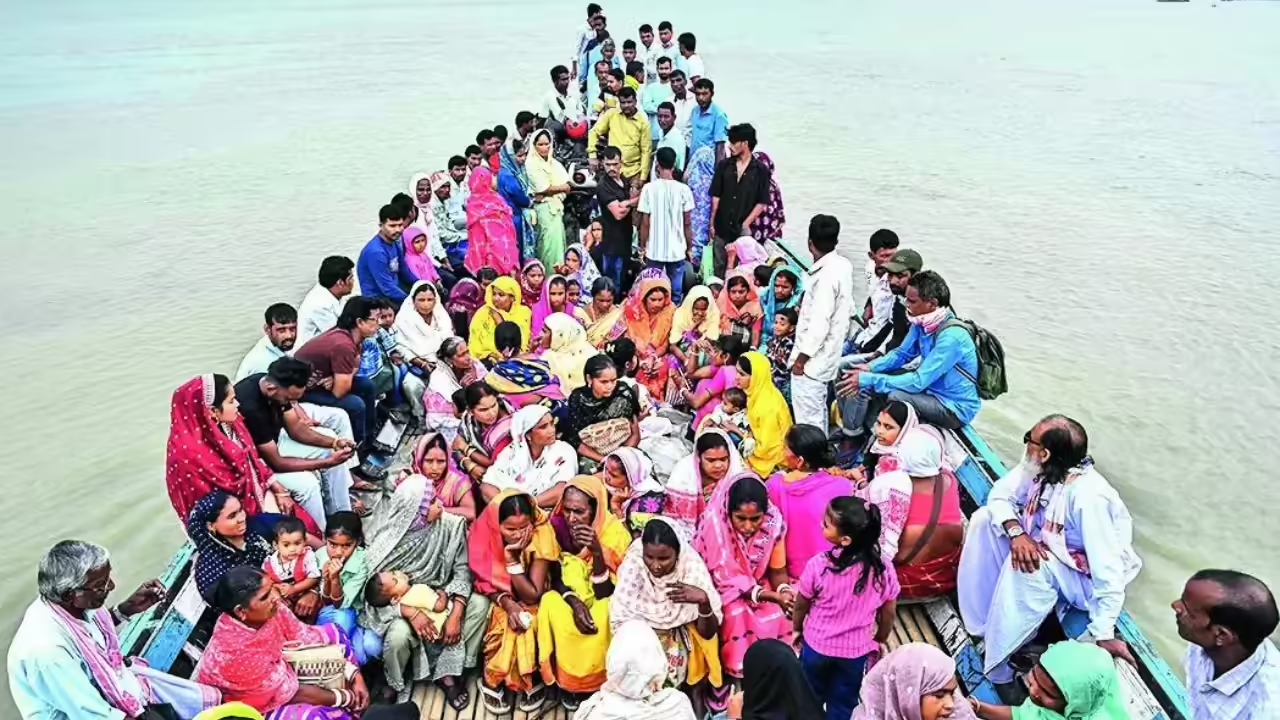
In a significant initiative, personnel from the Border Security Force (BSF) mobilized vehicles and opened border gates early on Thursday to assist around 70 families residing beyond the barbed-wire fence along the India-Bangladesh border in Assam’s Sribhumi district. This effort enabled these families to reach polling stations and exercise their right to vote, marking a strong assertion of their identity in the Karimganj South assembly constituency.
The voters belong to five villages—Gabindapur, Uttar Lafasail, Tesua, Deutoli, and Maishashan— which are situated outside the fencing and remain physically separated from the Indian mainland. A local voter expressed gratitude for the convenience provided by the BSF, stating, “BSF opened the gates early and helped us reach the polling booths in their own vehicles. It was a huge convenience.” Following the voting process, BSF members were also responsible for returning the villagers to their homes.
Recognition of Indian Identity
The voters conveyed a sense of national pride regarding their participation in the electoral process. One voter remarked, “We are sincere about voting because it reassures us that we are Indians, and not just residents of a forgotten strip of land.” This perspective underlines the importance of voting for the residents living in these isolated areas.
Sources indicate that the BSF had proactively facilitated election activities leading up to the polling day by managing access at the border gates, allowing candidates and their supporters to reach these remote communities near the Zero Line. The villages remain outside the fencing due to existing India-Bangladesh protocols, which restrict permanent construction or fencing within 150 yards of the actual border.
Movement Restrictions and Emergency Assistance
Residents of these border villages live under stringent movement restrictions, with border gates generally closed from 7 PM to 6 AM. A BSF official noted, “In case of emergencies, we are always there to help and transport them to the nearby town, even after stipulated hours,” reflecting the BSF’s commitment to assisting the local population.
Government Rehabilitation Efforts
The government is actively working on plans to rehabilitate the villages located beyond the fence in Sribhumi district, which shares a 92-kilometer border with Bangladesh. In the neighboring Cachar district, which has a 32-kilometer border with the same country, all villages that were once outside the fencing have been successfully relocated within the barbed-wire perimeter over recent years. Current efforts aim to extend similar rehabilitation for families in Sribhumi, ensuring that these communities are integrated more effectively into the national framework.
Follow US
https://www.facebook.com/charchaexpress
https://www.youtube.com/@charcha-express
https://www.instagram.com/charcha.express/
Contents
Support for Remote VillagersIn a significant initiative, personnel from the Border Security Force (BSF) mobilized vehicles and opened border gates early on Thursday to assist around 70 families residing beyond the barbed-wire fence along the India-Bangladesh border in Assam’s Sribhumi district. This effort enabled these families to reach polling stations and exercise their right to vote, marking a strong assertion of their identity in the Karimganj South assembly constituency.The voters belong to five villages—Gabindapur, Uttar Lafasail, Tesua, Deutoli, and Maishashan— which are situated outside the fencing and remain physically separated from the Indian mainland. A local voter expressed gratitude for the convenience provided by the BSF, stating, “BSF opened the gates early and helped us reach the polling booths in their own vehicles. It was a huge convenience.” Following the voting process, BSF members were also responsible for returning the villagers to their homes.Recognition of Indian IdentityThe voters conveyed a sense of national pride regarding their participation in the electoral process. One voter remarked, “We are sincere about voting because it reassures us that we are Indians, and not just residents of a forgotten strip of land.” This perspective underlines the importance of voting for the residents living in these isolated areas.Sources indicate that the BSF had proactively facilitated election activities leading up to the polling day by managing access at the border gates, allowing candidates and their supporters to reach these remote communities near the Zero Line. The villages remain outside the fencing due to existing India-Bangladesh protocols, which restrict permanent construction or fencing within 150 yards of the actual border.Movement Restrictions and Emergency AssistanceResidents of these border villages live under stringent movement restrictions, with border gates generally closed from 7 PM to 6 AM. A BSF official noted, “In case of emergencies, we are always there to help and transport them to the nearby town, even after stipulated hours,” reflecting the BSF’s commitment to assisting the local population.Government Rehabilitation EffortsThe government is actively working on plans to rehabilitate the villages located beyond the fence in Sribhumi district, which shares a 92-kilometer border with Bangladesh. In the neighboring Cachar district, which has a 32-kilometer border with the same country, all villages that were once outside the fencing have been successfully relocated within the barbed-wire perimeter over recent years. Current efforts aim to extend similar rehabilitation for families in Sribhumi, ensuring that these communities are integrated more effectively into the national framework.