Kerala Assembly Elections: State Enters Silence Period, Voting Scheduled for April 9
Mandatory Silence Period Begins
On Wednesday, Kerala initiated the mandatory silence period in preparation for the assembly elections set for April 9. Campaigning efforts by candidates and party workers have shifted to final outreach activities, including door-to-door visits and personal interactions as public campaigning concluded.
High-energy campaigning wrapped up on Tuesday evening after nearly a month of intense election activities. In this electoral contest, approximately 2.71 crore voters are poised to decide the fate of 883 candidates vying for positions in the 140-member assembly.
Election Commission Directives
To maintain a fair electoral environment, the Election Commission has implemented strict regulations during the silence period. All public campaigning, including meetings, rallies, media interactions, and election-related interviews, has been prohibited. Additionally, political leaders and star campaigners have been instructed not to address the media regarding the elections.
The main electoral contest involves three primary alliances: the CPI(M)-led Left Democratic Front (LDF), the Congress-led United Democratic Front (UDF), and the BJP-led National Democratic Alliance (NDA).
Polling Arrangements and Security Measures
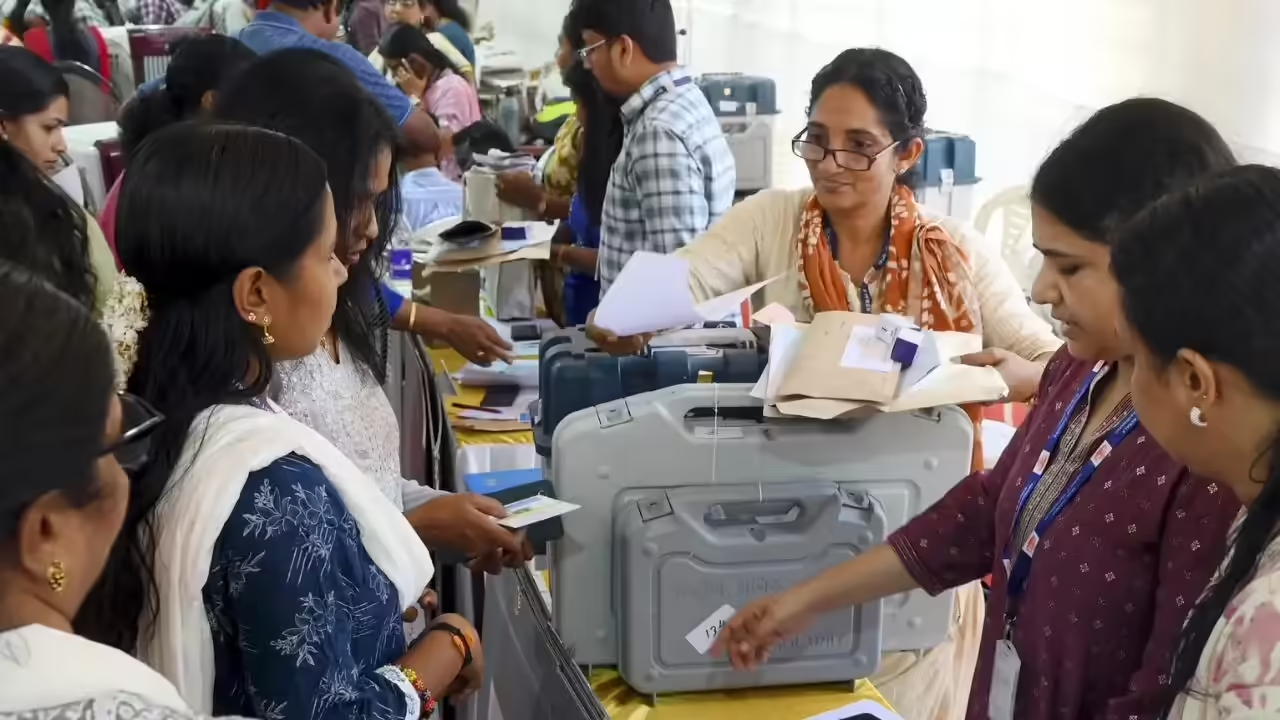
Officials have confirmed that comprehensive arrangements are in place to ensure the smooth execution of the polling process. A total of 30,495 polling stations have been established across the state, with 24 auxiliary booths set up following the Special Intensive Revision of electoral rolls. These additional booths are located in the districts of Kasaragod, Kannur, Palakkad, Malappuram, and Ernakulam.
In light of potential security concerns, authorities have heightened security measures, especially in sensitive constituencies. Prohibitory orders have been enacted to prevent any disturbances. Additionally, around 2,000 individuals identified as potential troublemakers have been detained, and about 11,000 non-bailable warrants have been executed. The authorities have also removed over 3,400 social media posts for alleged violations of electoral norms.
Electorate Composition and Special Arrangements
The electorate includes 1.32 crore men, 1.39 crore women, and 273 transgender individuals, alongside over 2.42 lakh overseas voters eligible to participate in the elections. Special arrangements have been made, with 352 polling stations managed entirely by women and 37 polling stations overseen by persons with disabilities.
Authorities have also set up 140 distribution and collection centers, with counting of votes scheduled to occur in 140 strongrooms located across 43 different sites.
Final Day of Campaigning
The final day of campaigning observed on Tuesday was marked by significant political mobilization throughout the state. Town centers were vibrant with roadshows, rallies, and processions, characterized by party flags, rhythmic drum beats, and enthusiastic workers chanting slogans.
In addition to traditional canvassing methods, political parties effectively utilized television, print media, and social media platforms to engage voters leading up to the silence phase.
Follow US
https://www.facebook.com/charchaexpress
https://www.youtube.com/@charcha-express
https://www.instagram.com/charcha.express/
Contents
Mandatory Silence Period BeginsOn Wednesday, Kerala initiated the mandatory silence period in preparation for the assembly elections set for April 9. Campaigning efforts by candidates and party workers have shifted to final outreach activities, including door-to-door visits and personal interactions as public campaigning concluded.High-energy campaigning wrapped up on Tuesday evening after nearly a month of intense election activities. In this electoral contest, approximately 2.71 crore voters are poised to decide the fate of 883 candidates vying for positions in the 140-member assembly.Election Commission DirectivesTo maintain a fair electoral environment, the Election Commission has implemented strict regulations during the silence period. All public campaigning, including meetings, rallies, media interactions, and election-related interviews, has been prohibited. Additionally, political leaders and star campaigners have been instructed not to address the media regarding the elections.The main electoral contest involves three primary alliances: the CPI(M)-led Left Democratic Front (LDF), the Congress-led United Democratic Front (UDF), and the BJP-led National Democratic Alliance (NDA).Polling Arrangements and Security MeasuresOfficials have confirmed that comprehensive arrangements are in place to ensure the smooth execution of the polling process. A total of 30,495 polling stations have been established across the state, with 24 auxiliary booths set up following the Special Intensive Revision of electoral rolls. These additional booths are located in the districts of Kasaragod, Kannur, Palakkad, Malappuram, and Ernakulam.In light of potential security concerns, authorities have heightened security measures, especially in sensitive constituencies. Prohibitory orders have been enacted to prevent any disturbances. Additionally, around 2,000 individuals identified as potential troublemakers have been detained, and about 11,000 non-bailable warrants have been executed. The authorities have also removed over 3,400 social media posts for alleged violations of electoral norms.Electorate Composition and Special ArrangementsThe electorate includes 1.32 crore men, 1.39 crore women, and 273 transgender individuals, alongside over 2.42 lakh overseas voters eligible to participate in the elections. Special arrangements have been made, with 352 polling stations managed entirely by women and 37 polling stations overseen by persons with disabilities.Authorities have also set up 140 distribution and collection centers, with counting of votes scheduled to occur in 140 strongrooms located across 43 different sites.Final Day of CampaigningThe final day of campaigning observed on Tuesday was marked by significant political mobilization throughout the state. Town centers were vibrant with roadshows, rallies, and processions, characterized by party flags, rhythmic drum beats, and enthusiastic workers chanting slogans.In addition to traditional canvassing methods, political parties effectively utilized television, print media, and social media platforms to engage voters leading up to the silence phase.