
Electoral Roll Revision Reduces Voter Numbers by 5.58 Crore Across Multiple States
Overview of the Special Intensive Revision
The Election Commission (EC) has reported that its Special Intensive Revision (SIR) of electoral rolls, conducted in 10 states and three Union Territories (UTs), has resulted in a reduction of the electorate by approximately 5.58 crore, accounting for a decrease of 9.55%.
The second phase of the SIR, which began in October 2025 and concluded recently, saw the number of electors decrease by 5.37 crore, representing a 10.55% drop among the participating states and UTs. With the initial phase in Bihar, the total electorate fell from 58.87 crore to 53.28 crore.
Final Figures from the Revision
As of the recent completion of the SIR in Uttar Pradesh on April 10, 2026, the state’s electorate decreased from 15.44 crore to 13.39 crore, showing a significant reduction of 13.23%. While the electoral rolls for other regions were published in February, Uttar Pradesh was granted an extension for finalization.
In total, the electorate across the 12 states and UTs involved in the revision (including Rajasthan, Goa, Lakshadweep, Puducherry, Gujarat, Chhattisgarh, Andaman & Nicobar Islands, Kerala, Madhya Pradesh, Tamil Nadu, West Bengal, and Uttar Pradesh) decreased from 50.97 crore on October 27, 2025, to 45.59 crore following the SIR.
State-wise Reductions
Among the nine states that participated in the SIR, Gujarat experienced the highest percentage reduction in voters, with a decrease of 13.39%. Uttar Pradesh followed closely with 13.23%, while Chhattisgarh, West Bengal, and Tamil Nadu saw reductions of 11.77%, 11.63%, and 11.55%, respectively. Of note, the Andaman and Nicobar Islands reported the largest overall reduction at 16.86%. In Bihar, the EC applied a different methodology, resulting in a 6% decrease in the number of electors.
Methodology of the SIR
On June 24, 2025, the EC decided to implement the SIR nationwide, following nearly 20 years since the last intensive revision was conducted. This decision aimed to address the significant urbanization and migration trends affecting the electoral rolls.
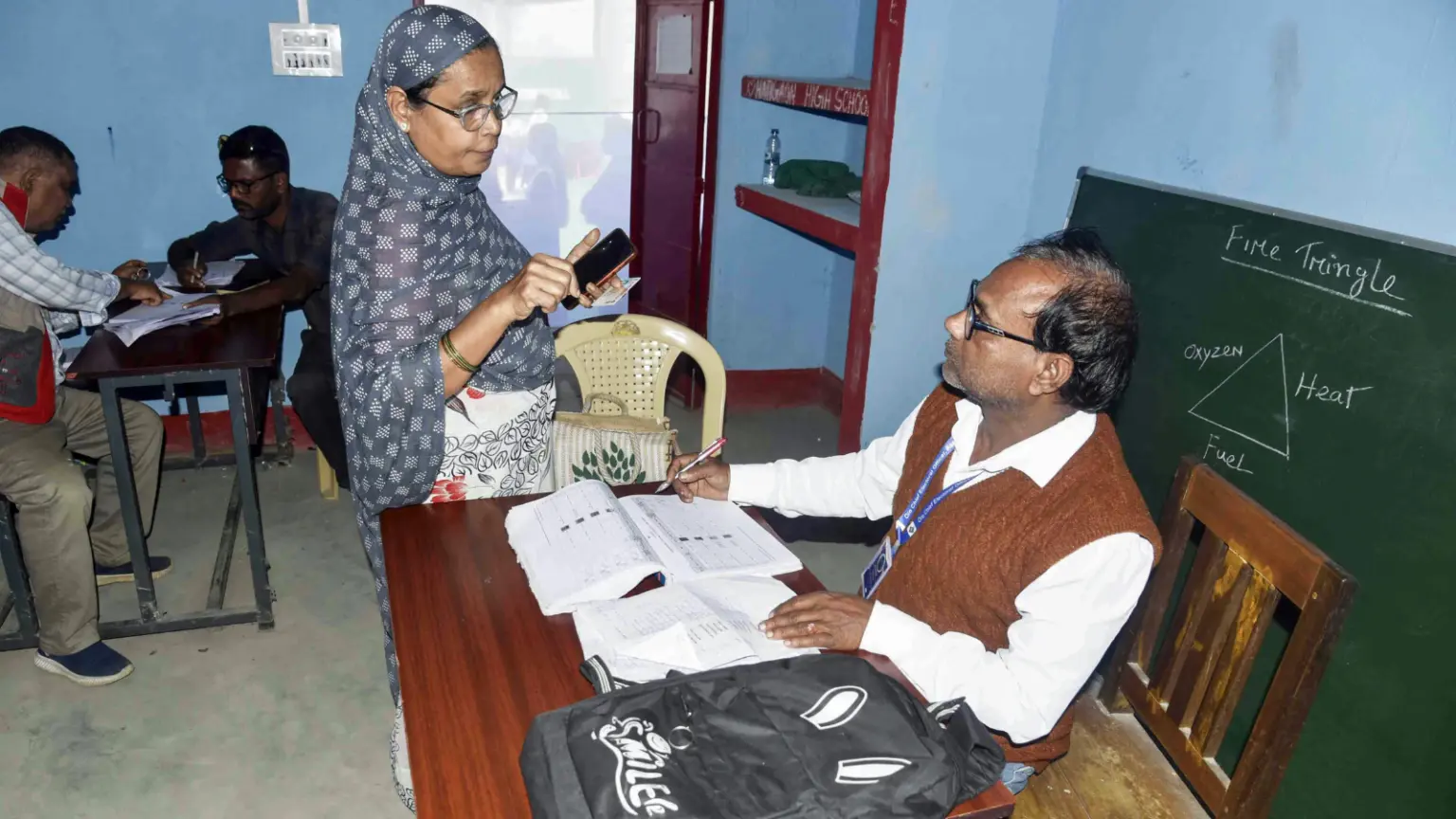
Distinct from the annual Special Summary Revisions (SSR), where modifications are made to existing rolls, the SIR involved a complete refresh of the electoral lists. Traditionally, this process required election officials to visit homes with an enumeration register to verify elector details. However, the recent SIR introduced mandatory submission of an enumeration form by all voters within a specified period, with failure to comply resulting in removal from the draft roll.
Additionally, certain categories of voters were required to provide documentation to prove their citizenship, a step that has sparked controversy and led to legal challenges in the Supreme Court, with critics labeling it a covert citizenship check.
Future Plans for Remaining States
The EC has announced plans to initiate the SIR process in the remaining states and Union Territories in the near future, continuing its efforts to ensure updated and accurate electoral rolls.
Follow US
https://www.facebook.com/charchaexpress
https://www.youtube.com/@charcha-express
https://www.instagram.com/charcha.express/
Contents
Overview of the Special Intensive RevisionThe Election Commission (EC) has reported that its Special Intensive Revision (SIR) of electoral rolls, conducted in 10 states and three Union Territories (UTs), has resulted in a reduction of the electorate by approximately 5.58 crore, accounting for a decrease of 9.55%.The second phase of the SIR, which began in October 2025 and concluded recently, saw the number of electors decrease by 5.37 crore, representing a 10.55% drop among the participating states and UTs. With the initial phase in Bihar, the total electorate fell from 58.87 crore to 53.28 crore.Final Figures from the RevisionAs of the recent completion of the SIR in Uttar Pradesh on April 10, 2026, the state’s electorate decreased from 15.44 crore to 13.39 crore, showing a significant reduction of 13.23%. While the electoral rolls for other regions were published in February, Uttar Pradesh was granted an extension for finalization.In total, the electorate across the 12 states and UTs involved in the revision (including Rajasthan, Goa, Lakshadweep, Puducherry, Gujarat, Chhattisgarh, Andaman & Nicobar Islands, Kerala, Madhya Pradesh, Tamil Nadu, West Bengal, and Uttar Pradesh) decreased from 50.97 crore on October 27, 2025, to 45.59 crore following the SIR.State-wise ReductionsAmong the nine states that participated in the SIR, Gujarat experienced the highest percentage reduction in voters, with a decrease of 13.39%. Uttar Pradesh followed closely with 13.23%, while Chhattisgarh, West Bengal, and Tamil Nadu saw reductions of 11.77%, 11.63%, and 11.55%, respectively. Of note, the Andaman and Nicobar Islands reported the largest overall reduction at 16.86%. In Bihar, the EC applied a different methodology, resulting in a 6% decrease in the number of electors.Methodology of the SIROn June 24, 2025, the EC decided to implement the SIR nationwide, following nearly 20 years since the last intensive revision was conducted. This decision aimed to address the significant urbanization and migration trends affecting the electoral rolls.Distinct from the annual Special Summary Revisions (SSR), where modifications are made to existing rolls, the SIR involved a complete refresh of the electoral lists. Traditionally, this process required election officials to visit homes with an enumeration register to verify elector details. However, the recent SIR introduced mandatory submission of an enumeration form by all voters within a specified period, with failure to comply resulting in removal from the draft roll.Additionally, certain categories of voters were required to provide documentation to prove their citizenship, a step that has sparked controversy and led to legal challenges in the Supreme Court, with critics labeling it a covert citizenship check.Future Plans for Remaining StatesThe EC has announced plans to initiate the SIR process in the remaining states and Union Territories in the near future, continuing its efforts to ensure updated and accurate electoral rolls.