

Pakistan’s Role in Iran-US Ceasefire and Regional Diplomacy
Diplomatic Achievement Amid Regional Tensions
Pakistan has gained recognition for its diplomatic efforts, particularly in the context of a recently announced 14-day ceasefire between Iran and the United States. This truce, facilitated by Islamabad’s mediation, is being viewed as a significant milestone in Pakistan’s diplomatic history, harking back to its engagement in 1971 when it assisted the U.S. in reaching out to China. Prime Minister Shehbaz Sharif publicized the ceasefire early Wednesday, revealing plans to host delegations from the U.S. and Iran in Islamabad for further negotiations aimed at a comprehensive settlement of disputes.
The announcement of the ceasefire establishes Pakistan as a notable mediator in a complex geopolitical landscape and follows closely on the heels of President Trump’s alarming threats concerning the conflict.
International Praise and Historical Context
Praise for Pakistan’s intervention has come from multiple quarters, including Tehran and Washington. President Trump acknowledged the roles of both Prime Minister Sharif and Pakistan’s Army Chief, Field Marshal Asim Munir, in facilitating the ceasefire. Iran’s Foreign Minister, Abbas Araghchi, also expressed gratitude for Pakistan’s efforts in striving to end the regional conflict. Other nations, including China, Turkey, and Egypt, have similarly commended Pakistan’s role in mitigating tensions that could have escalated into widespread conflict.
Pakistan’s current diplomatic standing marks a departure from the difficulties it faced with Gulf allies a decade ago during the Yemen conflict. Pakistan’s reluctance to intervene in the Yemen war, due in part to domestic opposition and concerns over sectarian divisions, strained its relations with Saudi Arabia and the UAE, who were actively involved in military operations against Iran-backed Houthi forces.
Shift in Geopolitical Dynamics
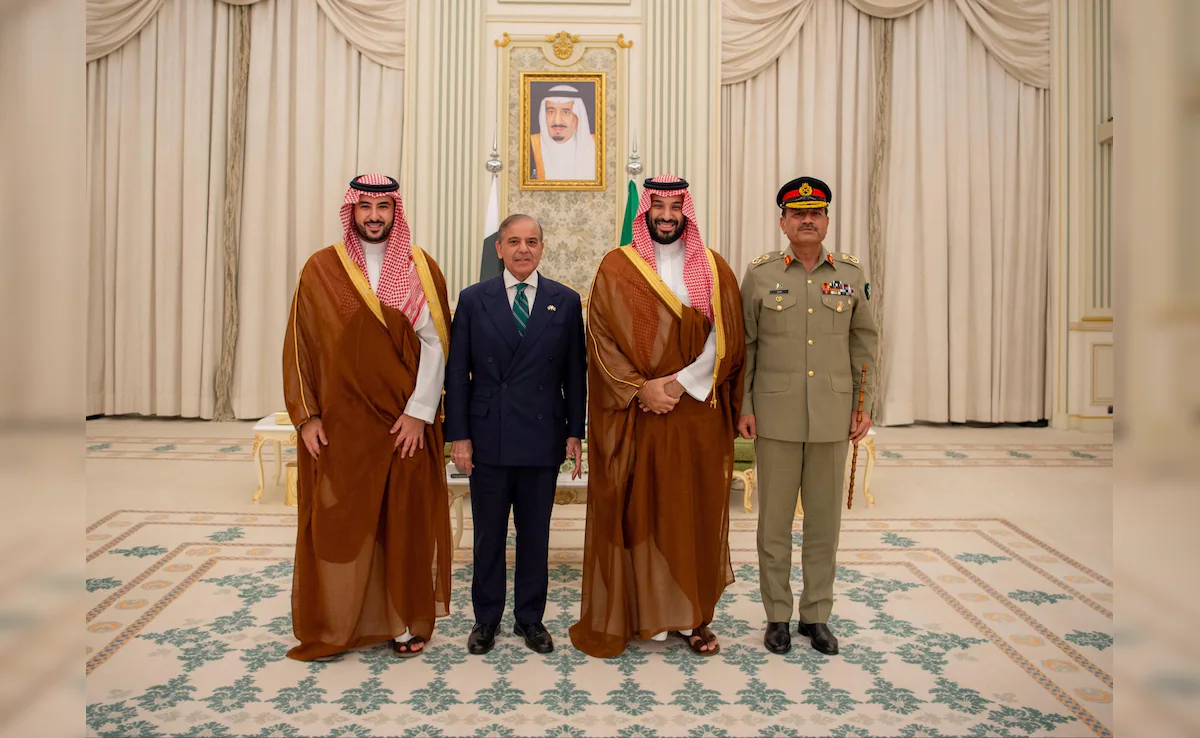
Recent developments in the Gulf region illustrate a shifting geopolitical landscape. The Saudi-Pakistan Strategic Mutual Defence Agreement signed in September includes mutual defense clauses, a testament to evolving ties. Although not tested during recent conflicts, both nations have voiced their commitments to support one another amidst growing threats, particularly from Iranian missile attacks on Saudi installations.
Pakistan’s Foreign Office has condemned acts of aggression aimed at Saudi Arabia, reaffirming its support in light of the existing defense agreements. With a significant Pakistani diaspora in Saudi Arabia, the economic implications of this alliance are crucial, particularly given Pakistan’s current economic challenges and reliance on financial support from Gulf states.
Formation of a New Geopolitical Alliance
The potential emergence of a Sunni bloc, comprising Saudi Arabia, Turkey, Egypt, and Pakistan—referred to as the STEP alliance—has garnered attention. Following the Saudi-Pakistan agreement, discussions about a collective defense framework have surfaced, although previously established tensions between Turkey and Saudi Arabia pose challenges to this cooperative endeavor. Recent negotiations among these countries, aimed at de-escalating conflicts, suggest a willingness to consolidate power in response to shared threats, particularly from Israel and Iran.
All four nations are exploring collaborative agreements across various sectors, including intelligence-sharing and defense cooperation, aimed at addressing mutual security concerns. This collaboration underscores a significant shift in regional dynamics and the potential for stronger alliances in response to external pressures.
Implications for the Region and Beyond
The current conflict has forced a reassessment of military and security strategies among Gulf states, with many recognizing the limitations of their military capabilities. This situation presents an opportunity for countries like Pakistan, Turkey, and Egypt to enhance their regional influence. The potential for a strengthened STEP alliance could reshape alliances in the Middle East, impacting how global powers engage with the region.
In conclusion, Pakistan’s successful mediation in achieving a ceasefire has positioned it favorably on the international stage, creating new diplomatic avenues. The future dynamics of regional relations will depend significantly on how effectively these alliances develop and adapt in response to ongoing and emerging conflicts.
Follow US
https://www.facebook.com/charchaexpress
https://www.youtube.com/@charcha-express
https://www.instagram.com/charcha.express/
Contents
Diplomatic Achievement Amid Regional TensionsPakistan has gained recognition for its diplomatic efforts, particularly in the context of a recently announced 14-day ceasefire between Iran and the United States. This truce, facilitated by Islamabad’s mediation, is being viewed as a significant milestone in Pakistan’s diplomatic history, harking back to its engagement in 1971 when it assisted the U.S. in reaching out to China. Prime Minister Shehbaz Sharif publicized the ceasefire early Wednesday, revealing plans to host delegations from the U.S. and Iran in Islamabad for further negotiations aimed at a comprehensive settlement of disputes.The announcement of the ceasefire establishes Pakistan as a notable mediator in a complex geopolitical landscape and follows closely on the heels of President Trump’s alarming threats concerning the conflict.International Praise and Historical ContextPraise for Pakistan’s intervention has come from multiple quarters, including Tehran and Washington. President Trump acknowledged the roles of both Prime Minister Sharif and Pakistan’s Army Chief, Field Marshal Asim Munir, in facilitating the ceasefire. Iran’s Foreign Minister, Abbas Araghchi, also expressed gratitude for Pakistan’s efforts in striving to end the regional conflict. Other nations, including China, Turkey, and Egypt, have similarly commended Pakistan’s role in mitigating tensions that could have escalated into widespread conflict.Pakistan’s current diplomatic standing marks a departure from the difficulties it faced with Gulf allies a decade ago during the Yemen conflict. Pakistan’s reluctance to intervene in the Yemen war, due in part to domestic opposition and concerns over sectarian divisions, strained its relations with Saudi Arabia and the UAE, who were actively involved in military operations against Iran-backed Houthi forces.Shift in Geopolitical DynamicsRecent developments in the Gulf region illustrate a shifting geopolitical landscape. The Saudi-Pakistan Strategic Mutual Defence Agreement signed in September includes mutual defense clauses, a testament to evolving ties. Although not tested during recent conflicts, both nations have voiced their commitments to support one another amidst growing threats, particularly from Iranian missile attacks on Saudi installations.Pakistan’s Foreign Office has condemned acts of aggression aimed at Saudi Arabia, reaffirming its support in light of the existing defense agreements. With a significant Pakistani diaspora in Saudi Arabia, the economic implications of this alliance are crucial, particularly given Pakistan’s current economic challenges and reliance on financial support from Gulf states.Formation of a New Geopolitical AllianceThe potential emergence of a Sunni bloc, comprising Saudi Arabia, Turkey, Egypt, and Pakistan—referred to as the STEP alliance—has garnered attention. Following the Saudi-Pakistan agreement, discussions about a collective defense framework have surfaced, although previously established tensions between Turkey and Saudi Arabia pose challenges to this cooperative endeavor. Recent negotiations among these countries, aimed at de-escalating conflicts, suggest a willingness to consolidate power in response to shared threats, particularly from Israel and Iran.All four nations are exploring collaborative agreements across various sectors, including intelligence-sharing and defense cooperation, aimed at addressing mutual security concerns. This collaboration underscores a significant shift in regional dynamics and the potential for stronger alliances in response to external pressures.Implications for the Region and BeyondThe current conflict has forced a reassessment of military and security strategies among Gulf states, with many recognizing the limitations of their military capabilities. This situation presents an opportunity for countries like Pakistan, Turkey, and Egypt to enhance their regional influence. The potential for a strengthened STEP alliance could reshape alliances in the Middle East, impacting how global powers engage with the region.In conclusion, Pakistan’s successful mediation in achieving a ceasefire has positioned it favorably on the international stage, creating new diplomatic avenues. The future dynamics of regional relations will depend significantly on how effectively these alliances develop and adapt in response to ongoing and emerging conflicts.