In Bengal’s Tribal Belt, the Kudmi Factor Keeps the Race Wide Open
Political Landscape in Purulia
Purulia, known for its scenic forests, Ajodhya Pahar, Chhau dance, and the flowering Palash tree that marks the onset of spring, stands as a significant political battleground in West Bengal. The area is witnessing shifting voter loyalties and the impact of identity politics across various constituencies, particularly in Joypur, a town in the Jhalda subdivision, which has emerged as an unreserved Assembly constituency. Historically regarded as a Congress stronghold, Joypur has experienced victories from three different political parties in the last three Assembly elections.
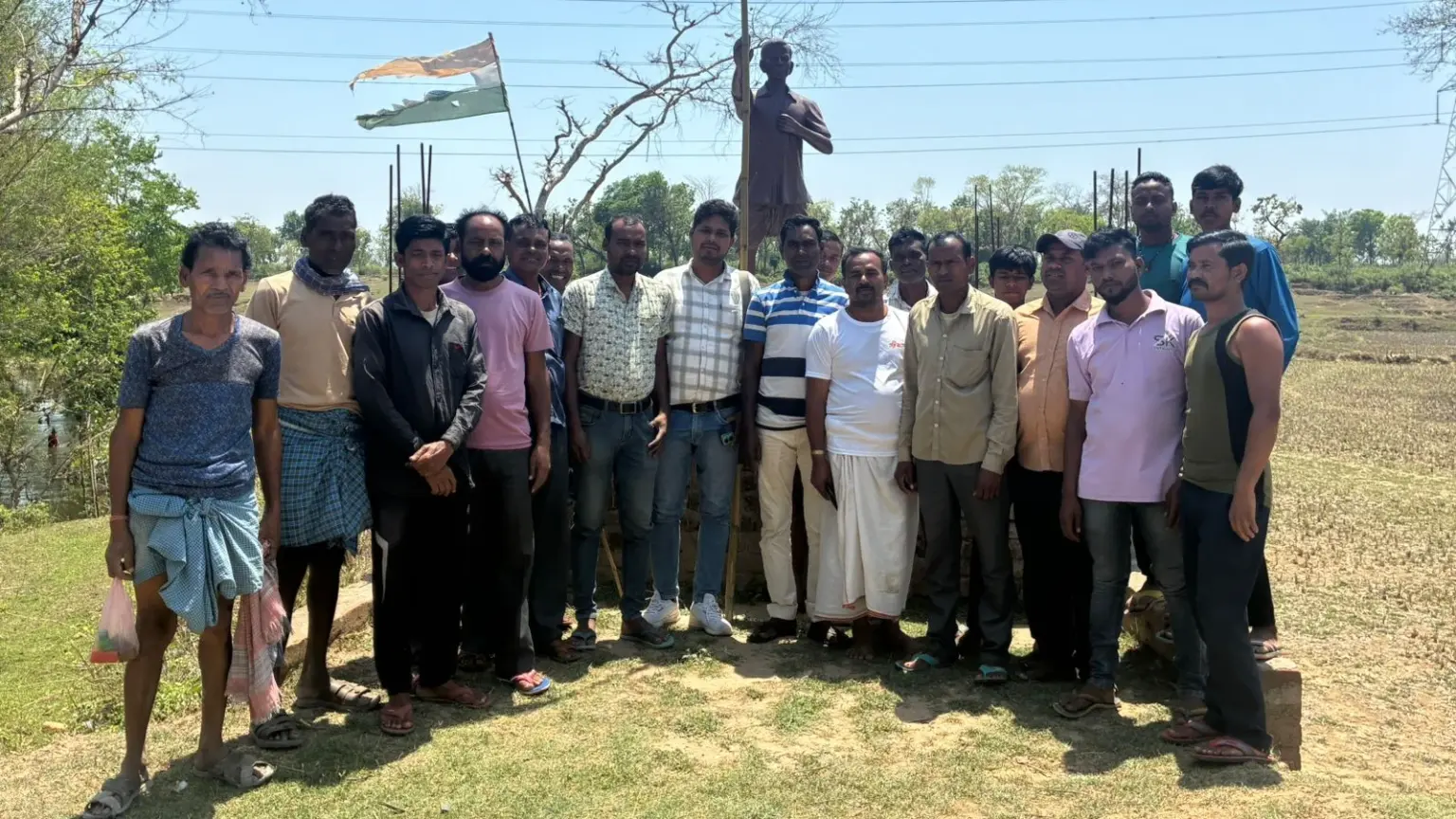
The economy of Joypur is predominantly agrarian, supplemented by small-scale industries, including puffed rice production. However, just 60 kilometers away in Chirugara village, residents continue to face challenges in accessing basic amenities. The Kangshaboti River serves as the main water supply, with many households lacking piped water. Villagers heavily rely on the river and local ponds for their water needs, expressing concerns about governance. Although a new bridge over the river has improved connectivity, issues related to unemployment and inadequate access to water and infrastructure remain critical for the local population.
The Kudmi Agitation
In recent years, a notable movement among the Kudmi community has emerged, demanding Scheduled Tribe (ST) status and recognition of the Kurmali language in the Eighth Schedule. This agitation has seen residents organizing protests and blockades since 2022, drawing attention to their cause. With an estimated population of around five million, the Kudmi community, classified as Other Backward Classes (OBC), believes it exerts influence over approximately 30 Assembly seats across Purulia, Jhargram, and Bankura districts. This demand for recognition is rooted in historical exclusion — the Kudmis were categorized as a tribal group in the 1931 Census but were excluded from the ST list in 1950, a factor that significantly impacts their voting behavior.
An analysis of the 2021 West Bengal Assembly elections revealed a bipolar contest between the Trinamool Congress (TMC) and the Bharatiya Janata Party (BJP). Out of the 40 Assembly seats in Jhargram, Bankura, Paschim Medinipur, and Purulia districts, TMC won 24 while BJP secured 16. In southern Bengal, TMC dominates, but the southwestern region’s electoral battles have historically been competitive due to varying local factors — a situation that Kudmis are keen to influence this election.
Voter Sentiment and Party Strategies
Many voters within the Kudmi community express a desire for governmental recognition and change. Sudhir Chandra Mahato, a local farmer, noted the trend of long-standing governments resulting in stagnation. He emphasized that the Kudmis are seeking recognition and would support those who commit to addressing their concerns.
In a strategic move, the BJP has nominated Biswajit Mahato, the son of prominent Kudmi leader Ajit Mahato, to retain support in the constituency. Ajit Mahato criticized the TMC government’s past actions towards the Kudmi community and indicated that they would back the BJP for five years, contingent upon the party fulfilling its promises regarding their demands.
However, the BJP’s support for the Kudmi demands may risk alienating other ST groups concerned about potential dilution of their reservation benefits. A senior party official stated that the party will align candidates based on local demographics, fielding Kudmi representatives in areas where they dominate and choosing ST candidates where Adivasi groups hold majority. Any decision regarding ST status for the Kudmis will rest with the party leadership.
Local Issues on the Ground
In Joypur, residents voice their pressing needs for employment opportunities, quality education, and essential services like water access, electricity, and healthcare. Bhadu Mahato, a farmer, lamented the lack of potable water and job prospects, as his family relies on minimal farmland for survival.
While electricity is available, residents describe quarterly billing as burdensome. Issues extend to inadequate local health services, with many choosing to travel to neighboring Jharkhand for medical care, citing the lack of proper facilities in local hospitals. Several villagers emphasize the urgent need for recognition of the Kudmi community to ensure better educational opportunities for their children, questioning why their needs have gone unaddressed.
TMC’s Joypur candidate, Arjun Mahato, acknowledged these issues in a recent statement, expressing commitment to address the concerns regarding water supply. Similar grievances related to water scarcity have been reported in nearby villages in Manbazar, where access to clean drinking water remains a significant challenge for residents.