
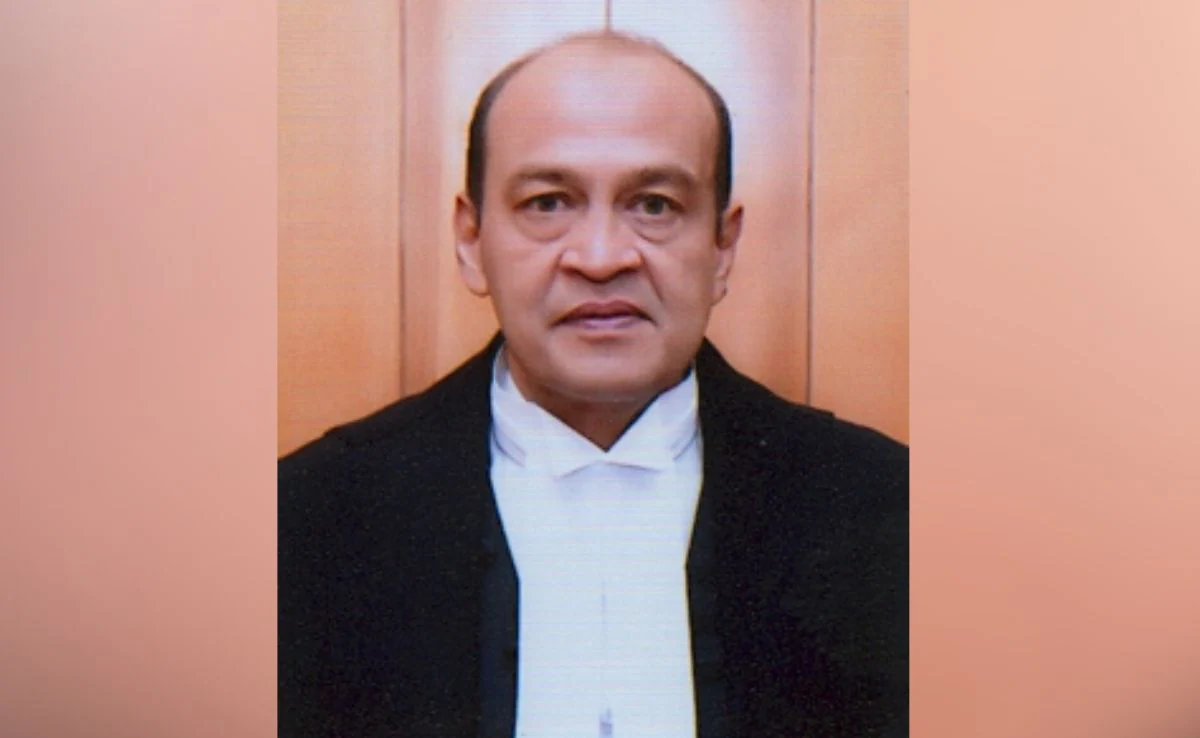
Justice Yashwant Varma Resigns Amid Impeachment Proceedings
Letter of Resignation
Justice Yashwant Varma has tendered his resignation from the Allahabad High Court, expressing his sentiments of deep anguish in a letter addressed to President Droupadi Murmu. In his resignation, Justice Varma refrained from detailing the reasons prompting his decision. He stated, “While I do not propose to burden your august office with the reasons which have constrained me to submit this missive, it is with deep anguish that I hereby tender my resignation from the office of Judge of the Hon’ble High Court of Judicature at Allahabad, with immediate effect. It has been an honour to serve in this office.”
A copy of his resignation letter was also sent to Chief Justice of India (CJI) Surya Kant, marking a significant development concerning his judicial career.
Background of the Case
Justice Varma’s situation gained public attention following an incident on March 14, 2025, when burnt bundles of currency notes were discovered in the outhouse of his official residence while he served as a judge of the Delhi High Court. This discovery led to his repatriation from the Delhi High Court to the Allahabad High Court.
In the aftermath of the incident, a three-member in-house inquiry committee, formed by the Supreme Court, concluded that Justice Varma had exercised “secret or active control” over the cash found at his residence. This inquiry’s findings prompted then Chief Justice of India (CJI) Sanjiv Khanna to recommend the initiation of removal proceedings against him.
Impeachment Proceedings
In July 2025, impeachment notices were issued in both Houses of Parliament with the support of 145 members from the Lok Sabha and 63 members from the Rajya Sabha. This action set in motion a formal process aimed at impeaching Justice Varma.
Following the introduction of the impeachment notices, on August 12, 2025, Lok Sabha Speaker Om Birla established a three-member committee under the Judges (Inquiry) Act of 1968 to investigate the allegations against Justice Varma. This committee was formed after a multi-party notice for his removal was accepted.
The committee underwent reconstitution on February 25, with Justice Aravind Kumar from the Supreme Court and Senior Advocate B V Acharya from the Karnataka High Court continuing as members. Justice Shree Chandrashekhar, Chief Justice of the Bombay High Court, was appointed to replace Madras High Court Chief Justice Manindra Mohan Shrivastava.
Procedural Disputes
Justice Varma has raised concerns regarding the procedural legitimacy of the inquiry panel’s formation. He argues that the impeachment notices presented in both Houses required joint consultation between the Lok Sabha Speaker and the Rajya Sabha Chairman prior to establishing the investigative committee.
As the developments surrounding Justice Varma’s resignation and the ongoing impeachment proceedings continue to unfold, the implications for the future of judicial accountability in India remain significant.
Follow US
https://www.facebook.com/charchaexpress
https://www.youtube.com/@charcha-express
https://www.instagram.com/charcha.express/
Contents
Letter of ResignationJustice Yashwant Varma has tendered his resignation from the Allahabad High Court, expressing his sentiments of deep anguish in a letter addressed to President Droupadi Murmu. In his resignation, Justice Varma refrained from detailing the reasons prompting his decision. He stated, “While I do not propose to burden your august office with the reasons which have constrained me to submit this missive, it is with deep anguish that I hereby tender my resignation from the office of Judge of the Hon’ble High Court of Judicature at Allahabad, with immediate effect. It has been an honour to serve in this office.”A copy of his resignation letter was also sent to Chief Justice of India (CJI) Surya Kant, marking a significant development concerning his judicial career.Background of the CaseJustice Varma’s situation gained public attention following an incident on March 14, 2025, when burnt bundles of currency notes were discovered in the outhouse of his official residence while he served as a judge of the Delhi High Court. This discovery led to his repatriation from the Delhi High Court to the Allahabad High Court.In the aftermath of the incident, a three-member in-house inquiry committee, formed by the Supreme Court, concluded that Justice Varma had exercised “secret or active control” over the cash found at his residence. This inquiry’s findings prompted then Chief Justice of India (CJI) Sanjiv Khanna to recommend the initiation of removal proceedings against him.Impeachment ProceedingsIn July 2025, impeachment notices were issued in both Houses of Parliament with the support of 145 members from the Lok Sabha and 63 members from the Rajya Sabha. This action set in motion a formal process aimed at impeaching Justice Varma.Following the introduction of the impeachment notices, on August 12, 2025, Lok Sabha Speaker Om Birla established a three-member committee under the Judges (Inquiry) Act of 1968 to investigate the allegations against Justice Varma. This committee was formed after a multi-party notice for his removal was accepted.The committee underwent reconstitution on February 25, with Justice Aravind Kumar from the Supreme Court and Senior Advocate B V Acharya from the Karnataka High Court continuing as members. Justice Shree Chandrashekhar, Chief Justice of the Bombay High Court, was appointed to replace Madras High Court Chief Justice Manindra Mohan Shrivastava.Procedural DisputesJustice Varma has raised concerns regarding the procedural legitimacy of the inquiry panel’s formation. He argues that the impeachment notices presented in both Houses required joint consultation between the Lok Sabha Speaker and the Rajya Sabha Chairman prior to establishing the investigative committee.As the developments surrounding Justice Varma’s resignation and the ongoing impeachment proceedings continue to unfold, the implications for the future of judicial accountability in India remain significant.