
Congress Withdraws from Baramati Bypoll in Strategic Move
Background of the Withdrawal
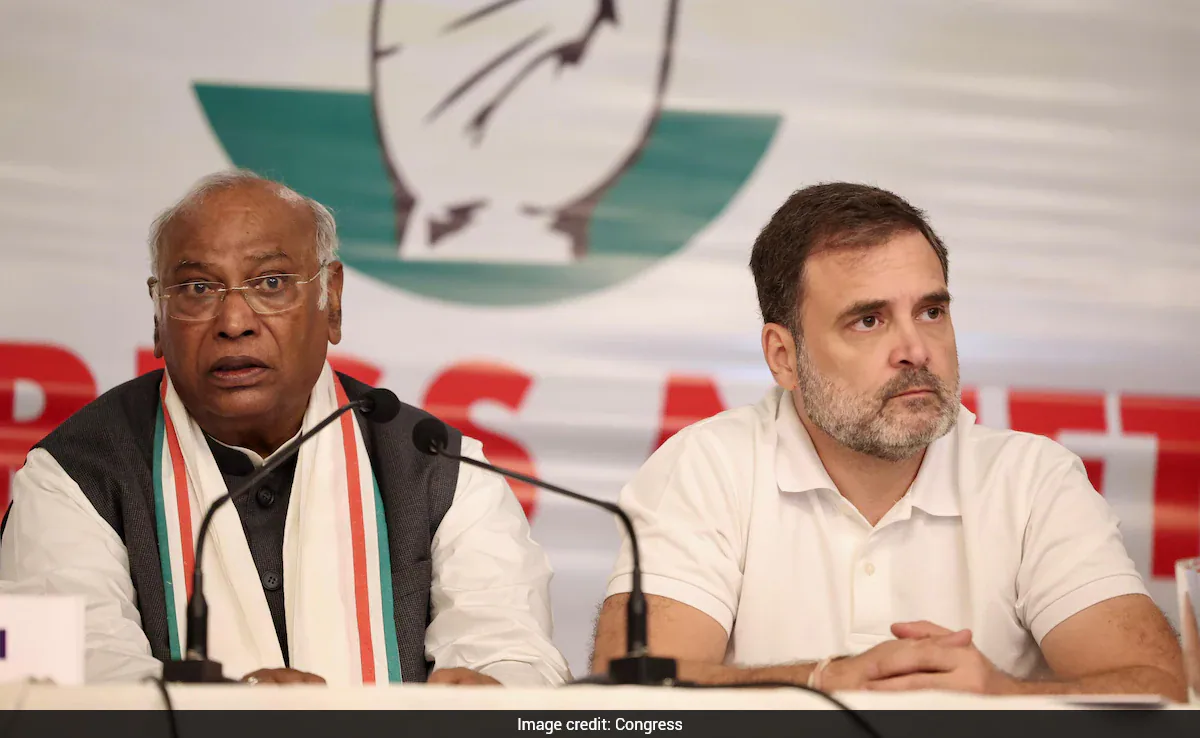
Mumbai: In a notable development, the Congress party withdrew its candidate from the Baramati bypoll elections, just two weeks prior to the scheduled vote on April 23. This decision was presented as a ‘mark of respect’ for Ajit Pawar, a prominent political figure who tragically died in a plane crash in late January. With this move, Congress has effectively paved the way for Sunetra Pawar, Ajit Pawar’s wife, to win the election uncontested.
Initial Context of the Candidacy
The Congress party initially indicated its determination to contest the Baramati seat, signalling a refusal to back down from its ideological stance against the BJP-led ‘Mahayuti’ alliance. Prior to its withdrawal, the Congress had firmly stated its intention to contest, despite the Nationalist Congress Party (NCP) joining the Mahayuti. This decision aimed to reinforce the party’s dedication to its principles of political ideology and mobilize its core voter base.
Changing Political Dynamics
However, subsequent political developments complicated the electoral landscape. Meetings between Rohit Pawar and Harshwardhan Sapkal, alongside references made by Supriya Sule regarding enduring political connections, began to exert significant moral and political pressure on the Congress party. Additionally, a pivotal phone call from Chief Minister Devendra Fadnavis, advocating for an unopposed election, contributed to altering the party’s strategy.
The situation presented the Congress with a challenging decision: to persist with its ideological confrontations or to adapt to the political culture of Maharashtra, which often emphasizes sensitivity and accommodation. Ultimately, the party opted for a “negotiated exit,” allowing it to withdraw while still preserving its political relevance in the region.
Political Implications of the Withdrawal
From a broader political perspective, this withdrawal has allowed Congress to gain substantial moral capital. The party aimed to communicate that it is not solely focused on adversarial politics but is also capable of making pragmatic and responsible decisions in consideration of the prevailing circumstances. Consequently, this decision is also viewed as a means of image-building for the party.
An important facet of the situation involved how Congress managed the adverse atmosphere following Parth Pawar’s controversial comments regarding the Congress’s position. The dialogue and clarification efforts initiated by Rohit Pawar contributed to the Congress gaining a moral advantage, thereby enabling it to assert control over the political narrative.
Looking Ahead to Future Elections
Political analysts suggest that Congress’s strategic withdrawal appears to be geared toward the upcoming 2029 assembly elections. Rather than engaging in direct confrontation within a traditionally significant constituency like Baramati, the party seems to be opting for a gradual approach that focuses on building political alliances, maintaining relationships, and cultivating public sympathy. These key elements indicate a comprehensive long-term strategy in the making.
In conclusion, the Congress party’s decision regarding the Baramati by-election transcends a mere electoral choice. It emerges as a significant instance of political communication, reflecting thoughtful planning and response to complex political dynamics in Maharashtra.
Follow US
https://www.facebook.com/charchaexpress
https://www.youtube.com/@charcha-express
https://www.instagram.com/charcha.express/
Contents
Background of the WithdrawalMumbai: In a notable development, the Congress party withdrew its candidate from the Baramati bypoll elections, just two weeks prior to the scheduled vote on April 23. This decision was presented as a ‘mark of respect’ for Ajit Pawar, a prominent political figure who tragically died in a plane crash in late January. With this move, Congress has effectively paved the way for Sunetra Pawar, Ajit Pawar’s wife, to win the election uncontested.Initial Context of the CandidacyThe Congress party initially indicated its determination to contest the Baramati seat, signalling a refusal to back down from its ideological stance against the BJP-led ‘Mahayuti’ alliance. Prior to its withdrawal, the Congress had firmly stated its intention to contest, despite the Nationalist Congress Party (NCP) joining the Mahayuti. This decision aimed to reinforce the party’s dedication to its principles of political ideology and mobilize its core voter base.Changing Political DynamicsHowever, subsequent political developments complicated the electoral landscape. Meetings between Rohit Pawar and Harshwardhan Sapkal, alongside references made by Supriya Sule regarding enduring political connections, began to exert significant moral and political pressure on the Congress party. Additionally, a pivotal phone call from Chief Minister Devendra Fadnavis, advocating for an unopposed election, contributed to altering the party’s strategy.The situation presented the Congress with a challenging decision: to persist with its ideological confrontations or to adapt to the political culture of Maharashtra, which often emphasizes sensitivity and accommodation. Ultimately, the party opted for a “negotiated exit,” allowing it to withdraw while still preserving its political relevance in the region.Political Implications of the WithdrawalFrom a broader political perspective, this withdrawal has allowed Congress to gain substantial moral capital. The party aimed to communicate that it is not solely focused on adversarial politics but is also capable of making pragmatic and responsible decisions in consideration of the prevailing circumstances. Consequently, this decision is also viewed as a means of image-building for the party.An important facet of the situation involved how Congress managed the adverse atmosphere following Parth Pawar’s controversial comments regarding the Congress’s position. The dialogue and clarification efforts initiated by Rohit Pawar contributed to the Congress gaining a moral advantage, thereby enabling it to assert control over the political narrative.Looking Ahead to Future ElectionsPolitical analysts suggest that Congress’s strategic withdrawal appears to be geared toward the upcoming 2029 assembly elections. Rather than engaging in direct confrontation within a traditionally significant constituency like Baramati, the party seems to be opting for a gradual approach that focuses on building political alliances, maintaining relationships, and cultivating public sympathy. These key elements indicate a comprehensive long-term strategy in the making.In conclusion, the Congress party’s decision regarding the Baramati by-election transcends a mere electoral choice. It emerges as a significant instance of political communication, reflecting thoughtful planning and response to complex political dynamics in Maharashtra.