Exploring Non-Sushi Culinary Delights in Tokyo’s Izakayas
Introduction to Japanese Cuisine
Japan is renowned for its rich culture and delicious food offerings. During a recent nine-day trip, the focus was solely on exploring various culinary delights in the country, all without indulging in sushi. The journey commenced in Tokyo, the food capital, with plans to explore Osaka in the following segment.
Discovering Authentic Flavors in Tokyo
For those who appreciate experiencing a destination through its local cuisine, Tokyo provides an abundance of opportunities. No meal in the city has the potential to disappoint, from small izakayas to five-star establishments, although the latter may not be the best way to immerse oneself in local flavors. Embracing the places where residents dine is key to an authentic experience.
On the first day in Tokyo, a visit to Omoide Yokocho in Shinjuku revealed a cozy collection of slim alleys home to around 80 tiny izakayas, accommodating a maximum of six or seven guests each. Known as Memory Lane, these establishments serve anything but ordinary flavors, primarily featuring ramen and yakitori alongside highballs and whisky. Guests enjoy grilling their own gyu-kushi (beef skewers) and yakitori (chicken skewers) at the counter, resulting in an enriching dining experience.
Most izakayas in this area operate with a cash-only policy. However, the trusting nature of the Japanese culture allows for a unique arrangement, where diners can finish their meal and later withdraw cash to settle their bill at a nearby ATM, with prices typically ranging from a couple of hundred yen.
Evenings in Shinjuku Golden Gai
In the evenings, Shinjuku Golden Gai offers another taste of Tokyo’s vibrant nightlife. This area, located in Kabukicho, features a network of six narrow alleys populated by over 200 shanty-style bars. Many of these intimate venues can accommodate just four or five patrons. As cash is favored here as well, visitors should be prepared accordingly.
For those looking for a trendy yet historically rich experience, the Showa Era open-air bars under the flyover in Ginza provide a delightful atmosphere filled with local delicacies. These establishments prioritize authenticity over luxury while ensuring food quality remains high.
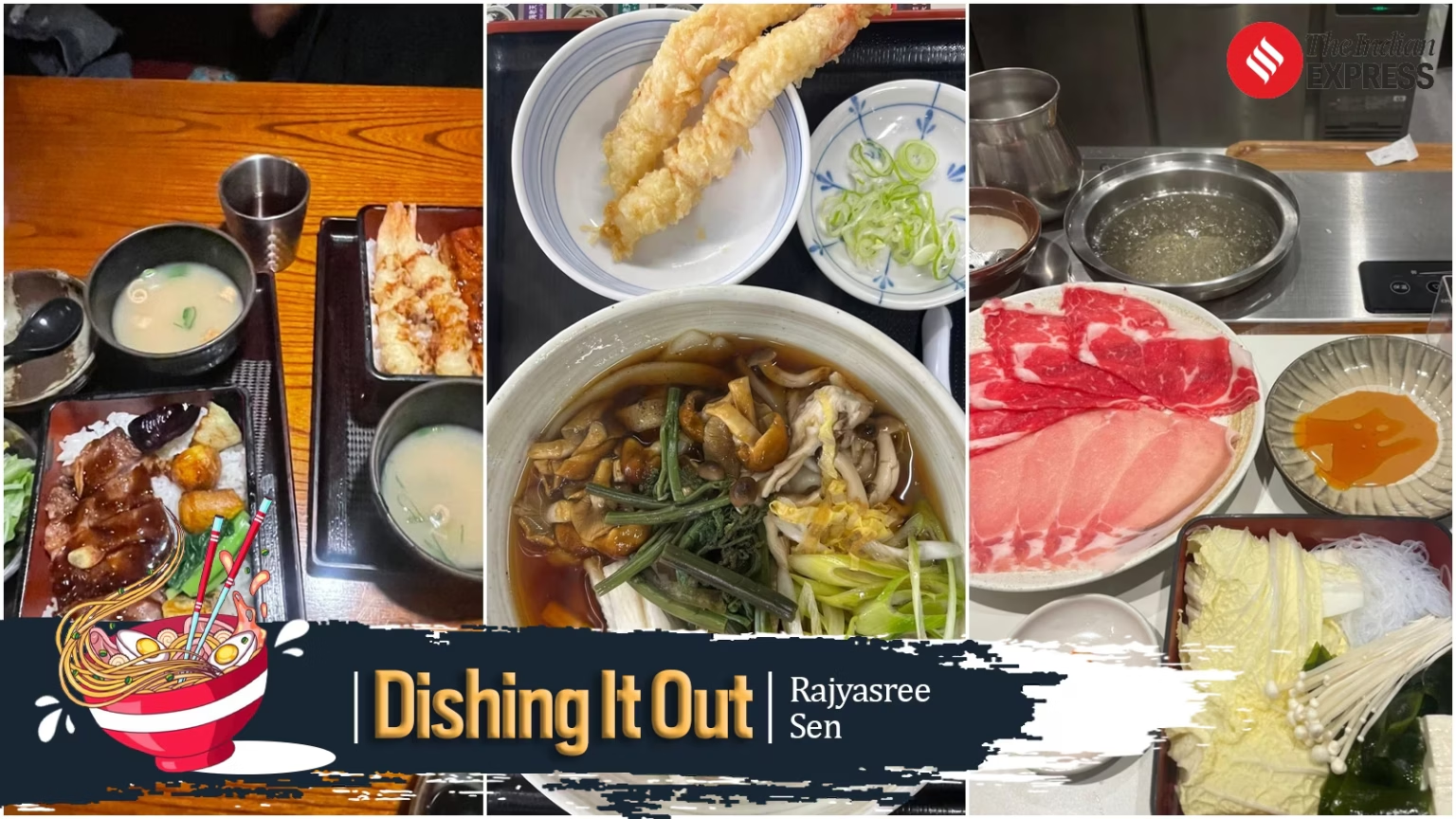
Among the meals sampled was at Tokuro Izakaya, which drew inspiration from the Edo Period. The restaurant was noted for its delectable beef rice, unagi rice, and an impressive sashimi platter. Guests experienced seating reminiscent of traditional Japanese homes, enhancing the atmosphere.
Experiencing Shabu Shabu
A culinary adventure in Tokyo would be incomplete without sampling Shabu Shabu at Shabu Sen in Ginza. This dish consists of thinly sliced beef and pork boiled in savory broth right at the table. Guests are provided with a platter of meats and vegetables, allowing for an interactive and flavorful cooking experience. The term “shabu shabu” mimics the sound produced while preparing the dish.
Restaurants aim to make dining straightforward for travelers, often providing detailed English instructions to ease the process for non-Japanese speakers, while immersing guests in communal and family-oriented dining settings.
Highlighting Unique Restaurants
A memorable conclusion to the Tokyo experience came at Torihan, a charming yakitori restaurant managed by an elderly couple. Each detail was thoughtfully considered, from the décor to the quality of the chicken served, which proved to be exceptional. The menu included a variety of chicken skewers with distinct flavors, presented with careful attention.
A small local stall offered the finest pork ramen, showcasing the delightful simplicity of culinary experiences in Japan. For just 400 yen, diners enjoyed exceptional ramen without the need for English-speaking staff or utensils.
Final Culinary Adventures
A final delectable experience at the Narita airport featured unagi at the Michelin-rated Unagi Yondaime Kikukawa Global Gate restaurant. Priced at 1,000 yen, this grilled eel was exalted for its exquisite taste and intriguing preparation method.
In summary, Japan’s cuisine is rich and accessible but may not cater extensively to vegetarians, with many broths containing meat or fish. Overall, the country excels in providing flavorful, beautifully presented meals at remarkably reasonable costs. Visitors are reminded to enjoy the local custom of iced water service and the cultural norm of not tipping.
The writer looks forward to sharing insights from Osaka, Japan’s street food capital, in the next installment.