

Clashes Erupt Between Police and Tribals Over Bauxite Mining in Odisha
Overview of the Incident
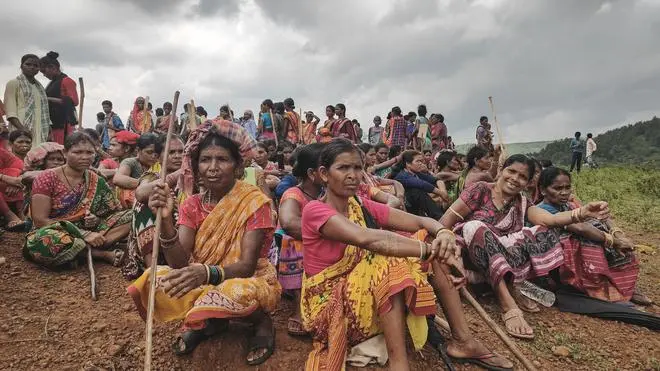
Violence between tribal villagers and police occurred near Kashipur in Odisha’s Rayagada district, resulting in injuries to at least 40 police personnel and 25 villagers on April 7. The confrontation arose during the construction of a 3 km-long approach road leading to the Sijimali bauxite mine, which has been a source of ongoing agitation among local tribes.
The tribals have expressed their discontent towards the bauxite project, particularly since its allocation to Vedanta Limited in 2023 through an auction. Protesters claimed that the police conducted a raid on their village in the early hours to detain those opposing the road’s construction, accusing law enforcement of cutting off electricity and forcibly entering homes.
Police Response and Claims
The police stated they were executing an arrest for an individual with a non-bailable warrant during their presence in the village. According to Rayagada Superintendent of Police Swathy S Kumar, approximately 250 villagers retaliated by throwing stones and wielding weapons, prompting officers to respond with a lathi charge and teargas while deploying six platoons for crowd control.
Despite a prohibitory order from the district administration issued on April 3, protests persisted, with villagers alleging they were not consulted prior to the road’s construction. They accused the administration of using excessive force to suppress their dissent.
Allegations Over Gram Sabhas
Concerns have also been raised regarding the approval process for the bauxite project. The Rayagada district administration maintains that Gram Sabhas, which include all adults in the village, were held on December 8, 2023, in eight affected villages as mandated by the Forest Rights Act (FRA). The administration claims that villagers provided unanimous approval for the mining initiative.
Villagers contest these assertions, alleging the Gram Sabhas were conducted under false pretenses and that their signatures were forged. They continue to protest against the project, fearing it could jeopardize their livelihoods. Vedanta claims to have received Stage-1 forest clearance from the Centre, aiming to commence mining operations next year.
Bauxite Reserves in Odisha
The Sijimali site is part of the Eastern Ghats and consists of a significant bauxite reserve that spans 1,500 hectares across Rayagada and Kalahandi districts. With an estimated stock of 311 million tonnes of high-grade bauxite, Sijimali’s proximity to Vedanta’s alumina refinery in Lanjigarh enhances its significance, as the refinery has a production capacity of 5 million tonnes per annum.
Bauxite, refined into alumina, is essential for aluminum production, a widely used material in various industries due to its strength, lightweight, and conductivity. Aluminum is also the most abundant metal in the Earth’s crust, ranking third among elements after oxygen and silicon.
Odisha’s Mineral Wealth
Odisha is a major contributor to India’s bauxite supply, holding 41% of the country’s bauxite resources and accounting for 73% of total production in 2021-22. The state is also rich in various other mineral deposits, including high-grade iron ore, coal, nickel, gemstones, and graphite, comprising nearly 17% of India’s overall mineral reserves.
Historical Context of Protests Against Bauxite Mining
Vedanta has faced challenges in previous bauxite mining endeavors, particularly in its attempts to mine from the Niyamgiri hills, which are home to the Dongria Kondhs, a particularly vulnerable tribal group. The project was halted when the Centre denied Stage-II forest clearance in 2010 due to concerns over tribal rights and ecological impacts.
The Supreme Court ruled in 2013 that Gram Sabhas must approve any mining plans in the sensitive Niyamgiri region. Subsequently, all 12 Gram Sabhas voted against the mining project, posing a setback for Vedanta’s operations.
Follow US
https://www.facebook.com/charchaexpress
https://www.youtube.com/@charcha-express
https://www.instagram.com/charcha.express/
Contents
Overview of the IncidentViolence between tribal villagers and police occurred near Kashipur in Odisha’s Rayagada district, resulting in injuries to at least 40 police personnel and 25 villagers on April 7. The confrontation arose during the construction of a 3 km-long approach road leading to the Sijimali bauxite mine, which has been a source of ongoing agitation among local tribes.The tribals have expressed their discontent towards the bauxite project, particularly since its allocation to Vedanta Limited in 2023 through an auction. Protesters claimed that the police conducted a raid on their village in the early hours to detain those opposing the road’s construction, accusing law enforcement of cutting off electricity and forcibly entering homes.Police Response and ClaimsThe police stated they were executing an arrest for an individual with a non-bailable warrant during their presence in the village. According to Rayagada Superintendent of Police Swathy S Kumar, approximately 250 villagers retaliated by throwing stones and wielding weapons, prompting officers to respond with a lathi charge and teargas while deploying six platoons for crowd control.Despite a prohibitory order from the district administration issued on April 3, protests persisted, with villagers alleging they were not consulted prior to the road’s construction. They accused the administration of using excessive force to suppress their dissent.Allegations Over Gram SabhasConcerns have also been raised regarding the approval process for the bauxite project. The Rayagada district administration maintains that Gram Sabhas, which include all adults in the village, were held on December 8, 2023, in eight affected villages as mandated by the Forest Rights Act (FRA). The administration claims that villagers provided unanimous approval for the mining initiative.Villagers contest these assertions, alleging the Gram Sabhas were conducted under false pretenses and that their signatures were forged. They continue to protest against the project, fearing it could jeopardize their livelihoods. Vedanta claims to have received Stage-1 forest clearance from the Centre, aiming to commence mining operations next year.Bauxite Reserves in OdishaThe Sijimali site is part of the Eastern Ghats and consists of a significant bauxite reserve that spans 1,500 hectares across Rayagada and Kalahandi districts. With an estimated stock of 311 million tonnes of high-grade bauxite, Sijimali’s proximity to Vedanta’s alumina refinery in Lanjigarh enhances its significance, as the refinery has a production capacity of 5 million tonnes per annum.Bauxite, refined into alumina, is essential for aluminum production, a widely used material in various industries due to its strength, lightweight, and conductivity. Aluminum is also the most abundant metal in the Earth’s crust, ranking third among elements after oxygen and silicon.Odisha’s Mineral WealthOdisha is a major contributor to India’s bauxite supply, holding 41% of the country’s bauxite resources and accounting for 73% of total production in 2021-22. The state is also rich in various other mineral deposits, including high-grade iron ore, coal, nickel, gemstones, and graphite, comprising nearly 17% of India’s overall mineral reserves.Historical Context of Protests Against Bauxite MiningVedanta has faced challenges in previous bauxite mining endeavors, particularly in its attempts to mine from the Niyamgiri hills, which are home to the Dongria Kondhs, a particularly vulnerable tribal group. The project was halted when the Centre denied Stage-II forest clearance in 2010 due to concerns over tribal rights and ecological impacts.The Supreme Court ruled in 2013 that Gram Sabhas must approve any mining plans in the sensitive Niyamgiri region. Subsequently, all 12 Gram Sabhas voted against the mining project, posing a setback for Vedanta’s operations.