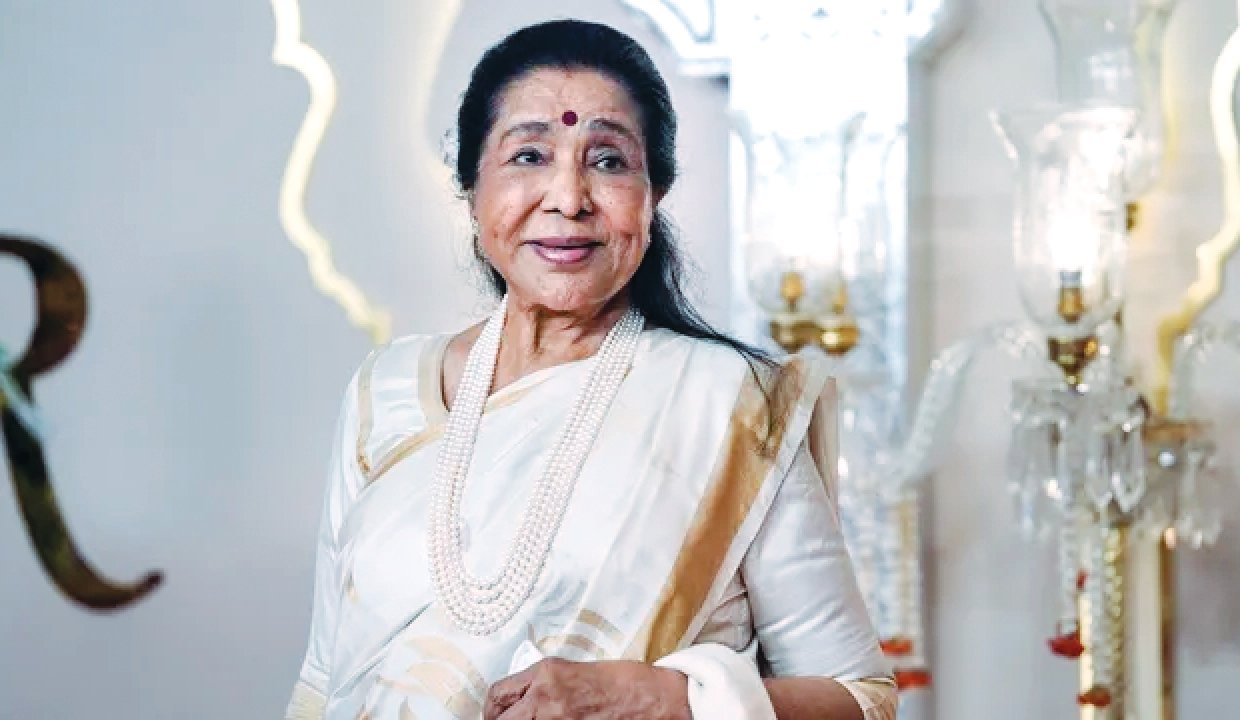
Asha Bhosle: A Lasting Influence on the Female Voice in Music
Versatile Career
Playback singer Asha Bhosle, who passed away at the age of 92 in Mumbai, left an indelible mark on the music industry. Known for her versatility, Bhosle often worked under the shadow of her elder sister, the renowned singer Lata Mangeshkar. While Mangeshkar’s voice epitomized the ideal femininity associated with film heroines, Bhosle carved her own niche, striving to reach similar heights in her career. She often performed songs that other singers found undesirable, particularly those associated with more provocative themes.
Bhosle’s repertoire included cabaret songs, flirtatious numbers, and rhythm-driven tunes, showcasing her immense talent. Collaborating with notable composers like OP Nayyar and RD Burman, she transformed the perception of the female voice, enriching it with new sounds and textures. Notable songs such as “Aaja aaja main hoon pyaar tera” from Teesri Manzil (1966) and “Piya tu ab toh aaja” from Caravan (1971) exemplified her innovative use of breath as an instrument. Her ability to embrace and elevate the tipsy genre was evident in songs like “Dum maaro dum” from Haré Rama Haré Krishna (1971).
Recognition and accolades
Bhosle’s talents captivated audiences across the country, yet she sought further artistic challenges. This pursuit led her to work with filmmaker Muzaffar Ali, who cast her in the film Umrao Jaan, which told the story of a 19th-century courtesan from Awadh. The film featured a remarkable collection of ghazals composed by Khayyam, and it earned Bhosle her first National Award, marking a significant milestone in her career after more than three decades of performing.
In 1997, Bhosle received her first Grammy nomination for the album Legacy, a collaboration with her mentor and sarod master, Ustad Ali Akbar Khan. She received another nomination in 2006. Noteworthy, her collaborator David Harrington of the Kronos Quartet, described her at Carnegie Hall by saying, “It has been like introducing an Indian version of Elvis to a whole new generation.”
Beginings and Milestones
Bhosle’s career began in the Marathi film industry when she debuted at the age of 10 with the song “Chala chala” in Majha Bal (1943). Her first Hindi solo followed in 1949 with Jagdish Sethi’s Raat Ki Rani, but it was her work in BR Chopra’s Naya Daur (1957) along with the compositions of OP Nayyar that launched her to new heights. Throughout her career, Bhosle became known for her ambition, playfulness, and the abandon she displayed in her performances. This was exemplified during her 90th birthday celebration, where her passion for music remained unabated.
Bhosle’s legacy as a playback singer fundamentally transformed the Hindi film industry. She garnered recognition for her commitment to her craft and tireless work ethic. As a prominent figure in mainstream music, her influence and contributions will continue to resonate with audiences and musicians alike for years to come.