Possible Savings on YouTube Premium for iPhone Users
Understanding the Pricing Discrepancy
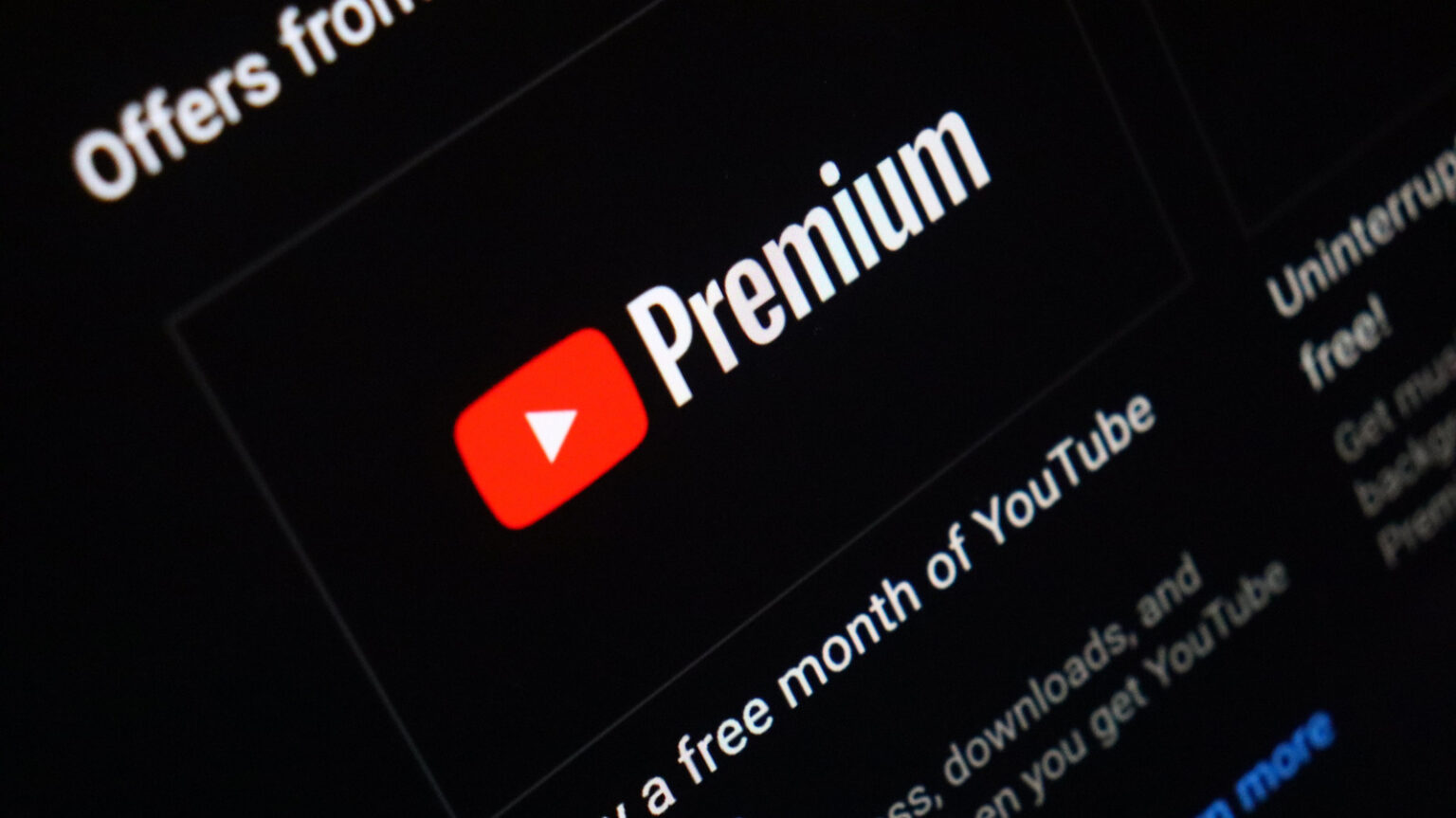
Many users of YouTube Premium who subscribe via the Apple App Store may be paying an inflated monthly fee of $18.99. This price reflects an additional charge due to Apple’s 30% commission on in-app purchases, which translates to nearly $5 more per month compared to YouTube’s direct subscription rate of $13.99. This issue primarily affects those who signed up using an iPhone or iPad.
The additional charge is not always made clear during the sign-up process. Apple’s guidelines restrict apps from informing customers about alternative, often cheaper options for subscription services. This restriction has led to multiple legal challenges for Apple, notably with the European Union and other companies such as Epic Games.
Cancellation and Re-subscription Process
To avoid the extra charge, users can cancel their current YouTube Premium subscription through the Apple App Store. After cancellation, they can sign up for the service directly on the YouTube website. This method circumvents Apple’s commission fee, allowing users to maintain access until the end of their current billing cycle, making the transition smooth and without interruption of service.
Insights on Apple’s Service Fees
Apple imposes a 30% commission fee on all apps utilizing a subscription model through its App Store. This pricing structure does not affect Android users, who subscribe to YouTube Premium at the standard rate. Nonetheless, users on Netflix or Spotify also encounter similar conditions if they subscribe through the Apple platform, as these apps do not offer subscription options within their iOS applications.
For many applications, users are encouraged to explore other subscription options outside of Apple’s ecosystem. Although not all apps provide this possibility, many do, allowing subscribers to avoid the commission fees associated with in-app purchases. Larger platforms like Spotify and Netflix have accepted this model, although they have criticized Apple’s restrictions on promoting external subscription routes in their apps.
Implications for Smaller Services
Smaller applications often lack the brand recognition and user base necessary to run a subscription service without incorporating Apple’s fees. Consequently, these developers might find themselves at a competitive disadvantage compared to larger entities. Furthermore, these smaller services are limited in their ability to direct users to more affordable subscription options outside of the iOS app ecosystem, adding to their challenges.
This ongoing tension between developers and Apple has sparked discussions regarding the fairness of the commission structure, as observed in public statements from services like Spotify and Patreon. Both companies have voiced concerns over Apple’s restrictions on directing users to cheaper alternatives for subscribing. These ongoing disputes highlight the broader implications of app store policies for various developers and their customer bases.