

US Urged to Influence Israel Amid Escalating Conflict in Lebanon
Ceasefire Under Threat
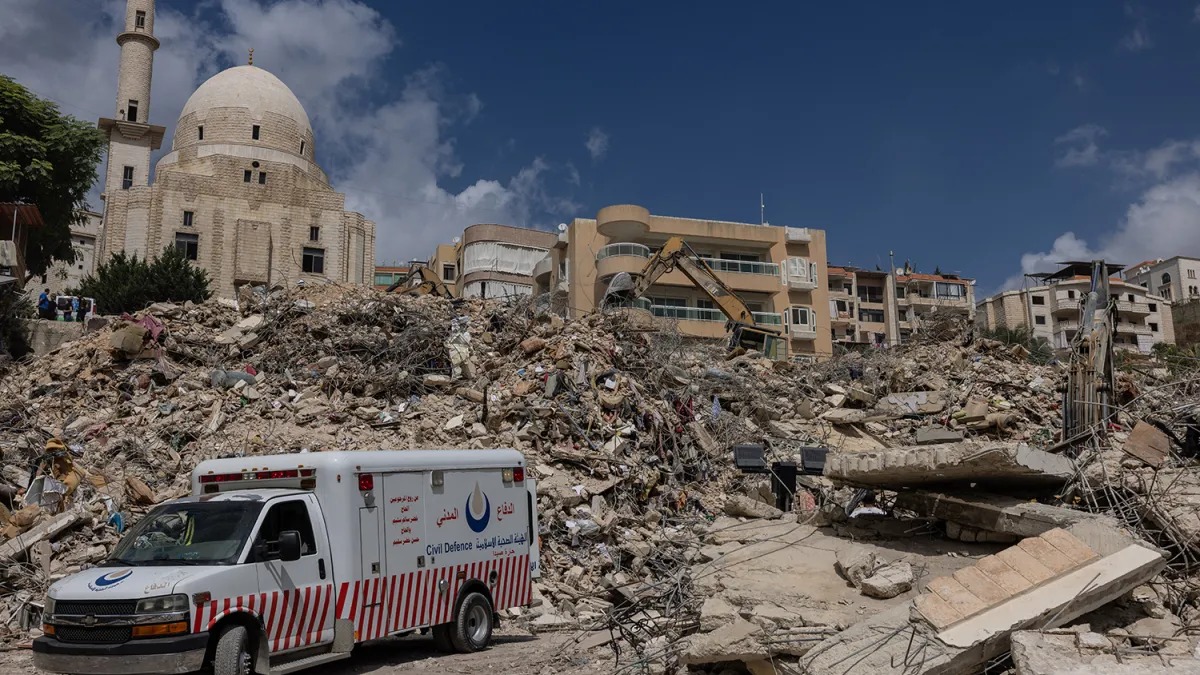
Scheduled discussions between the United States and Iran in Islamabad on Friday are overshadowed by the fragility of a two-week ceasefire recently announced. Despite these negotiations, Israeli Prime Minister Benjamin Netanyahu has intensified military operations against Hezbollah in Lebanon, conducting a significant bombing campaign that has reportedly resulted in at least 250 fatalities.
In a concerning development, Iran closed the Strait of Hormuz again in response to the escalating conflict, even though the ceasefire agreement included provisions for the safe passage of vessels. Iran, along with mediator Pakistan, asserts that Lebanon is encompassed in the ceasefire deal, a claim contested by the US and Israel. The potential withdrawal of Iran from the ceasefire due to Israel’s military actions could provoke a resurgence of hostilities, raising alarms about a return to military intervention from the US.
Calls for US Intervention
Reports suggest that US President Donald Trump needs to address Netanyahu’s aggressive military tactics, particularly as he appears to be the only party who could gain politically from an extended conflict. The US has historically been viewed as the only authority capable of pressing Israel to change its aggressive stance. Last June, a prior confrontation led Israel to conduct military strikes in Iran despite an existing ceasefire, underscoring the US’s influence over regional peace processes.
Israel’s ongoing operations in Lebanon have drawn widespread condemnation from multiple countries, including France, Spain, Italy, the UK, and the European Union. Nevertheless, Netanyahu, known for disrupting peace settlements, has stated that Israel will persist in its military actions against Hezbollah “wherever necessary” despite the ongoing ceasefire.
Hezbollah’s Role and Lebanese Government Response
Since its emergence following the Lebanon War in 1982, Hezbollah has been regarded as a significant security threat to Israel. However, recent patterns suggest that Israel’s indiscriminate military campaigns—resulting in civilian casualties and extensive damage to infrastructure—may strengthen Hezbollah’s position rather than weaken it. The Lebanese government has expressed its intent to disarm the militant group but has yet to achieve the necessary capacity to do so effectively.
Israel’s intention to establish a new security zone south of the Litani River marks its seventh military incursion into Lebanon and raises concerns of illegal annexation within an already complex humanitarian context. Currently, the conflict has displaced over a million individuals in Lebanon and resulted in more than 1,700 deaths, exacerbating a dire situation that threatens to destabilize the region further.
Broader Implications and the Need for Restraint
The progression of violence not only risks further upheaval within Lebanon but also poses a threat to regional stability and international security. Observers suggest that the ongoing conflict could have far-reaching implications for global energy and food security. As tensions increase, there are growing calls for the United States, particularly President Trump, to advocate for restraint from Israeli forces and to uphold the ceasefire. The stability of the entire region may hinge on the actions taken in the coming days.
Follow US
https://www.facebook.com/charchaexpress
https://www.youtube.com/@charcha-express
https://www.instagram.com/charcha.express/
Contents
Ceasefire Under ThreatScheduled discussions between the United States and Iran in Islamabad on Friday are overshadowed by the fragility of a two-week ceasefire recently announced. Despite these negotiations, Israeli Prime Minister Benjamin Netanyahu has intensified military operations against Hezbollah in Lebanon, conducting a significant bombing campaign that has reportedly resulted in at least 250 fatalities.In a concerning development, Iran closed the Strait of Hormuz again in response to the escalating conflict, even though the ceasefire agreement included provisions for the safe passage of vessels. Iran, along with mediator Pakistan, asserts that Lebanon is encompassed in the ceasefire deal, a claim contested by the US and Israel. The potential withdrawal of Iran from the ceasefire due to Israel’s military actions could provoke a resurgence of hostilities, raising alarms about a return to military intervention from the US.Calls for US InterventionReports suggest that US President Donald Trump needs to address Netanyahu’s aggressive military tactics, particularly as he appears to be the only party who could gain politically from an extended conflict. The US has historically been viewed as the only authority capable of pressing Israel to change its aggressive stance. Last June, a prior confrontation led Israel to conduct military strikes in Iran despite an existing ceasefire, underscoring the US’s influence over regional peace processes.Israel’s ongoing operations in Lebanon have drawn widespread condemnation from multiple countries, including France, Spain, Italy, the UK, and the European Union. Nevertheless, Netanyahu, known for disrupting peace settlements, has stated that Israel will persist in its military actions against Hezbollah “wherever necessary” despite the ongoing ceasefire.Hezbollah’s Role and Lebanese Government ResponseSince its emergence following the Lebanon War in 1982, Hezbollah has been regarded as a significant security threat to Israel. However, recent patterns suggest that Israel’s indiscriminate military campaigns—resulting in civilian casualties and extensive damage to infrastructure—may strengthen Hezbollah’s position rather than weaken it. The Lebanese government has expressed its intent to disarm the militant group but has yet to achieve the necessary capacity to do so effectively.Israel’s intention to establish a new security zone south of the Litani River marks its seventh military incursion into Lebanon and raises concerns of illegal annexation within an already complex humanitarian context. Currently, the conflict has displaced over a million individuals in Lebanon and resulted in more than 1,700 deaths, exacerbating a dire situation that threatens to destabilize the region further.Broader Implications and the Need for RestraintThe progression of violence not only risks further upheaval within Lebanon but also poses a threat to regional stability and international security. Observers suggest that the ongoing conflict could have far-reaching implications for global energy and food security. As tensions increase, there are growing calls for the United States, particularly President Trump, to advocate for restraint from Israeli forces and to uphold the ceasefire. The stability of the entire region may hinge on the actions taken in the coming days.