
Ceasefire Agreement Between US and Iran: A Temporary Reprieve in Ongoing Conflict
Current Situation of Ceasefire
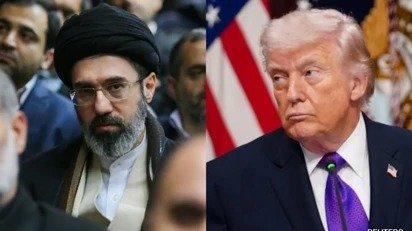
The two-week ceasefire agreement between the United States and Iran appears to be more of a strategic pause in their escalating conflict rather than a comprehensive resolution. This diplomatic development follows a series of American and Israeli strikes on Iran beginning in February 2026 and marks a critical phase of de-escalation, influenced by both strategic necessities and diplomatic opportunities.
The essence of the deal is based on a transactional bargain: the United States and Israel will suspend direct attacks in exchange for Iran reopening the Strait of Hormuz. This passage is crucial for global oil supplies and had previously been restricted by Iran, causing significant disruption to oil markets.
Nature of the Ceasefire Agreement
The ceasefire’s temporary nature is reflected in its two-week duration, which serves as a diplomatic holding period to gauge the possibility of achieving a more enduring resolution. Iran has pledged to facilitate safe passage through Hormuz, reportedly collaborating with its armed forces and considering revenue-sharing frameworks involving Oman. In return, the US has chosen to halt offensive operations while maintaining the right to protect its interests.
Despite this progress, the significant differences between the two nations remain pronounced. Iran has proposed a ten-point agenda, which includes requests for sanctions relief, compensation, recognition of its nuclear rights, and a reduction of US military presence. These demands starkly contrast with the US stance, which emphasizes rigorous nuclear constraints, demands for the surrender of enriched uranium, limitations on Iran’s proxy activities, and an implicit acknowledgment of Israel’s legitimacy. The divergent perspectives on these crucial issues indicate substantial obstacles to a lasting agreement.
Regional Implications and Reactions
The position of Israel adds another layer of complexity, as it supports the ceasefire while maintaining its military operations against Hezbollah. This divergence in military engagement highlights the tenuous nature of the current agreement and the ongoing regional tensions.
Both the United States and Iran have attempted to portray the ceasefire’s outcomes as victories, even amidst reports of minor violations that reflect the underlying fragility of the arrangement. The ceasefire has been characterized by mutual suspicion rather than trust, signalling ongoing volatility in relations.
Strategic Considerations for Leadership
This ceasefire represents an aspect of former President Donald Trump’s approach to international crises, characterized by a strategy of brinkmanship aimed at compelling opponents to negotiate. By creating a public deadline and threatening significant military action, Trump has sought to manage escalation effectively without resorting to the most extreme measures available to him. This method of crisis management aligns with his “peace through strength” principle.
The reopening of the Strait of Hormuz, alongside Iran’s willingness to engage in dialogue, provides concrete outcomes that Trump can highlight as indicators of success. Moreover, positive reactions from global markets support the argument that decisive diplomatic engagement backed by military readiness can yield meaningful results.
Long-term Consequences and Ongoing Tensions
However, the apparent short-term successes must be considered against their potential long-term costs. Trump’s aggressive rhetoric has drawn scrutiny from various political factions within the United States, highlighting concerns about proportionality and the risks of escalation. Furthermore, the broader context of American fatigue with sustained military engagements raises questions about the durability of such tactics.
Internationally, the implications of Trump’s approach are complex. While allies may find reassurance in the US’s decisive actions, they could also become wary of the unpredictable dynamics introduced by such strategies. This mindset may embolden adversaries to challenge these boundaries, leading to further escalation.
Ultimately, the ceasefire succeeds in providing a temporary pause but fails to address the core issues fueling the conflict, such as the nuclear debate and sanctions. Iran perceives the situation as evidence of US overreaching rather than a concession. Therefore, the two-week halt in hostilities appears as a strategic intermission that might create opportunities for diplomatic efforts but does not ensure their success.
Follow US
https://www.facebook.com/charchaexpress
https://www.youtube.com/@charcha-express
https://www.instagram.com/charcha.express/
Contents
Current Situation of CeasefireThe two-week ceasefire agreement between the United States and Iran appears to be more of a strategic pause in their escalating conflict rather than a comprehensive resolution. This diplomatic development follows a series of American and Israeli strikes on Iran beginning in February 2026 and marks a critical phase of de-escalation, influenced by both strategic necessities and diplomatic opportunities.The essence of the deal is based on a transactional bargain: the United States and Israel will suspend direct attacks in exchange for Iran reopening the Strait of Hormuz. This passage is crucial for global oil supplies and had previously been restricted by Iran, causing significant disruption to oil markets.Nature of the Ceasefire AgreementThe ceasefire’s temporary nature is reflected in its two-week duration, which serves as a diplomatic holding period to gauge the possibility of achieving a more enduring resolution. Iran has pledged to facilitate safe passage through Hormuz, reportedly collaborating with its armed forces and considering revenue-sharing frameworks involving Oman. In return, the US has chosen to halt offensive operations while maintaining the right to protect its interests.Despite this progress, the significant differences between the two nations remain pronounced. Iran has proposed a ten-point agenda, which includes requests for sanctions relief, compensation, recognition of its nuclear rights, and a reduction of US military presence. These demands starkly contrast with the US stance, which emphasizes rigorous nuclear constraints, demands for the surrender of enriched uranium, limitations on Iran’s proxy activities, and an implicit acknowledgment of Israel’s legitimacy. The divergent perspectives on these crucial issues indicate substantial obstacles to a lasting agreement.Regional Implications and ReactionsThe position of Israel adds another layer of complexity, as it supports the ceasefire while maintaining its military operations against Hezbollah. This divergence in military engagement highlights the tenuous nature of the current agreement and the ongoing regional tensions.Both the United States and Iran have attempted to portray the ceasefire’s outcomes as victories, even amidst reports of minor violations that reflect the underlying fragility of the arrangement. The ceasefire has been characterized by mutual suspicion rather than trust, signalling ongoing volatility in relations.Strategic Considerations for LeadershipThis ceasefire represents an aspect of former President Donald Trump’s approach to international crises, characterized by a strategy of brinkmanship aimed at compelling opponents to negotiate. By creating a public deadline and threatening significant military action, Trump has sought to manage escalation effectively without resorting to the most extreme measures available to him. This method of crisis management aligns with his “peace through strength” principle.The reopening of the Strait of Hormuz, alongside Iran’s willingness to engage in dialogue, provides concrete outcomes that Trump can highlight as indicators of success. Moreover, positive reactions from global markets support the argument that decisive diplomatic engagement backed by military readiness can yield meaningful results.Long-term Consequences and Ongoing TensionsHowever, the apparent short-term successes must be considered against their potential long-term costs. Trump’s aggressive rhetoric has drawn scrutiny from various political factions within the United States, highlighting concerns about proportionality and the risks of escalation. Furthermore, the broader context of American fatigue with sustained military engagements raises questions about the durability of such tactics.Internationally, the implications of Trump’s approach are complex. While allies may find reassurance in the US’s decisive actions, they could also become wary of the unpredictable dynamics introduced by such strategies. This mindset may embolden adversaries to challenge these boundaries, leading to further escalation.Ultimately, the ceasefire succeeds in providing a temporary pause but fails to address the core issues fueling the conflict, such as the nuclear debate and sanctions. Iran perceives the situation as evidence of US overreaching rather than a concession. Therefore, the two-week halt in hostilities appears as a strategic intermission that might create opportunities for diplomatic efforts but does not ensure their success.