Merger of GTB Hospital, RGSSH & DSCI Proposed to Create a Comprehensive Healthcare Facility in East Delhi
Current State of Public Health Facilities
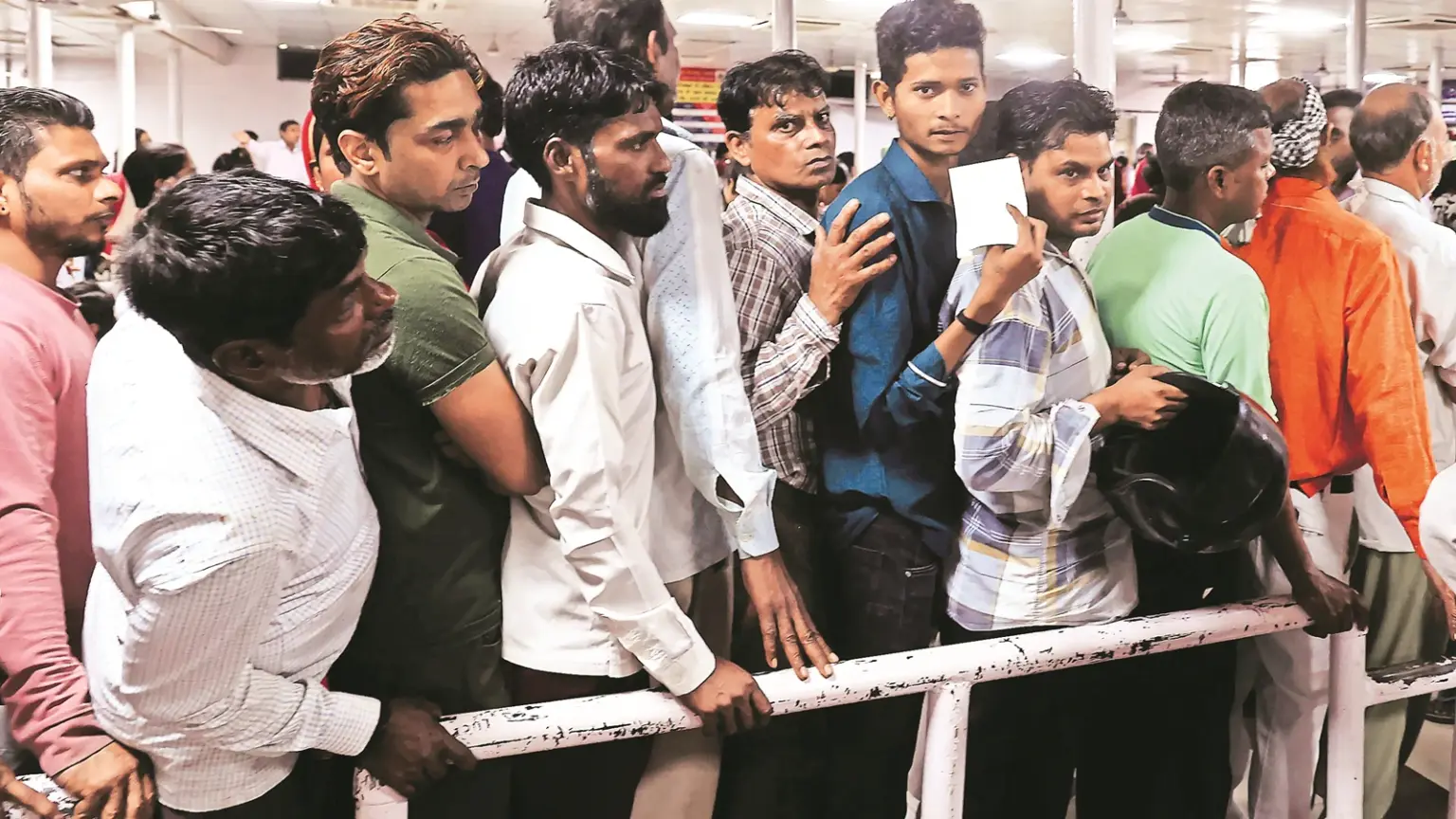
The casualty department at Guru Teg Bahadur (GTB) Hospital in East Delhi is under significant strain. Patients like Parbati Devi, who is suffering from epilepsy, frequently wait for extended periods to receive medical attention. Her husband, Kushal Singh, expresses the challenges they face in finding reliable care, underscoring the hospital’s role as a crucial healthcare facility amid insufficient alternatives in the area.
In contrast, the Rajiv Gandhi Super Speciality Hospital (RGSSH), located only a few kilometers away, has ample capacity with many vacant beds. This disparity highlights a critical imbalance in the healthcare system, where GTB Hospital manages around 6,000 outpatient visits and 250 admissions daily, while RGSSH struggles to attract patients despite its modern facilities.
The Delhi State Cancer Institute (DSCI) occupies a middle ground, dealing with its own set of challenges while attempting to provide cancer care to the community. The situation signals a need for restructuring within East Delhi’s public healthcare framework.
Proposed Merger of the Three Hospitals
To rectify this imbalance, Delhi’s government has announced plans to merge GTB Hospital, DSCI, and RGSSH into one centralized super-institution modeled after the All India Institute of Medical Sciences (AIIMS). Chief Minister Rekha Gupta introduced the proposal for this integration, which aims to streamline services and improve patient care.
Located within a short distance of one another, the proposed merger of these institutions intends to ease the burden on GTB Hospital while utilizing the underused capacity of RGSSH. The plan focuses on reducing service duplication, optimizing resources, and enhancing the training opportunities for medical students.
As part of this initiative, the Institute of Human Behaviour and Allied Sciences (IHBAS) has offered 75 acres of land for future development of the integrated facility, further enhancing the potential for expansion and improvement in services.
Statistics Supporting the Merger
The rationale behind the merger is supported by solid statistics. GTB Hospital experiences over 1.4 million outpatient visits and almost 95,000 inpatient admissions annually, operating significantly over its intended capacity. Comparatively, RGSSH sees around 287,000 outpatient visits but nearly half of its 650 beds are unoccupied.
The three hospitals currently duplicate various departments, leading to inefficiency in service delivery and resource allocation. The proposed merger aims to specialize services more effectively, with RGSSH focusing on super-specialty areas while consolidating oncology services at DSCI.
Implications for Patient Care and Medical Education
One of the primary advantages of this merger is streamlining patient referrals. Currently, patients requiring transfer between institutions face administrative hurdles that delay treatment. Under the new system, patient documentation would be more seamlessly shared, potentially expediting care.
Beyond patient care, the merger aims to enhance medical education by consolidating faculty and increasing postgraduate training seats across the institutions. This is essential for addressing gaps in teaching and improving overall healthcare provision in the region.
Challenges and Considerations for Implementation
Despite the potential benefits, several challenges need to be addressed for the merger to be successful. One major concern is the differences in employment conditions among the staff at the three hospitals, with varying job security and compensation models that could complicate integration efforts.
Infrastructure disparities also pose a significant challenge. GTB Hospital, for instance, lacks essential diagnostic equipment like MRI machines, while RGSSH struggles with an underused capacity. Addressing these gaps will be crucial to ensure that the unified facility can effectively serve patients.
Human resource management will be another vital aspect of the merger. There is an urgent need to address faculty shortages across all three institutions to ensure improved healthcare outcomes.
Path Forward
The proposed integration of these hospitals is expected to take around 9-10 months following the necessary approvals. Key steps will involve aligning service conditions, upgrading infrastructure, and effectively managing human resources to facilitate the merger’s integration.
The government envisions creating a robust healthcare complex in East Delhi that rivals leading institutions like AIIMS. However, the actualization of this vision depends on tackling the outlined challenges and ensuring that the merger genuinely enhances healthcare delivery for local patients.