Political Parties Show Slow Progress in Fielding Women Candidates Ahead of Elections
Limited Impact of Women’s Quota
Recent elections analyzed since the women’s reservation quota law was enacted in 2023 reveal minimal advancements in the selection of women candidates by political parties. A focus on states preparing for elections indicates that only a few parties have significantly boosted their numbers of female candidates.
In Assam, Kerala, West Bengal, Tamil Nadu, and Puducherry, many parties have only slightly enhanced their women candidate nominations, with instances of reductions in some cases. For example, in West Bengal, the Congress has raised the number of women candidates from seven in 2021 to 35 this election season, marking a rise in their overall representation from 7.6% to 11.9%. While the Trinamool Congress (TMC) increased its women candidates from 48 to 52, the party maintained a similar percentage of representation at around 17.86%. Conversely, the Bharatiya Janata Party (BJP) noted a decrease, fielding 33 women candidates compared to 38 during the previous election cycle.
Tamil Nadu and Kerala: Varying Trends
In Tamil Nadu, the Dravida Munnetra Kazhagam (DMK) and the All India Anna Dravida Munnetra Kazhagam (AIADMK) have both nominated 19 women candidates for the upcoming elections, maintaining an equivalent share of 11% in light of the total number of contested seats. While the AIADMK’s representation level has remained steady since 2021, the DMK has added six more women to their list of candidates since the last elections.
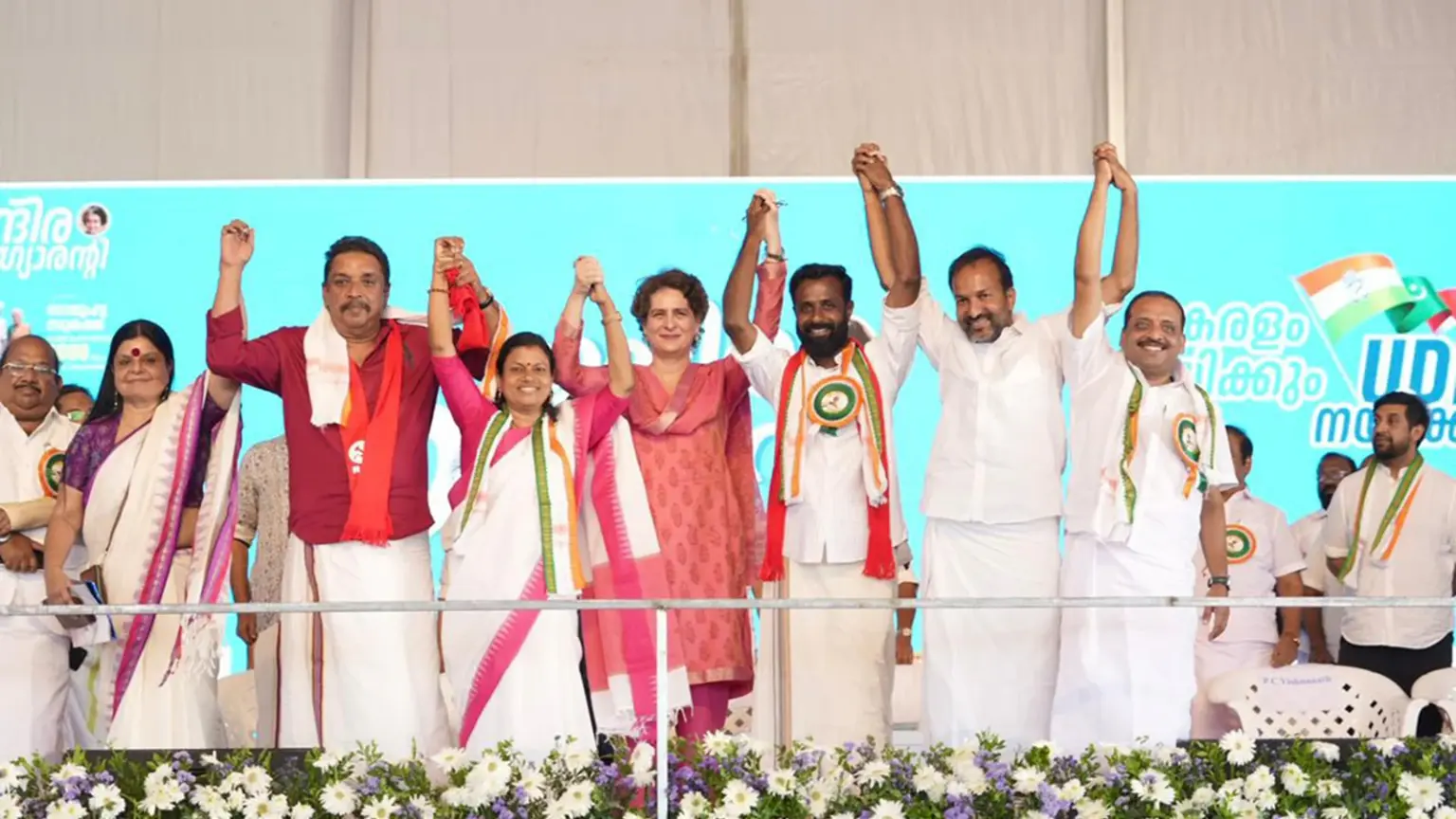
Conversely, in Kerala, both the BJP and Congress reported a decline in their female candidate nominations compared to five years ago. The Communist Party of India (Marxist) CPI(M) and Communist Party of India (CPI) observed minor increases in their representation of women candidates. Despite the BJP fielding fewer candidates overall, their percentage of women candidates improved slightly from 13.9% to 14.3%, while the Congress’s share decreased from 10.8% to 9.9%. The CPI(M) experienced a slight gain, increasing their proportion from 14.7% to 15.6%.
Comparative Analysis of Parties and Elections
Reviewing the Assembly elections held prior to and following the passage of the women’s quota bill highlights the limited effect of the legislation on the replacement of candidates. In instances where parties have nominated more than 20% of women candidates post-Bill, the Congress takes the lead in the upcoming Sikkim Assembly elections, where four out of twelve candidates (33.3%) are women.
In addition, the All Jharkhand Students Union Party (AJSU Party) is noted to have three out of ten candidates as women in Jharkhand elections, achieving a 30% share. Other political entities showing over 20% representation include the Biju Janata Dal (BJD) from Odisha (23.8%), the Congress in Jharkhand (23.3%), and the CPI in Kerala with 20.8% of their candidates.
Major Parties and Regional Trends
The BJP attained its highest proportions of woman candidates post-2023 in Jharkhand (17.6%) and Chhattisgarh (16.7%). The highest recorded previously was 15.6% in Chhattisgarh during 2018. While the BJP saw an increase in Jharkhand, notably pushing their representation up by 8.8 percentage points, a major decline occurred in Andhra Pradesh, where the party fielded no women candidates due to a reduction in contested seats.
In contrast, the Congress, which has seen improvements in several states regarding female candidate representation, previously recorded the highest percentages of women candidates in Jharkhand and Sikkim prior to the quota law. Regional campaigns that involve cash transfer initiatives targeted at women have shown a correlational increase in women candidates in Madhya Pradesh, Maharashtra, and Bihar, albeit with some parties like the JD(U) showing a decrease despite pro-women platform pledges.
Follow Us
© 2026 Charcha Express. All rights reserved.