Oil Prices Exceed $100 Amid US Plans for Naval Blockade of Iranian Ports
Market Response to Increased Geopolitical Tensions
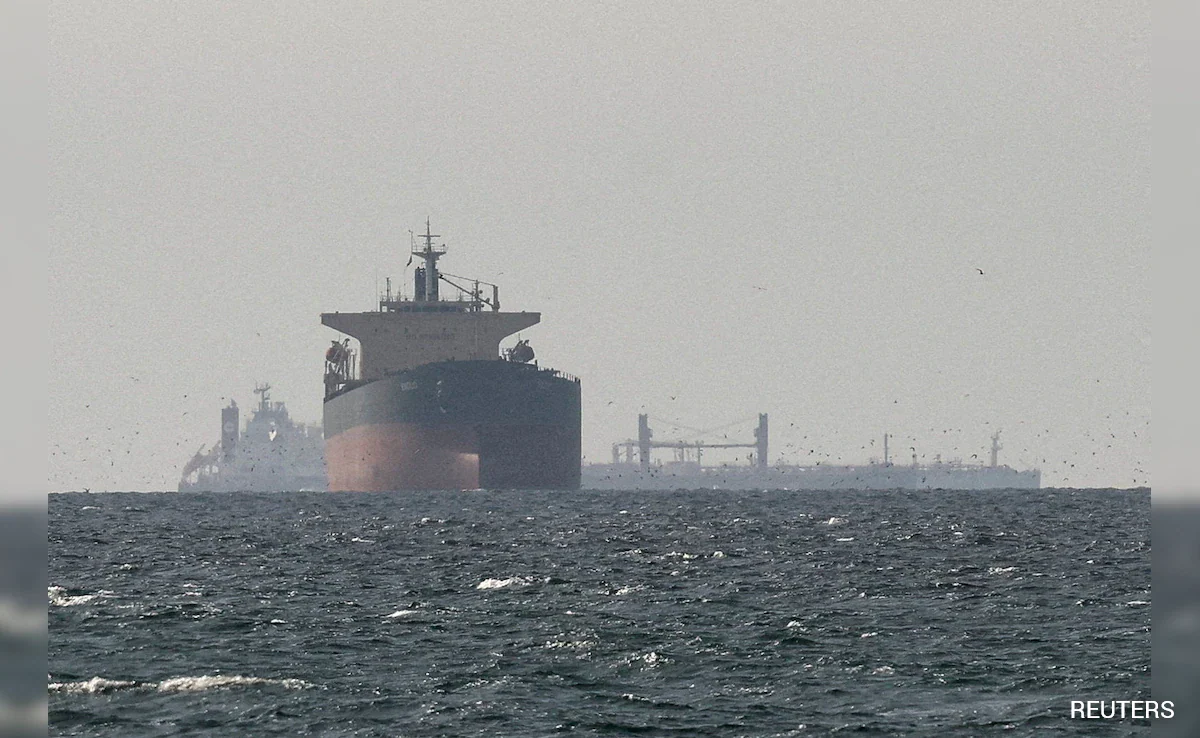
Oil prices surged past $100 as markets reacted to the announcement by the United States Central Command, which is part of the Department of Defense. The US intends to implement a naval blockade around Iranian ports aimed at curbing Iranian oil exports and preventing tolls in the strategic Strait of Hormuz.
Following the announcement, US crude oil, known as West Texas Intermediate, increased by 8 percent, reaching $104.24 per barrel. Similarly, Brent crude experienced a rise of 7 percent, climbing to $102.29 per barrel. Prior to the geopolitical tensions, Brent crude had stabilized at approximately $70, subsequently spiking to over $119 after the onset of war in late February. The price had cooled to $95 ahead of peace negotiations, but those hopes dissipated as US-Iran talks fell through.
Importance of the Strait of Hormuz
The Strait of Hormuz is significant as it is a transit route for approximately one-fifth of the world’s oil trade on a daily basis. Countries such as Saudi Arabia, Iraq, the UAE, Kuwait, and Iran rely heavily on this passage for their oil exports. As the US reinforces its blockade, fears surrounding the safety of tankers have intensified, leading to a decrease in shipping activity.
With the risk to vessel safety increasing, shipping companies are likely to face higher freight and insurance costs, resulting in slower delivery times for oil shipments. These changes are contributing to renewed market volatility as supply chain concerns begin to escalate.
Geopolitical Developments and Economic Impacts
The announcement of these military measures comes amidst a fragile ceasefire situation in the region, with peace talks in Islamabad also experiencing setbacks. The failure of these discussions further exacerbates existing fears around oil supply, causing stocks to decline and the dollar to strengthen against other currencies.
S&P 500 futures dropped by 1 percent, while Asian stock indices also experienced declines. The strengthening dollar has led to decreased performance of risk currencies such as the Australian dollar and the British pound. In addition, US Treasury futures slipped as traders anticipated renewed inflationary pressures linked to rising oil prices.
As the market shifts back to pre-ceasefire conditions, analysts highlight a new fear: the potential for a resumption of strikes that could impact energy infrastructure throughout the region. This ongoing risk is sustaining oil prices above the $100 threshold, creating a climate of increased nervousness in global markets.
Conclusion
The implications of the US blockade around Iranian ports extend beyond immediate oil price spikes. With ongoing tensions and the potential for disruptions in shipping routes, the energy market is responding with heightened volatility. Investors and analysts will continue to monitor the situation closely as developments unfold, particularly regarding how these geopolitical maneuvers may further influence global energy prices and economic stability.