
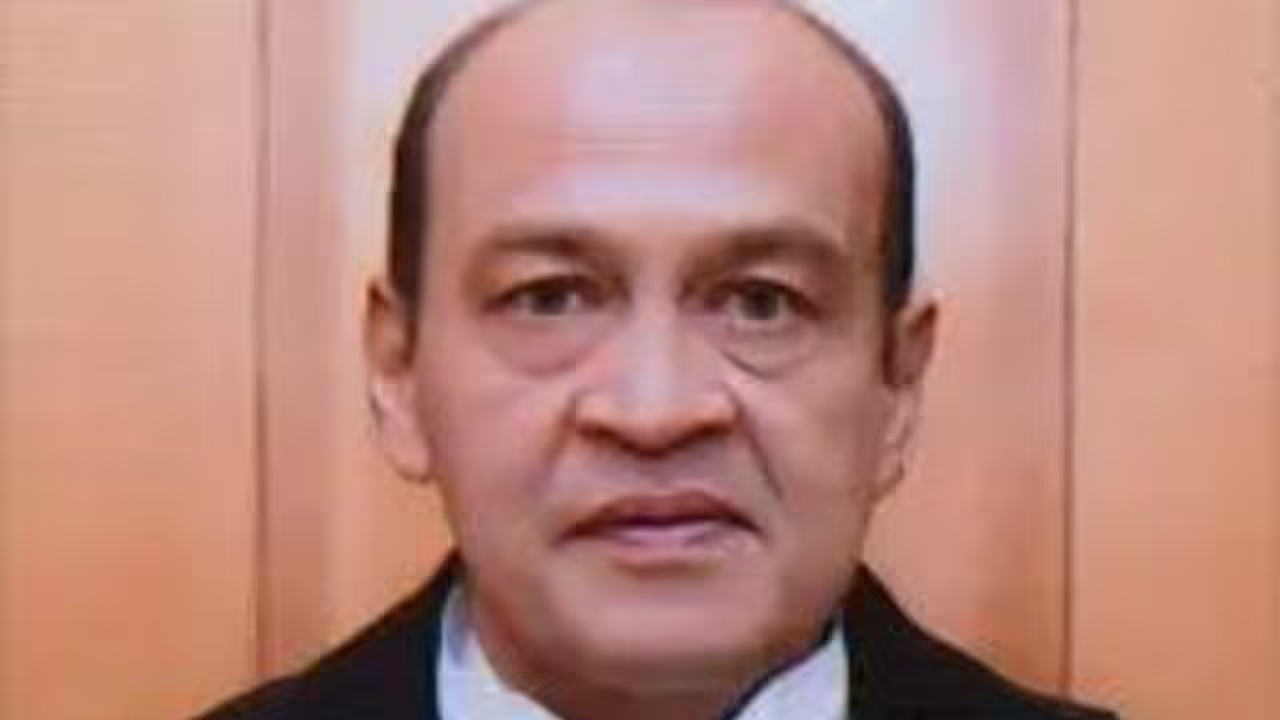
Justice Yashwant Varma Resigns Amid Cash Recovery Controversy
Resignation During Impeachment Proceedings
Justice Yashwant Varma submitted his resignation to the President on Friday amidst a growing controversy involving alleged unaccounted cash and the impeachment process against him. The resignation follows the initiation of impeachment proceedings in Parliament, according to reports.
Justice Varma, who served in the Allahabad High Court, was previously transferred from the Delhi High Court following the emergence of allegations regarding the cash recovery incident. He took oath of office on April 5 of the previous year and was placed under an in-house inquiry led by the Supreme Court, which later recommended further actions.
Details of the Allegations
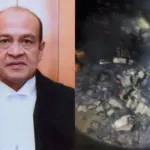
The controversy primarily revolves around the recovery of significant amounts of unaccounted cash that occurred after a fire broke out in a storeroom at Justice Varma’s official residence on March 14. Firefighters responding to the incident discovered the cash on the premises, even though Justice Varma was not present at the time of the blaze.
The incident prompted an in-house inquiry by the Supreme Court. Conclusive findings from this inquiry eventually led to the initiation of impeachment proceedings within Parliament.
Parliamentary Action and Committee Formation
The Speaker of the Lok Sabha accepted an impeachment motion that had garnered the signatures of 146 Members of Parliament. Subsequently, a three-member investigative committee was established to examine the allegations against Justice Varma. The committee included notable figures such as Justice Amit Kumar, Justice Maninder Mohan Srivastava, and B B Acharya.
During preliminary hearings, the Supreme Court raised questions regarding Justice Varma’s decision to participate in the inquiry process without challenging it initially and only later expressing objections. Justice Varma contended that the inquiry proceedings were unconstitutional, and he challenged both the findings of the inquiry as well as the recommendation made by former Chief Justice of India Sanjiv Khanna to proceed with the impeachment.
Follow US
https://www.facebook.com/charchaexpress
https://www.youtube.com/@charcha-express
https://www.instagram.com/charcha.express/
Contents
Resignation During Impeachment ProceedingsJustice Yashwant Varma submitted his resignation to the President on Friday amidst a growing controversy involving alleged unaccounted cash and the impeachment process against him. The resignation follows the initiation of impeachment proceedings in Parliament, according to reports.Justice Varma, who served in the Allahabad High Court, was previously transferred from the Delhi High Court following the emergence of allegations regarding the cash recovery incident. He took oath of office on April 5 of the previous year and was placed under an in-house inquiry led by the Supreme Court, which later recommended further actions.Details of the AllegationsThe controversy primarily revolves around the recovery of significant amounts of unaccounted cash that occurred after a fire broke out in a storeroom at Justice Varma’s official residence on March 14. Firefighters responding to the incident discovered the cash on the premises, even though Justice Varma was not present at the time of the blaze.The incident prompted an in-house inquiry by the Supreme Court. Conclusive findings from this inquiry eventually led to the initiation of impeachment proceedings within Parliament.Parliamentary Action and Committee FormationThe Speaker of the Lok Sabha accepted an impeachment motion that had garnered the signatures of 146 Members of Parliament. Subsequently, a three-member investigative committee was established to examine the allegations against Justice Varma. The committee included notable figures such as Justice Amit Kumar, Justice Maninder Mohan Srivastava, and B B Acharya.During preliminary hearings, the Supreme Court raised questions regarding Justice Varma’s decision to participate in the inquiry process without challenging it initially and only later expressing objections. Justice Varma contended that the inquiry proceedings were unconstitutional, and he challenged both the findings of the inquiry as well as the recommendation made by former Chief Justice of India Sanjiv Khanna to proceed with the impeachment.