Gig Workers Voice Concerns Amidst Rising Labour Unrest in India
Quiet Protests from Gig Workers
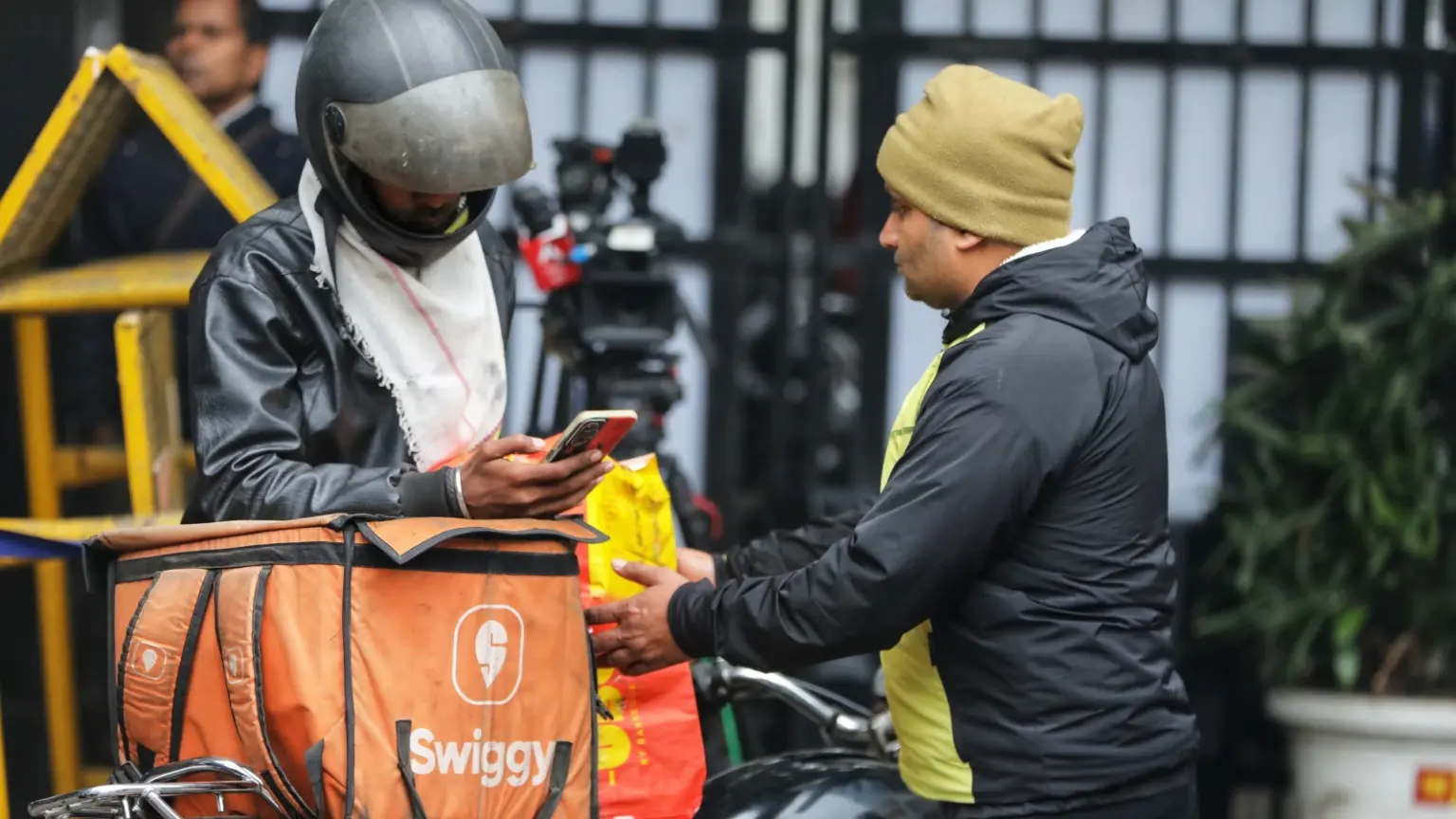
As labour unrest continues to spread across India, gig workers are also making their grievances heard. Workers from Urban Company and delivery riders engaged in the country’s burgeoning quick-commerce sector have recently initiated strikes to advocate for better pay and essential protections. Their collective actions, while not as visible as other protests, underscore an urgent demand for dignity in the fast-evolving platform work landscape.
The root of their dissent lies in the precarious nature of gig work and what has been described as a “phantom boss” that oversees operations through algorithms. These workers often find themselves in a legal grey area, lacking sufficient protections and grievance mechanisms despite the rapid expansion of the sector. The role of algorithms has evolved to become that of an unseen supervisor, controlling crucial elements such as job allocation, ratings, and incentives in ways that many workers deem unclear and hard to challenge.
Specific Demands from Gig Workers
In recent developments, a small group of Urban Company workers participated in strikes that called for fundamental changes, including an eight-hour workday, weekly time off, and access to essential amenities such as drinking water and toilets. Simultaneously, delivery workers in Noida and Greater Noida were also holding their own strike.
Urban Company released data in February indicating that while some workers reported earnings of over Rs 50,000 a month, which exceeds entry-level salaries in the IT sector by approximately 60%, most workers earn significantly less. For the first nine months of FY26, the average income for active workers on the platform was around Rs 28,322 a month. This disparity highlights the pronounced income inequality within platform work, with top earners making up only a small percentage of the workforce.
Income Challenges for Delivery Workers
According to the Q3 FY25 shareholder report from Eternal, the parent company of Zomato and Blinkit, delivery workers who logged at least eight hours a day for 26 days in a month averaged monthly earnings of Rs 27,726, excluding fuel costs. The data indicated that many workers often find it difficult to achieve these earnings without committing to long hours, fundamentally undermining the flexibility that gig work is said to provide.
Much of their income is linked to incentive structures tied to targets, such as completing a designated number of deliveries within specific timeframes. Failure to meet these targets can lead to a loss of earned incentives, thus further complicating the financial landscape for gig workers. Notably, platforms like Swiggy impose penalties for rejected orders, which directly impacts earnings.
Precarity of Gig Work
Critics argue that comparisons between gig workers’ earnings and those of workers in other sectors overlook the precariousness inherent in gig employment. Every moment spent in protest translates to lost income, which poses a significant challenge for many workers who are often the sole breadwinners for their families. This financial pressure complicates collective action efforts, as not all workers have the luxury to forgo earnings during strikes.
Many gig workers relate to the broader struggle of industrial workers who are also raising their voices in the current wave of unrest. They see parallels in the treatment they have received from management during past strikes and the narratives used to characterize their actions. Such experiences remain fresh in their minds, evoking feelings of solidarity while simultaneously fostering a sense of caution.
Opaque Algorithms and Worker Autonomy
Workers describe the algorithmic oversight as a pervasive but enigmatic presence that allocates tasks, regulates compensation, and assesses performance without transparency. Penalties for average declines or rejected tasks are rarely communicated, which complicates accountability. The lack of a human supervisor adds to the challenges workers face in navigating an increasingly tenuous work environment.
As gig workers continue to adjust their schedules and work strategies in response to algorithmic demands, their perception of autonomy changes. What is marketed as flexible work often engenders a continuous obligation to stay active on the platform, accept numerous orders, and maintain high performance metrics to avoid a drop in priority within the system.