Challenges Faced by Farmers Amid Political Strife in Bengal’s Potato Belt
Historical Context and Current Political Landscape
In 2006, Mamata Banerjee initiated a significant anti-land acquisition movement that aimed to prevent the Left Front government from acquiring fertile agricultural land in Singur, Hooghly district for a Tata Motors plant. This movement was pivotal in changing the political dynamics in West Bengal, leading to the decline of the Left’s long-standing rule. As Banerjee seeks to secure a fourth consecutive term, the potato belt is once again at the forefront of political discussions during a heated election campaign.
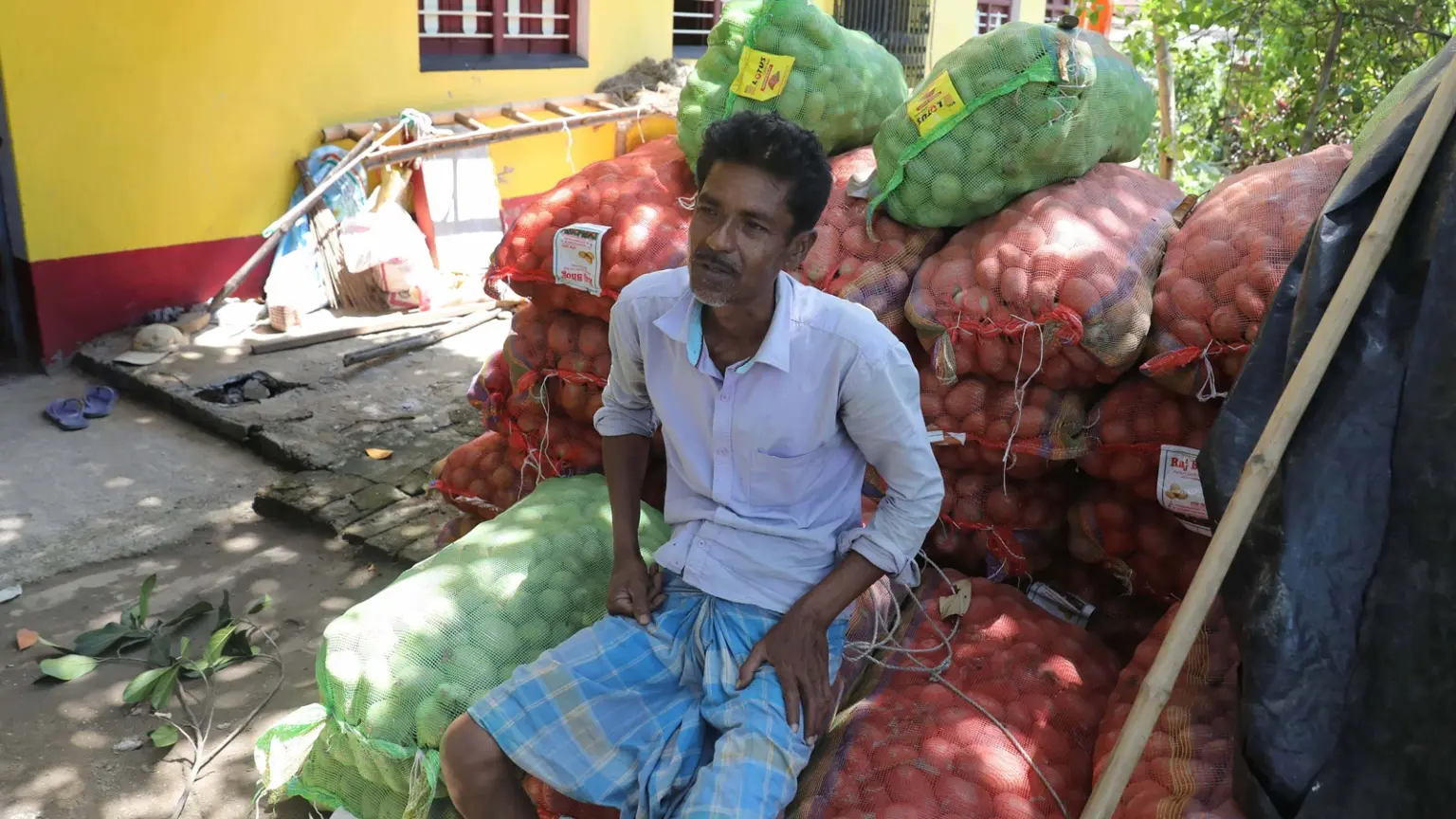
This year, the potato production in West Bengal reached an impressive 140 lakh tonnes, attributed to favorable weather conditions. However, while the agricultural output has increased, many farmers in the region, particularly in Meghsar, are grappling with unsold produce amidst a significant surplus.
Political Exchanges Ahead of Elections
With the assembly elections approaching, political tensions have intensified in the potato-producing regions. Union Home Minister Amit Shah recently criticized the ruling Trinamool Congress (TMC) government, alleging it obstructs farmers from accessing larger markets. In response, Chief Minister Mamata Banerjee criticized the Bharatiya Janata Party (BJP) for spreading misinformation and neglecting the issues faced by rural communities.
During her visit to Hooghly district, Banerjee emphasized that the state government is proactive in providing support to farmers affected by natural calamities and stated that they receive full compensation without any cost to them, as well as access to modern agricultural tools and expanded cold storage facilities.
Farmers’ Perspectives on the Crisis
Despite the political back-and-forth, local farmers express that the challenges they face transcend party politics. In Meghsar village, Debabrata Bera is trying to sell 800 bags of potatoes that remain unsold, highlighting the labor-intensive nature of their work over the past three months. His experience is echoed by his elderly mother, who has not received benefits promised under various government schemes.
Another farmer, Debabrata Das, raised concerns over the economic viability of potato farming, indicating that costs far exceed earnings. He explained that while cultivating 10 bighas of land incurs expenses around Rs 40,000 per bigha, returns are falling short, with prices dropping significantly in local markets. Meanwhile, restrictions on inter-state movement of produce have also complicated sales.
Farmers like Biplab Bera have voiced their frustration at the current market prices, noting that the value they receive for their labor is disproportionate to their efforts. They fear long-term implications of these losses on their livelihoods, which contribute to the overall agricultural sector in the region.
Market Conditions and Supply Chain Issues
The surplus production has revealed systemic issues within the agricultural market. At a prominent cold storage facility, the extent of the excess is evident, with thousands of bags stored in hopes of better prices in the future. The owner attributes this year’s high yield to an extended period of favorable weather conditions.
Despite the promising output, industry experts warn that farmers are experiencing severe losses due to a combination of factors, including a short cultivation window and market access limitations. The West Bengal Cold Storage Association notes that nearly half of the potato harvest exceeds local demand, underscoring the need for regulatory adjustments to facilitate the movement of surplus produce to better-suited markets.
Even with the potential for increased efficiency through technology, such as conveyor belts in storage facilities, farmers require more substantial assistance from policymakers to address the ongoing crisis. The significant gap between what farmers earn and what consumers pay raises further concerns about the sustainability of the agricultural sector in West Bengal.