Delhi Implements GRAP-II Amid Deteriorating Air Quality
Enforcement of GRAP-II Rules
Delhi’s Environment Minister, Gopal Rai, announced on Tuesday the enforcement of the Graded Response Action Plan (GRAP-II) across North India following a significant increase in the Air Quality Index (AQI), which has surpassed 300. During a briefing, Rai detailed five new initiatives incorporated into the GRAP-II framework aimed at tackling the deteriorating air quality in the region.
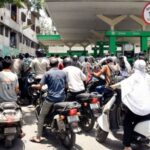
Measures include regulation of diesel generators, an increase in the frequency of metro and bus services, and heightened parking fees to discourage the use of personal vehicles. These actions are designed to mitigate dust and vehicular pollution, which have been flagged as contributors to the current air quality crisis.
Current Air Quality Status
The implementation of GRAP-II comes after the overall AQI in Delhi-NCR dropped into the ‘Very Poor’ category, with a recorded daily average AQI of 310, as noted in a bulletin from the Central Pollution Control Board (CPCB). The Commission for Air Quality Management (CAQM) mandated GRAP-II after reviewing the alarming air quality metrics.
According to forecasts from the India Meteorological Department (IMD) and the Indian Institute of Tropical Meteorology (IITM), there is an expectation that Delhi’s daily average AQI will remain in the ‘Very Poor’ category (AQI 301-400) due to unfavorable weather and climatic conditions. This prompted a meeting by the CAQM’s Sub-Committee to evaluate the air quality situation in the National Capital Region (NCR).
Implementation of Action Plan
The CPCB’s order stipulates immediate implementation of all actions outlined in Stage II of the GRAP for Very Poor Air Quality from 8:00 AM on October 22, 2024. This regulatory framework supplements the existing Stage-I actions that are already in effect throughout the NCR.
The 11-point action plan includes directives for relevant agencies, such as the Pollution Control Boards and the Delhi Pollution Control Committee (DPCC), to conduct daily mechanical vacuum sweeping and water sprinkling on designated roads. It emphasizes the necessity of water sprinkling and employing dust suppressants at least every alternate day during off-peak hours to control road dust, particularly in hot spots and heavily trafficked areas.
Additional Guidelines and Public Participation
Furthermore, the plan obligates proper disposal of collected dust at designated sites or landfills and calls for intensified inspections to enforce dust control measures at construction and demolition (C&D) sites. The CAQM has highlighted the importance of focused actions for air pollution reduction in the NCR’s identified pollution hotspots.
In an effort to reduce reliance on alternative power-generating devices, the CAQM has advocated for a continuous power supply and strict adherence to the operation schedules for diesel generators across all sectors, including industrial, commercial, residential, and office environments.
The public is urged to utilize public transport systems, minimize the use of personal vehicles, and regularly change air filters in their cars as part of the initiative. The Sub-Committee encourages residents to take proactive steps, such as choosing less congested routes, avoiding construction activities that produce dust, and refraining from open burning of solid waste and biomass.
These measures aim to engage citizens in the effective implementation of the GRAP initiatives, ultimately aimed at improving and sustaining air quality in the region.