Capcom has been experiencing a productive period, having launched successful titles such as Resident Evil Requiem in February and Monster Hunter Stories 3: Twisted Reflection in March. Following these achievements, the company released Pragmata, a new third-person sci-fi action-adventure game, on April 17. Remarkably, Capcom managed to deliver three games within a span of less than three months without encountering significant issues.
As a new intellectual property, Pragmata faces the challenge of establishing itself without the advantage of pre-existing fan sentiment. While beloved franchises can be forgiven for their imperfections, new titles do not enjoy the same leniency. Pragmata aims to carve out its identity in the genre by blending classic action-adventure elements with novel gameplay mechanics.
Gameplay and Storyline
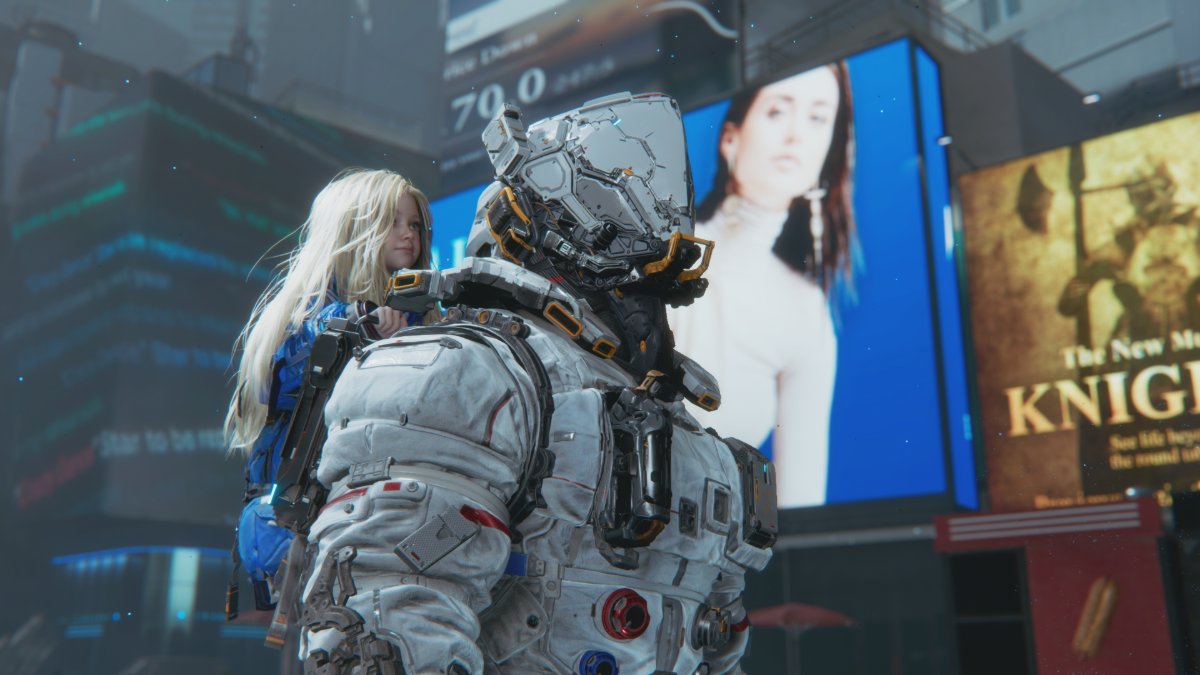
The narrative of Pragmata revolves around Hugh Williams, a systems engineer, and Diana, a child-like android, who find themselves in a lunar research station that has stopped responding to communications. Initially sent to investigate the communication blackout, Hugh’s team discovers the facility, known as the Cradle, abandoned under mysterious circumstances. A Moonquake subsequently wreaks havoc in the station, separating the team members and leaving them unconscious. Hugh is awakened by Diana, an android created from a special material derived from lunar ore, who possesses crucial knowledge about the Cradle and its systems.
Pragmata establishes a premise that draws influences from successful titles such as The Last of Us and Dead Space but leans towards a lighter tone with a more humorous approach. As the duo ventures through the abandoned research station, they must confront a rogue AI caretaker named IDUS, who has seized control of the facility’s robotic inhabitants. The journey of Hugh and Diana unfolds as they work together to restore communication, locate the members of Hugh’s team, and uncover the events that led to the station’s downfall.
Character Dynamics
At the center of Pragmata lies the developing relationship between Hugh and Diana. From the onset, the bond between the two is evident, with their interactions evolving as they traverse the research station. While Diana exhibits the characteristics of a young child, including a curious demeanor and playful antics, her youthful portrayal adds a distinctive twist to the narrative. Rather than focus on the angst typically associated with similar father-child stories, Capcom presents a more optimistic and light-hearted dynamic.
Though the humor and childlike energy contribute to a less serious tone, some players may question Diana’s portrayal as a child-like android in a setting requiring serious capabilities. Questions arise about the design choices and the narrative reasoning for her behavior, leading to a complex mix of charm and perplexity regarding her characterization.
Combat and Puzzle Mechanics
Diana’s abilities significantly enhance gameplay, particularly in combat scenarios where Hugh relies on her hacking skills to access enemies’ weak points. The action transitions into unique grid puzzles where players solve hack challenges in real-time while navigating combat, creating a compelling blend of shooting and puzzle-solving dynamics. Players must remain alert as they dodge attacks while attempting to execute successful hacks, adding layers of tension during encounters with rogue robots.
The incorporation of various weapons and tactical elements such as the Stasis Net and Decoy Generator introduces a strategic aspect to combat. Players must identify when to switch weapons and employ different strategies to overcome enemies effectively. The unique puzzles interspersed within combat keep players engaged and add complexity to the experience, drawing upon mechanics reminiscent of other popular titles while maintaining its distinct flavor.
Visual Presentation
Pragmata’s visual style evokes comparisons to several notable games but ultimately establishes a unique aesthetic that fits its narrative and themes. The environments and robotic designs hint at a 3D-printed appearance, contributing to the game’s distinct feel while showcasing qualities of familiarity. One of the game’s standout levels recreates a section of New York City, offering players a familiar yet fresh landscape amidst the lunar backdrop.
Conclusion
Despite some inconsistencies in narrative cohesion and character dynamics, Pragmata largely succeeds as a fresh action game. The combination of puzzle-solving and third-person shooting provides a captivating gameplay experience, even as it occasionally dips into familiar territory. While combat encounters may feel repetitive at times, Capcom skillfully avoids overextending the game’s length, ensuring an enjoyable adventure that retains players’ engagement without overstaying its welcome.