Iran and US Negotiations Fall Short of Agreement in Islamabad
Overview of Recent Talks
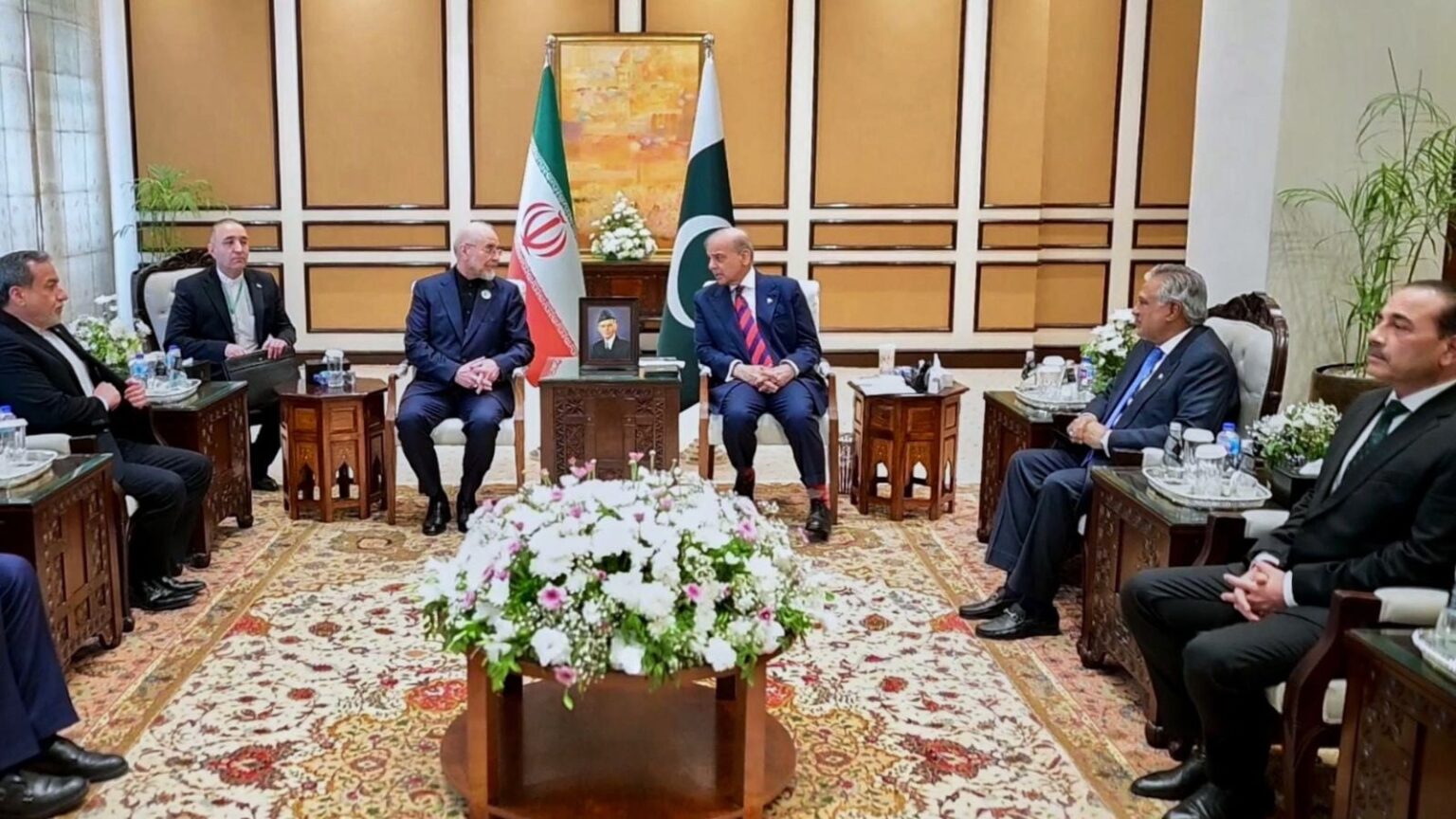
Iran’s Foreign Minister Seyed Abbas Araghchi reported on Monday that negotiations between Iran and the United States, which took place in Islamabad during a two-week ceasefire, were very close to reaching an agreement known as the “Islamabad MoU.” However, he indicated that talks fell apart due to what he described as US “maximalism.”
Araghchi expressed his disappointment in a post on X, stating that Iran had approached the discussions with good intentions aimed at stopping the ongoing conflict in West Asia. He noted, “when just inches away from ‘Islamabad MoU’, we encountered maximalism, shifting goalposts, and blockade.”
Claims of Blockade and Goodwill
In his statements, Araghchi emphasized the importance of goodwill in negotiations, claiming that “zero lessons” have been learned from the process. He reiterated the notion that goodwill breeds goodwill, while hostility leads to further enmity.
During the recent talks, Araghchi stated that Iran had been engaging in negotiations with the US at the highest level in 47 years, highlighting the significance of the discussions.
US Delegation’s Response
Leading the US delegation, Vice President JD Vance addressed the media, explaining that the negotiations faced an impasse due to Iran’s reluctance to compromise on its nuclear program. This sentiment was echoed by senior officials accompanying Vance, including President Donald Trump’s Middle East envoy Steve Witkoff and his son-in-law Jared Kushner.
According to a US official, the primary goal of the talks was to emphasize America’s red lines and identify areas where negotiations could continue. The core concern for US negotiators was to ensure that Iran does not acquire a nuclear weapon, while also addressing other problematic issues raised by Washington.
Red Lines Set by the US
During the Islamabad discussions, several red lines were outlined by the United States regarding Iran’s nuclear activities. The stated conditions included:
– Iran’s commitment to halt uranium enrichment
– The dismantling of major enrichment facilities in Iran
– Allowing the retrieval of highly enriched uranium
– Ending financial support for groups such as Hamas, Hezbollah, and the Houthis
– Establishing a broader framework for regional peace and security
– Opening the Strait of Hormuz for safe passage
Conclusion
The failure to reach an agreement in Islamabad highlights the ongoing tensions between Iran and the US, particularly surrounding Iran’s nuclear program. As both sides navigate these complex negotiations, the prospect of future talks remains uncertain.