

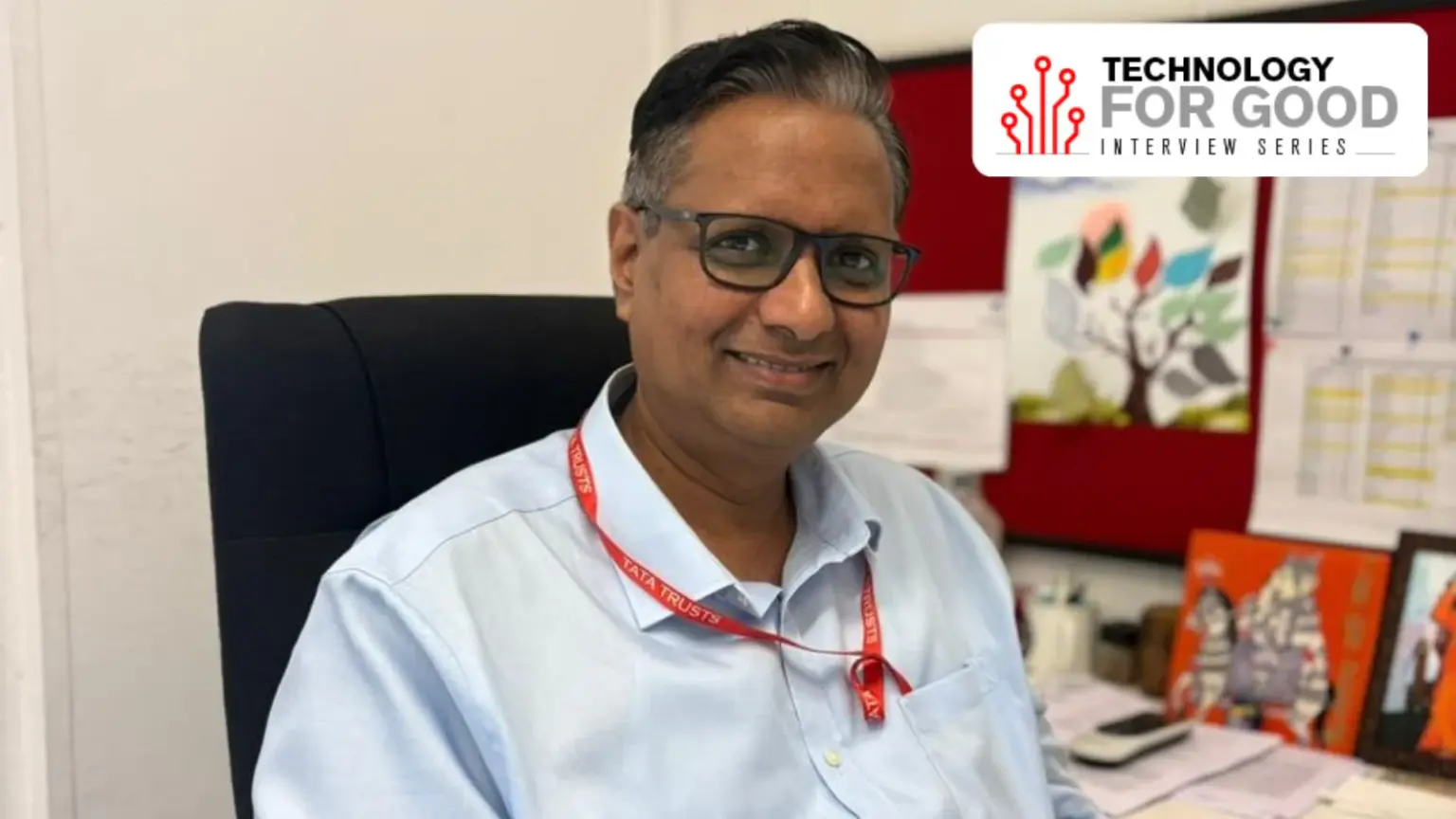
Challenges in Developing Scalable Low-Cost Medical Devices, According to HSD Srinivas of Tata Trusts
Tata Trusts’ Commitment to Healthcare
HSD Srinivas oversees healthcare initiatives at Tata Trusts, a prominent philanthropic organization in India. His efforts focus on enhancing the healthcare landscape through collaborations with government bodies, non-profit organizations, researchers, and innovative startups. Tata Trusts has invested approximately Rs 1,200 crore in health interventions across various domains last year.
Srinivas holds extensive experience, spanning over 34 years in the healthcare sector. His previous roles include leading community health initiatives at Reliance Foundation and holding key positions at L.V. Prasad Eye Institute in Hyderabad and GVK EMRI in Andhra Pradesh. He possesses an engineering degree, an MBA, and has undergone executive training in Healthcare Delivery and Strategy at Harvard Business School.
Focus Areas in Healthcare
As part of Tata Trusts’ healthcare framework, Srinivas highlights four primary areas of focus. The first revolves around cancer care, where they build and equip hospital infrastructure, notably through the Tata Cancer Care Foundation, which operates three hospitals and is planning to develop an additional facility.
The second focus area, overseen by Srinivas, centers on public health initiatives that extend beyond cancer care, primarily aiming to improve primary care services. Nutrition constitutes the third area, while the recent establishment of the Tata Health Care Foundation marks the fourth area, aimed at constructing hospitals in various Indian cities.
Public Health Initiatives and Community Impact
In the realm of public health, the emphasis is laid on primary care interventions, with an investment of around Rs 100 crore each year over the last decade. A significant portion of this effort is directed toward underserved populations, including mothers, children, and the elderly, who are often neglected in health investments that prioritize working males.
Since the launch of the National Rural Health Mission, the Indian government has made strides in addressing the health needs of expectant mothers and children. Tata Trusts focuses on identifying existing issues and proven solutions to amplify these interventions. The organization operates across three major verticals: maternal and child health, non-communicable diseases, and communicable diseases.
Early Digital Health Interventions
Srinivas emphasizes the transformative potential of technology in enhancing healthcare efficiency and equity. Since the rollout of 4G services in rural areas around 2015-16, there has been an opportunity to experiment with new digital health models. Despite telemedicine’s long-standing presence, it faced numerous challenges related to connectivity and community engagement.
With improved broadband networks and affordable data, Tata Trusts has implemented various models, including a hub-and-spoke approach that connects hospitals and primary care units. Initial successes in this area have led to broader acceptance of telemedicine, especially highlighted during the COVID-19 pandemic.
Scaling MedTech Solutions
Tata Trusts adopts a catalytic approach to scale healthcare solutions in India, developing models that demonstrate their effectiveness before collaborating with government entities for wider implementation. For example, their partnership with Dell EMC for a screening platform for non-communicable diseases was adopted across multiple districts, ultimately scaling for national deployment.
The platform currently holds records for approximately 55 crore adults, indicating substantial reach within healthcare. In Telangana, connecting multiple health centers minimized patient travel, emphasizing technology’s role in enhancing accessibility and efficiency.
Challenges and Future Directions
Challenges in deploying MedTech in rural India include systemic issues in government outreach and technology adoption. Srinivas points out that while a significant portion of the population has access to healthcare, there remains a need to bridge gaps in power and connectivity for the remaining segments.
Moreover, maintaining data integrity and adopting technological solutions has been a challenge. Efforts to create reliable systems and improve data collection practices, facilitated by AI advancements, are underway to enhance healthcare delivery.
Innovations and Emerging Technologies
Srinivas expresses optimism about promising technologies. Wearable devices, genome mapping, and AI-led diagnostics are seen as pivotal for future healthcare advancements. He emphasizes the importance of integrating patient education and empowerment within healthcare systems to democratize access to reliable information.
However, he also notes challenges associated with competing technologies and the need for cohesive solutions to effectively address healthcare challenges. Recent collaborations have focused on diagnostics and surveillance, assisting in transitioning innovations from lab environments to practical applications in rural settings.
Insights into Startups and Collaboration
Tata Trusts actively encourages startups through the India Health Fund, which focuses on addressing diseases like tuberculosis and malaria. Successful partnerships include collaborations with Molbio Diagnostics and Qure.ai, demonstrating a commitment to fostering innovative solutions in healthcare.
In summary, HSD Srinivas emphasizes the necessity for continuous improvement in quality and accessibility within public health systems in India, paving the way for broader and more effective healthcare access for all. The journey towards scalable, low-cost medical solutions continues to face challenges, yet the prospects remain promising as innovation flourishes.
Follow US
https://www.facebook.com/charchaexpress
https://www.youtube.com/@charcha-express
https://www.instagram.com/charcha.express/
Contents
Tata Trusts’ Commitment to HealthcareHSD Srinivas oversees healthcare initiatives at Tata Trusts, a prominent philanthropic organization in India. His efforts focus on enhancing the healthcare landscape through collaborations with government bodies, non-profit organizations, researchers, and innovative startups. Tata Trusts has invested approximately Rs 1,200 crore in health interventions across various domains last year.Srinivas holds extensive experience, spanning over 34 years in the healthcare sector. His previous roles include leading community health initiatives at Reliance Foundation and holding key positions at L.V. Prasad Eye Institute in Hyderabad and GVK EMRI in Andhra Pradesh. He possesses an engineering degree, an MBA, and has undergone executive training in Healthcare Delivery and Strategy at Harvard Business School.Focus Areas in HealthcareAs part of Tata Trusts’ healthcare framework, Srinivas highlights four primary areas of focus. The first revolves around cancer care, where they build and equip hospital infrastructure, notably through the Tata Cancer Care Foundation, which operates three hospitals and is planning to develop an additional facility.The second focus area, overseen by Srinivas, centers on public health initiatives that extend beyond cancer care, primarily aiming to improve primary care services. Nutrition constitutes the third area, while the recent establishment of the Tata Health Care Foundation marks the fourth area, aimed at constructing hospitals in various Indian cities.Public Health Initiatives and Community ImpactIn the realm of public health, the emphasis is laid on primary care interventions, with an investment of around Rs 100 crore each year over the last decade. A significant portion of this effort is directed toward underserved populations, including mothers, children, and the elderly, who are often neglected in health investments that prioritize working males.Since the launch of the National Rural Health Mission, the Indian government has made strides in addressing the health needs of expectant mothers and children. Tata Trusts focuses on identifying existing issues and proven solutions to amplify these interventions. The organization operates across three major verticals: maternal and child health, non-communicable diseases, and communicable diseases.Early Digital Health InterventionsSrinivas emphasizes the transformative potential of technology in enhancing healthcare efficiency and equity. Since the rollout of 4G services in rural areas around 2015-16, there has been an opportunity to experiment with new digital health models. Despite telemedicine’s long-standing presence, it faced numerous challenges related to connectivity and community engagement.With improved broadband networks and affordable data, Tata Trusts has implemented various models, including a hub-and-spoke approach that connects hospitals and primary care units. Initial successes in this area have led to broader acceptance of telemedicine, especially highlighted during the COVID-19 pandemic.Scaling MedTech SolutionsTata Trusts adopts a catalytic approach to scale healthcare solutions in India, developing models that demonstrate their effectiveness before collaborating with government entities for wider implementation. For example, their partnership with Dell EMC for a screening platform for non-communicable diseases was adopted across multiple districts, ultimately scaling for national deployment.The platform currently holds records for approximately 55 crore adults, indicating substantial reach within healthcare. In Telangana, connecting multiple health centers minimized patient travel, emphasizing technology’s role in enhancing accessibility and efficiency.Challenges and Future DirectionsChallenges in deploying MedTech in rural India include systemic issues in government outreach and technology adoption. Srinivas points out that while a significant portion of the population has access to healthcare, there remains a need to bridge gaps in power and connectivity for the remaining segments.Moreover, maintaining data integrity and adopting technological solutions has been a challenge. Efforts to create reliable systems and improve data collection practices, facilitated by AI advancements, are underway to enhance healthcare delivery.Innovations and Emerging TechnologiesSrinivas expresses optimism about promising technologies. Wearable devices, genome mapping, and AI-led diagnostics are seen as pivotal for future healthcare advancements. He emphasizes the importance of integrating patient education and empowerment within healthcare systems to democratize access to reliable information.However, he also notes challenges associated with competing technologies and the need for cohesive solutions to effectively address healthcare challenges. Recent collaborations have focused on diagnostics and surveillance, assisting in transitioning innovations from lab environments to practical applications in rural settings.Insights into Startups and CollaborationTata Trusts actively encourages startups through the India Health Fund, which focuses on addressing diseases like tuberculosis and malaria. Successful partnerships include collaborations with Molbio Diagnostics and Qure.ai, demonstrating a commitment to fostering innovative solutions in healthcare.In summary, HSD Srinivas emphasizes the necessity for continuous improvement in quality and accessibility within public health systems in India, paving the way for broader and more effective healthcare access for all. The journey towards scalable, low-cost medical solutions continues to face challenges, yet the prospects remain promising as innovation flourishes.