

Iran-US Ceasefire Negotiations Underway Amid Tensions
Diplomatic Developments in Islamabad
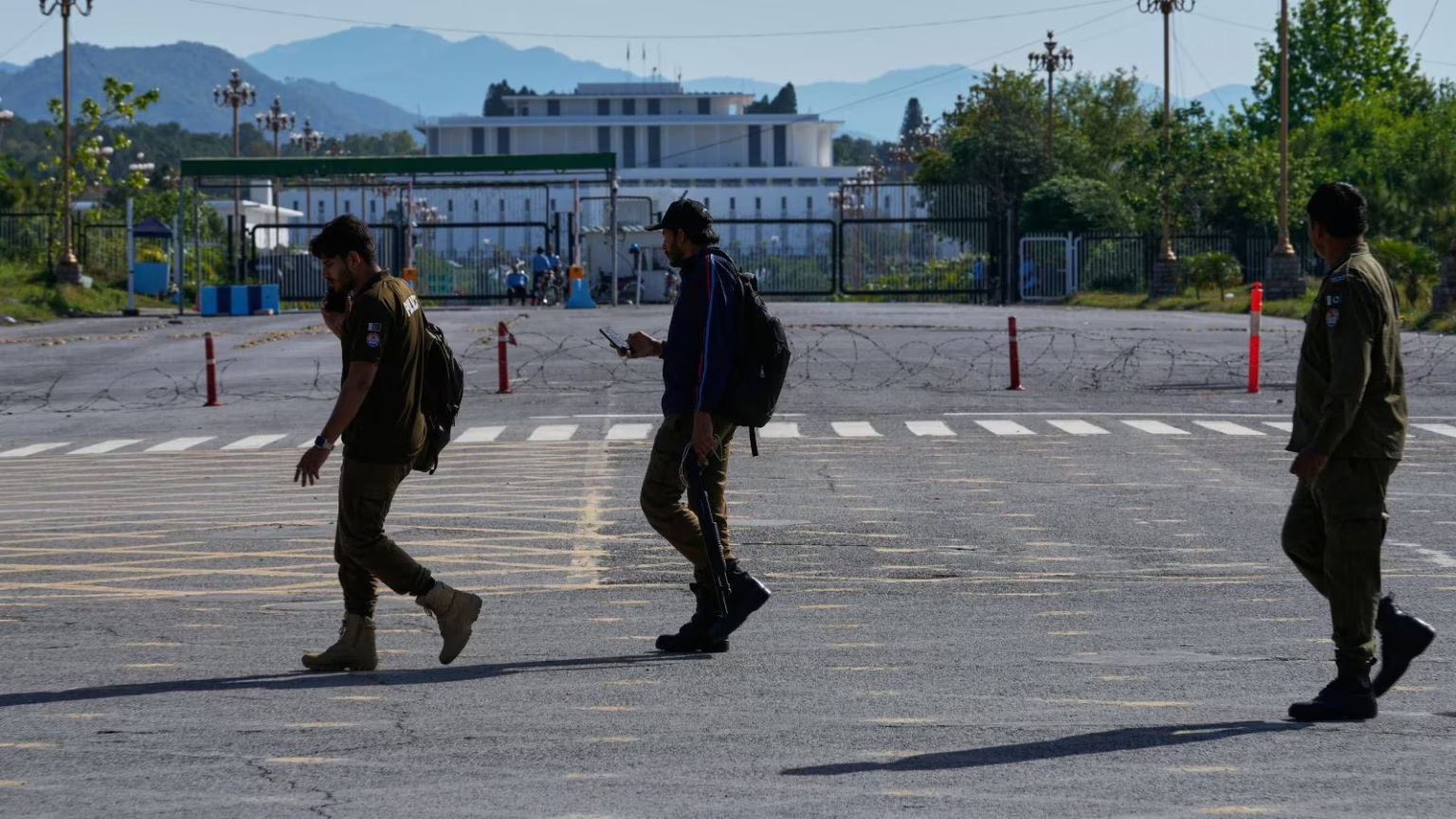
Police presence has heightened in Islamabad, Pakistan, in anticipation of crucial negotiations between Iran and the United States aimed at addressing ongoing tensions in the region. Senior Iranian officials, including Parliament Speaker Mohammad Bagher Ghalibaf and Foreign Minister Abbas Araghchi, have arrived in the city as part of a high-level delegation to engage in talks that are expected to impact both a fragile ceasefire and broader regional stability.
The Iranian delegation’s arrival indicates a willingness to enter negotiations; however, Tehran has stipulated specific conditions that must be met prior to formal discussions. Among these conditions is a requirement for a ceasefire in Lebanon.
Warnings from the United States
US President Donald Trump has issued a warning regarding potential military actions if the forthcoming talks with Iran do not yield favorable results. In an interview with the New York Post, Trump stated that US naval forces are being prepared in anticipation of unsuccessful diplomacy. He mentioned, “We’re loading up the ships with the best ammunition… and if we don’t have a deal, we will be using them, and we will be using them very effectively.” Trump noted that a clearer understanding of the situation could emerge within the next 24 hours.
US Delegation’s Stance
Vice President JD Vance, who is leading the American negotiating team, emphasized the US’s openness to dialogue, stating, “If the Iranians are willing to negotiate in good faith, we are certainly willing to extend an open hand.” Vance also warned that any attempts by Iran to manipulate the negotiation process would not be welcomed by Washington.
As the discussions are set to commence, President Trump expressed his well-wishes for Vance, suggesting that a critical decision point could arise shortly after the talks begin.
Iran’s Conditions for Negotiation
During the lead-up to the negotiations, Ghalibaf reiterated Iran’s position that a ceasefire in Lebanon must be achieved “before negotiations begin,” introducing an element of uncertainty to the peace talks.
Officials from Lebanon have indicated that they will meet with an Israeli delegation in Washington next week to discuss broader issues, although Israel has previously ruled out any ceasefire agreements with Hezbollah, which adds further complexity to the situation.
Continuing Coverage
As negotiations progress, updates will continue to be provided through various media outlets, including real-time coverage and geolocated footage related to the developments. This includes live reactions from officials in both the Pentagon and Tehran.
Follow US
https://www.facebook.com/charchaexpress
https://www.youtube.com/@charcha-express
https://www.instagram.com/charcha.express/
Contents
Diplomatic Developments in IslamabadPolice presence has heightened in Islamabad, Pakistan, in anticipation of crucial negotiations between Iran and the United States aimed at addressing ongoing tensions in the region. Senior Iranian officials, including Parliament Speaker Mohammad Bagher Ghalibaf and Foreign Minister Abbas Araghchi, have arrived in the city as part of a high-level delegation to engage in talks that are expected to impact both a fragile ceasefire and broader regional stability.The Iranian delegation’s arrival indicates a willingness to enter negotiations; however, Tehran has stipulated specific conditions that must be met prior to formal discussions. Among these conditions is a requirement for a ceasefire in Lebanon.Warnings from the United StatesUS President Donald Trump has issued a warning regarding potential military actions if the forthcoming talks with Iran do not yield favorable results. In an interview with the New York Post, Trump stated that US naval forces are being prepared in anticipation of unsuccessful diplomacy. He mentioned, “We’re loading up the ships with the best ammunition… and if we don’t have a deal, we will be using them, and we will be using them very effectively.” Trump noted that a clearer understanding of the situation could emerge within the next 24 hours.US Delegation’s StanceVice President JD Vance, who is leading the American negotiating team, emphasized the US’s openness to dialogue, stating, “If the Iranians are willing to negotiate in good faith, we are certainly willing to extend an open hand.” Vance also warned that any attempts by Iran to manipulate the negotiation process would not be welcomed by Washington.As the discussions are set to commence, President Trump expressed his well-wishes for Vance, suggesting that a critical decision point could arise shortly after the talks begin.Iran’s Conditions for NegotiationDuring the lead-up to the negotiations, Ghalibaf reiterated Iran’s position that a ceasefire in Lebanon must be achieved “before negotiations begin,” introducing an element of uncertainty to the peace talks.Officials from Lebanon have indicated that they will meet with an Israeli delegation in Washington next week to discuss broader issues, although Israel has previously ruled out any ceasefire agreements with Hezbollah, which adds further complexity to the situation.Continuing CoverageAs negotiations progress, updates will continue to be provided through various media outlets, including real-time coverage and geolocated footage related to the developments. This includes live reactions from officials in both the Pentagon and Tehran.