
27 Lakh Voters Removed from West Bengal Electoral Rolls Following Adjudication
High Deletions in Murshidabad District
Shamsherganj and Lalgola constituencies in Murshidabad district, which has a significant Muslim population, saw the highest numbers of voter deletions after post-SIR judicial adjudication according to data released by the Election Commission on Thursday. In Shamsherganj, 74,775 out of 1,08,400 names undergoing adjudication were removed from the electoral rolls. Similarly, Lalgola recorded 55,420 deletions from a total of 99,082 names under review, contributing to a total of 27 lakh voters who were purged as per the supplementary rolls. The overall voter count in West Bengal now stands at approximately 6.7 crore.
Other Affected Areas
Beyond Murshidabad, notable numbers of deletions were also reported in districts such as Malda, North Dinajpur, South 24-Parganas, and Birbhum. Areas with a significant Matua population, including parts of North 24-Parganas and Nadia, also experienced losses in their voter rolls. The electoral rolls for the 142 constituencies set to vote in the second phase on April 29 were frozen on Thursday, prohibiting any further alterations until the conclusion of the elections. Meanwhile, the lists for the other 152 constituencies that will participate in the first phase had already been sealed on April 6.
Legal Considerations and Community Reactions
The Supreme Court is scheduled to hear the West Bengal government’s plea for a review on April 13, presenting a brief opportunity for the 27 lakh voters who have been removed from the rolls. The extent of deletions in Shamsherganj is particularly noteworthy given the recent tensions in the area, including protests related to the Waqf (Amendment) Act and incidents of violence during Ram Navami celebrations.
In the neighboring Malda district, Mothabari has become a focal point of unrest. On April 1, protests concerning the mass deletion of voter names escalated into violent confrontations, with protesters clashing with security forces and surrounding judicial officials for several hours. In Mothabari, over 37,000 out of 79,683 names under adjudication faced removal from the rolls.
In Krishnanagar North, Krishnanagar South, Ranaghat North West, Ranaghat North East, and Ranaghat South, more than 90% of the voters placed under adjudication were found ineligible, while deletions ranged from 67% to 88% across all six assembly segments in Bongaon. The findings have drawn attention from various political leaders.
Political Response
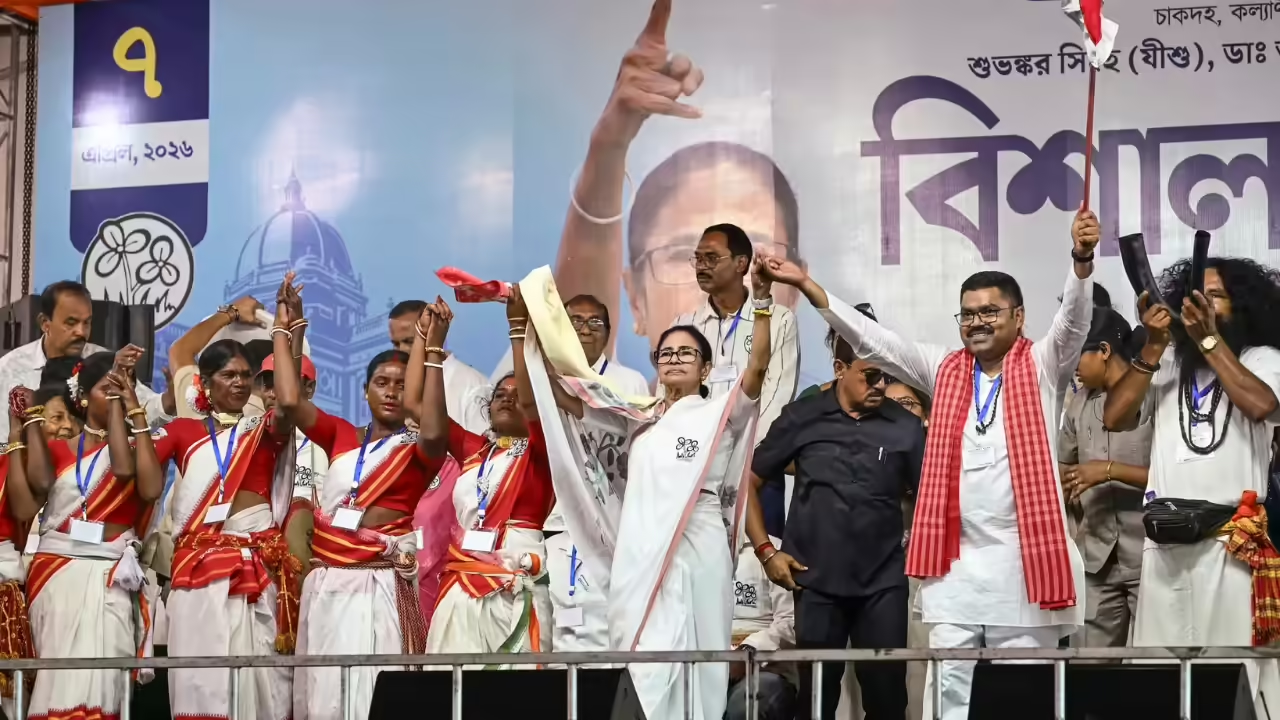
Since the issuance of the deletion data, Chief Minister Mamata Banerjee has voiced concern over what she refers to as “targeted exclusions.” Sukesh Chowdhury, secretary of the All India Matua Mahasangha, expressed that the mass removal from the voters’ list has caused significant anxiety within their community. He reiterated that the Chief Minister’s commitment to provide legal assistance had brought some level of reassurance to those affected.
Additionally, Bikash Ghosh from the BJP’s Bongaon unit stated that the impacted voters would receive support in approaching tribunals to restore their names on the electoral rolls. In contrast, two of the state’s most closely observed constituencies, Bhowanipore in Kolkata and Nandigram in East Midnapore, saw deletions below the state average. In Bhowanipore, where the Chief Minister competes against BJP’s Suvendu Adhikari, 27.5% of voters were deleted, while 32.6% faced deletion in Nandigram, where Adhikari is running against former ally-turned-TMC candidate Pabitra Sarkar.
In Purulia’s Manbazar, only 71 names were removed from the 2,771 voters under adjudication, while Onda in Purulia reported a mere 1% deletion rate, demonstrating stark contrasts in the effects of the electoral roll purging across different regions of West Bengal.
Follow US
https://www.facebook.com/charchaexpress
https://www.youtube.com/@charcha-express
https://www.instagram.com/charcha.express/
Contents
High Deletions in Murshidabad DistrictShamsherganj and Lalgola constituencies in Murshidabad district, which has a significant Muslim population, saw the highest numbers of voter deletions after post-SIR judicial adjudication according to data released by the Election Commission on Thursday. In Shamsherganj, 74,775 out of 1,08,400 names undergoing adjudication were removed from the electoral rolls. Similarly, Lalgola recorded 55,420 deletions from a total of 99,082 names under review, contributing to a total of 27 lakh voters who were purged as per the supplementary rolls. The overall voter count in West Bengal now stands at approximately 6.7 crore.Other Affected AreasBeyond Murshidabad, notable numbers of deletions were also reported in districts such as Malda, North Dinajpur, South 24-Parganas, and Birbhum. Areas with a significant Matua population, including parts of North 24-Parganas and Nadia, also experienced losses in their voter rolls. The electoral rolls for the 142 constituencies set to vote in the second phase on April 29 were frozen on Thursday, prohibiting any further alterations until the conclusion of the elections. Meanwhile, the lists for the other 152 constituencies that will participate in the first phase had already been sealed on April 6.Legal Considerations and Community ReactionsThe Supreme Court is scheduled to hear the West Bengal government’s plea for a review on April 13, presenting a brief opportunity for the 27 lakh voters who have been removed from the rolls. The extent of deletions in Shamsherganj is particularly noteworthy given the recent tensions in the area, including protests related to the Waqf (Amendment) Act and incidents of violence during Ram Navami celebrations.In the neighboring Malda district, Mothabari has become a focal point of unrest. On April 1, protests concerning the mass deletion of voter names escalated into violent confrontations, with protesters clashing with security forces and surrounding judicial officials for several hours. In Mothabari, over 37,000 out of 79,683 names under adjudication faced removal from the rolls.In Krishnanagar North, Krishnanagar South, Ranaghat North West, Ranaghat North East, and Ranaghat South, more than 90% of the voters placed under adjudication were found ineligible, while deletions ranged from 67% to 88% across all six assembly segments in Bongaon. The findings have drawn attention from various political leaders.Political ResponseSince the issuance of the deletion data, Chief Minister Mamata Banerjee has voiced concern over what she refers to as “targeted exclusions.” Sukesh Chowdhury, secretary of the All India Matua Mahasangha, expressed that the mass removal from the voters’ list has caused significant anxiety within their community. He reiterated that the Chief Minister’s commitment to provide legal assistance had brought some level of reassurance to those affected.Additionally, Bikash Ghosh from the BJP’s Bongaon unit stated that the impacted voters would receive support in approaching tribunals to restore their names on the electoral rolls. In contrast, two of the state’s most closely observed constituencies, Bhowanipore in Kolkata and Nandigram in East Midnapore, saw deletions below the state average. In Bhowanipore, where the Chief Minister competes against BJP’s Suvendu Adhikari, 27.5% of voters were deleted, while 32.6% faced deletion in Nandigram, where Adhikari is running against former ally-turned-TMC candidate Pabitra Sarkar.In Purulia’s Manbazar, only 71 names were removed from the 2,771 voters under adjudication, while Onda in Purulia reported a mere 1% deletion rate, demonstrating stark contrasts in the effects of the electoral roll purging across different regions of West Bengal.