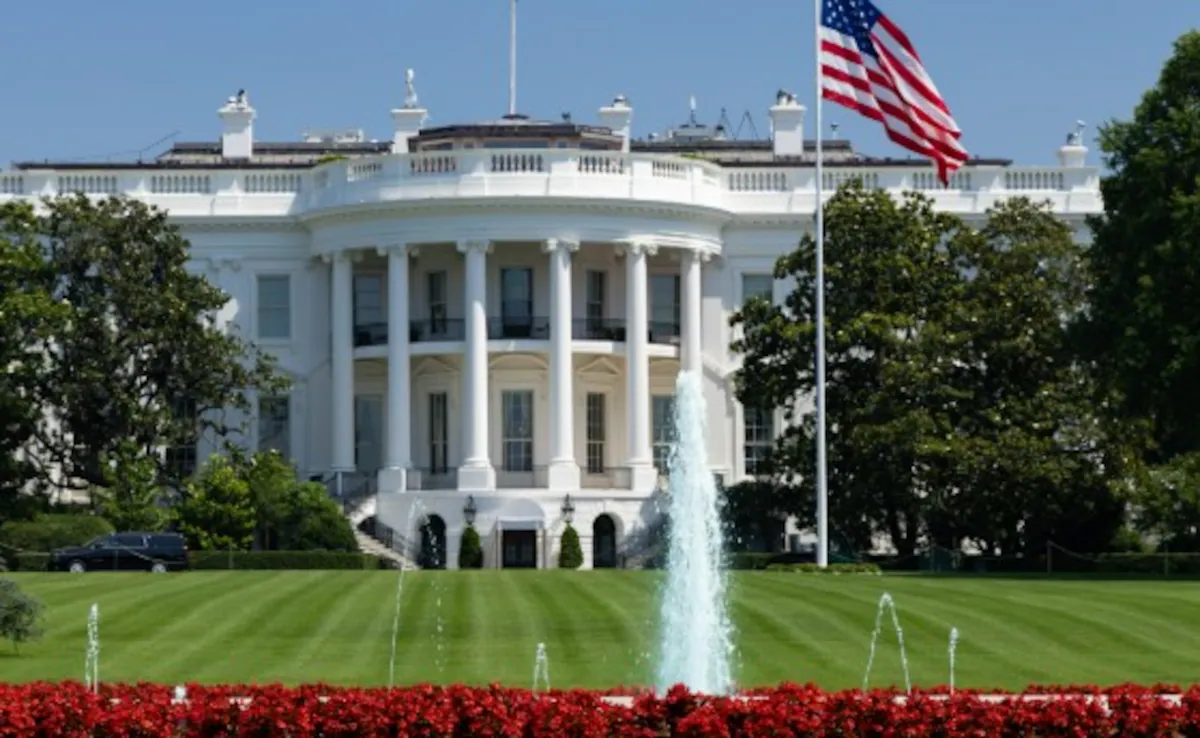
White House Insider Trading: Traders Profit from Leaked War Information
Unusual Trading Patterns Observed
Since the onset of the Iran conflict on February 28, 2026, financial markets have recorded a series of strategically timed trades. Some of these trades occurred mere minutes or hours before significant policy announcements were made public, leading to suspicions of insider trading.
Several traders reportedly profited substantially from these transactions, prompting concerns regarding potential leaks from individuals with insider knowledge. Initially, the White House rejected allegations of officials exploiting confidential information for personal financial gain.
However, an internal warning was subsequently issued to staff, advising them against making trades in futures markets related to sensitive information. Meanwhile, market analysts and legislators have called for thorough investigations into whether private policy decisions were reflected in trades prior to public disclosures.
Key Events of Alleged Insider Activity
In January, reports emerged of suspicious bets on Polymarket preceding U.S. military action in Venezuela, signaling a troubling trend. In the first week of March, traders made significant profits on Polymarket contracts that speculated on a U.S. strike against Iran just hours before it occurred, with anonymous accounts reportedly earning up to $1.2 million.
Between March 22 and 23, substantial oil futures positions were transacted shortly before a White House announcement. At approximately 6:49-6:50 a.m. ET on March 23, nearly $500-$830 million worth of Brent and WTI crude oil futures were traded just ahead of President Trump’s public statement regarding a pause in planned Iranian strikes. Following the announcement, oil prices experienced a sharp decline, which proved profitable for those who had placed bets prior to the news.
In late March, further suspicious trading patterns were detected in prediction markets like Polymarket. Newly established accounts made timely bets on unfolding war developments, suggesting potential insider knowledge. Reports indicated that trading success stemmed from both geopolitical insights and government policy changes.
In early April 2026, just before a two-week ceasefire announcement between the U.S. and Iran, investors placed approximately $950 million in oil futures with expectations of a market shift. Following the ceasefire news, oil prices dropped by 15 percent, benefiting those who made earlier wagers.
White House’s Response to the Allegations
In March, the White House refuted claims of insider trading involving government officials. However, by April, officials circulated an advisory forbidding staff from engaging in trading activities in futures markets that pertain to sensitive policy information. Acknowledging the concerns raised by well-timed trades, officials emphasized that unauthorized profit-taking is not tolerated.
Implications for Market Integrity
The emergence of these trades raises significant questions about market integrity. The consistent pattern of betting preceding major policy announcements could undermine public trust in the fairness of markets.
Concerns revolve around whether traders had access to privileged or leaked information that was not accessible to the broader public. Legislative action is being sought, with some congress members advocating for investigations by the Securities and Exchange Commission (SEC) and the Commodity Futures Trading Commission (CFTC).
Experts highlight that the timeline of these trades appears too precise to be coincidental, suggesting a need for enhanced regulatory scrutiny. Legislative efforts may also aim to expand existing insider trading laws to encompass prediction markets.
Potential Future Developments
The SEC and CFTC may initiate formal investigations into the alleged insider trading activities. Potential changes to insider trading definitions could include the treatment of prediction markets, while lawmakers are likely to consider tightening regulations governing market activities that connect to government decisions.
Follow US
https://www.facebook.com/charchaexpress
https://www.youtube.com/@charcha-express
https://www.instagram.com/charcha.express/
Contents
Unusual Trading Patterns ObservedSince the onset of the Iran conflict on February 28, 2026, financial markets have recorded a series of strategically timed trades. Some of these trades occurred mere minutes or hours before significant policy announcements were made public, leading to suspicions of insider trading.Several traders reportedly profited substantially from these transactions, prompting concerns regarding potential leaks from individuals with insider knowledge. Initially, the White House rejected allegations of officials exploiting confidential information for personal financial gain.However, an internal warning was subsequently issued to staff, advising them against making trades in futures markets related to sensitive information. Meanwhile, market analysts and legislators have called for thorough investigations into whether private policy decisions were reflected in trades prior to public disclosures.Key Events of Alleged Insider ActivityIn January, reports emerged of suspicious bets on Polymarket preceding U.S. military action in Venezuela, signaling a troubling trend. In the first week of March, traders made significant profits on Polymarket contracts that speculated on a U.S. strike against Iran just hours before it occurred, with anonymous accounts reportedly earning up to $1.2 million.Between March 22 and 23, substantial oil futures positions were transacted shortly before a White House announcement. At approximately 6:49-6:50 a.m. ET on March 23, nearly $500-$830 million worth of Brent and WTI crude oil futures were traded just ahead of President Trump’s public statement regarding a pause in planned Iranian strikes. Following the announcement, oil prices experienced a sharp decline, which proved profitable for those who had placed bets prior to the news.In late March, further suspicious trading patterns were detected in prediction markets like Polymarket. Newly established accounts made timely bets on unfolding war developments, suggesting potential insider knowledge. Reports indicated that trading success stemmed from both geopolitical insights and government policy changes.In early April 2026, just before a two-week ceasefire announcement between the U.S. and Iran, investors placed approximately $950 million in oil futures with expectations of a market shift. Following the ceasefire news, oil prices dropped by 15 percent, benefiting those who made earlier wagers.White House’s Response to the AllegationsIn March, the White House refuted claims of insider trading involving government officials. However, by April, officials circulated an advisory forbidding staff from engaging in trading activities in futures markets that pertain to sensitive policy information. Acknowledging the concerns raised by well-timed trades, officials emphasized that unauthorized profit-taking is not tolerated.Implications for Market IntegrityThe emergence of these trades raises significant questions about market integrity. The consistent pattern of betting preceding major policy announcements could undermine public trust in the fairness of markets.Concerns revolve around whether traders had access to privileged or leaked information that was not accessible to the broader public. Legislative action is being sought, with some congress members advocating for investigations by the Securities and Exchange Commission (SEC) and the Commodity Futures Trading Commission (CFTC).Experts highlight that the timeline of these trades appears too precise to be coincidental, suggesting a need for enhanced regulatory scrutiny. Legislative efforts may also aim to expand existing insider trading laws to encompass prediction markets.Potential Future DevelopmentsThe SEC and CFTC may initiate formal investigations into the alleged insider trading activities. Potential changes to insider trading definitions could include the treatment of prediction markets, while lawmakers are likely to consider tightening regulations governing market activities that connect to government decisions.