

A Promise Made by Mamata Banerjee Endures for 18 Years, Overturning Left Dominance
Confrontation on a Quiet Night
Kolkata: In the early hours of a summer night in 1993, the streets of Kolkata fell silent as the clock struck 1 AM. At a deserted crossing on Mayo Road, Mamata Banerjee, then a leader of the Congress party, stood alone. With the iconic Gandhi statue looming nearby, she had just emerged from police custody, taking a moment of solitude following a day marked by turmoil and protests. This night marked the inception of a vow that would persist for the next 18 years.
By then, Banerjee was already recognized as a formidable political figure known for her direct style and grassroots activism. As president of the Youth Congress, she emerged as one of the most promising leaders opposing the tenured Left government in West Bengal. Not only was she an elected Member of Parliament, but she also held the position of Union Minister of State in the cabinet of Prime Minister PV Narasimha Rao.
A Turning Point
On May 6, 1993, Banerjee was confronted with a harrowing case that intensified her commitment to social justice. Dipali Basak, a girl from Nadia district with speech and hearing impairments, had reportedly become pregnant after an alleged rape by a member of the Communist Party of India (Marxist). The local police had dismissed her complaint, escalating the urgency of the situation, according to Rikta Kundu, then president of the Mahila Congress in Nadia.
Banerjee, deeply moved after meeting both Dipali and her mother, pledged to advocate for justice by approaching the Chief Minister, Jyoti Basu. An appointment was scheduled for that same afternoon at 3 PM. However, when the Trinamool Congress delegation arrived at the Writers’ Building, the state secretariat, they were informed that Basu was unavailable for a meeting. In a surprising turn of events, he exited the Writers’ Building, leaving Banerjee without the promised audience.
The Sit-in Protest
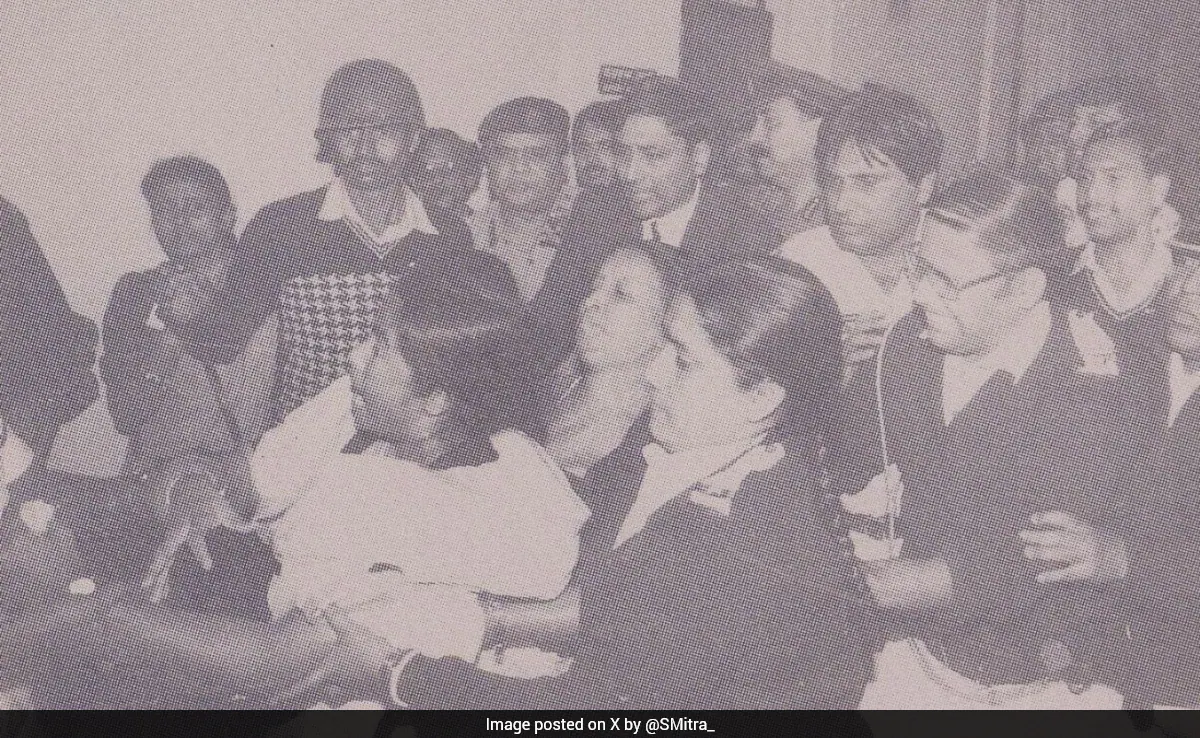
Frustrated by this abrupt cancellation, Banerjee refused to leave, opting instead to hold a sit-in outside the Chief Minister’s office. Accompanied by the rape survivor, she demanded the arrest of the accused amid growing tensions. The sit-in lasted for three hours, and Banerjee’s steadfastness drew a significant crowd, but it also attracted police attention. According to accounts, the police resorted to forceful measures to evict the protesters, leading to chaos in the corridors of the secretariat.
Rikta Kundu recounted that the pregnant rape survivor suffered injuries in the melee and was hurried to a medical facility, while Banerjee was taken away in a police van under duress. Abani Mohan Joardar, the deputy commissioner of police at the time, later became associated with Trinamool and recounted how, despite her status as a Union Minister, Banerjee was detained and placed in a lock-up.
A Lasting Commitment
In a rare development, Joardar was subsequently instructed to release Banerjee from custody. Initially hesitant, she ultimately acquiesced after discussions with him. As she left, a crowd of her supporters had begun clashing with the police, and Banerjee intervened to calm the situation. Afterward, she chose to be driven home in a police car, taking a moment to reflect at the Gandhi statue on Mayo Road before leaving.
The events of that day deeply influenced Banerjee, solidifying her pledge never to return to the secretariat. She maintained that vow for 18 years, until May 20, 2011, when she entered the Writers’ Building for the first time since that fateful night in 1993, following her historic election as West Bengal’s first female chief minister.
Follow US
https://www.facebook.com/charchaexpress
https://www.youtube.com/@charcha-express
https://www.instagram.com/charcha.express/
Contents
Confrontation on a Quiet NightKolkata: In the early hours of a summer night in 1993, the streets of Kolkata fell silent as the clock struck 1 AM. At a deserted crossing on Mayo Road, Mamata Banerjee, then a leader of the Congress party, stood alone. With the iconic Gandhi statue looming nearby, she had just emerged from police custody, taking a moment of solitude following a day marked by turmoil and protests. This night marked the inception of a vow that would persist for the next 18 years.By then, Banerjee was already recognized as a formidable political figure known for her direct style and grassroots activism. As president of the Youth Congress, she emerged as one of the most promising leaders opposing the tenured Left government in West Bengal. Not only was she an elected Member of Parliament, but she also held the position of Union Minister of State in the cabinet of Prime Minister PV Narasimha Rao.A Turning PointOn May 6, 1993, Banerjee was confronted with a harrowing case that intensified her commitment to social justice. Dipali Basak, a girl from Nadia district with speech and hearing impairments, had reportedly become pregnant after an alleged rape by a member of the Communist Party of India (Marxist). The local police had dismissed her complaint, escalating the urgency of the situation, according to Rikta Kundu, then president of the Mahila Congress in Nadia.Banerjee, deeply moved after meeting both Dipali and her mother, pledged to advocate for justice by approaching the Chief Minister, Jyoti Basu. An appointment was scheduled for that same afternoon at 3 PM. However, when the Trinamool Congress delegation arrived at the Writers’ Building, the state secretariat, they were informed that Basu was unavailable for a meeting. In a surprising turn of events, he exited the Writers’ Building, leaving Banerjee without the promised audience.The Sit-in ProtestFrustrated by this abrupt cancellation, Banerjee refused to leave, opting instead to hold a sit-in outside the Chief Minister’s office. Accompanied by the rape survivor, she demanded the arrest of the accused amid growing tensions. The sit-in lasted for three hours, and Banerjee’s steadfastness drew a significant crowd, but it also attracted police attention. According to accounts, the police resorted to forceful measures to evict the protesters, leading to chaos in the corridors of the secretariat.Rikta Kundu recounted that the pregnant rape survivor suffered injuries in the melee and was hurried to a medical facility, while Banerjee was taken away in a police van under duress. Abani Mohan Joardar, the deputy commissioner of police at the time, later became associated with Trinamool and recounted how, despite her status as a Union Minister, Banerjee was detained and placed in a lock-up.A Lasting CommitmentIn a rare development, Joardar was subsequently instructed to release Banerjee from custody. Initially hesitant, she ultimately acquiesced after discussions with him. As she left, a crowd of her supporters had begun clashing with the police, and Banerjee intervened to calm the situation. Afterward, she chose to be driven home in a police car, taking a moment to reflect at the Gandhi statue on Mayo Road before leaving.The events of that day deeply influenced Banerjee, solidifying her pledge never to return to the secretariat. She maintained that vow for 18 years, until May 20, 2011, when she entered the Writers’ Building for the first time since that fateful night in 1993, following her historic election as West Bengal’s first female chief minister.