Assam’s 2008 Serial Blasts Resulted in 88 Fatalities
Overview of the Incident
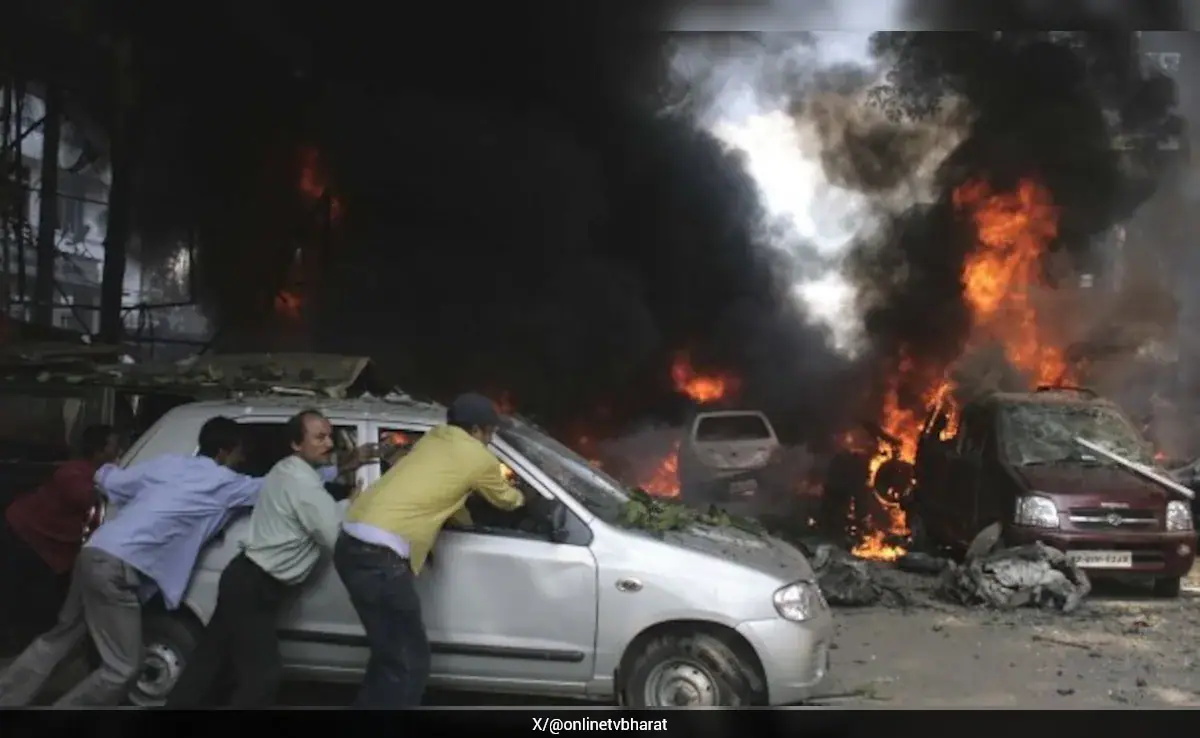
On October 30, 2008, a series of bomb explosions occurred across several districts in Assam, resulting in the deaths of at least 88 individuals and injuring over 500 others. The blasts were concentrated in Guwahati, Kokrajhar, Bongaigaon, and Barpeta Road, significantly affecting local communities.
The attacks began in Kokrajhar, where three substantial explosions were reported in quick succession: one in a vegetable market, another in a fish market, and the last near the railway station. These blasts occurred between 11:25 AM and 11:28 AM, leading to approximately 20 fatalities and 164 injuries in Kokrajhar alone.
Details of Explosions
In Guwahati, additional blasts were reported around the same time. Specifically, a blast occurred near the district magistrate’s court at 11:27 AM, followed by another at Khubchand Chowk (Kamarpatty) at 11:28 AM, and a significant explosion hit the Ganeshguri area at 11:30 AM. The toll in Guwahati reached at least 40 dead, while nearly 15 lost their lives in Barpeta Road.
Nature and Impact of Explosives
Investigations by the National Security Guard (NSG) determined that powerful explosives, including ammonium nitrate, TNT, PETN, and RDX, were utilized in these attacks. Detailed analysis indicated that approximately 6 kg of RDX was involved in the Kokrajhar blasts, with the same amount used for the explosion in Bongaigaon. In Barpeta Road, around 2 kg of RDX was deployed, while each of the explosions in Guwahati’s Ganeshguri and near the District Magistrate’s office accounted for about 3 kg of RDX.
The blasts led to extensive destruction. Reports stated that around 168 vehicles were damaged in the aftermath, with property losses estimated at nearly Rs 500 crore.
Public Reaction and Response
The responses to the blasts triggered public anger, particularly regarding the delayed arrival of emergency services. Crowds attacked government vehicles, ambulances, and fire trucks, which were deployed to manage the crisis. Some fire trucks responding to control the situation also faced aggression from agitated residents.
Investigation and Accountability
Initially, the Assam Police, along with its CID wing, began the investigation into these bombings. Subsequently, the case was transferred to the Central Bureau of Investigation (CBI). The findings revealed that the series of nine bomb blasts were orchestrated by members of the banned organization National Democratic Front of Bodoland (NDFB), specifically under the leadership of Ranjan Daimary.
In a significant development, a special court convicted Daimary along with 13 accomplices in 2019. The court sentenced Daimary and nine of his associates to life imprisonment for their roles in the attacks.
Long-lasting Impact on Assam
The 2008 blasts have continued to resonate in Assam’s socio-political landscape, with terrorism remaining a focal point during elections. Although the security situation has improved since 2008, law and order issues continue to be a critical aspect that the opposition addresses against the ruling Bharatiya Janata Party (BJP). Assam is scheduled to vote on April 9, with the results expected on May 4.
By signing up, you agree to our
Terms of Use and acknowledge the data practices in our
Privacy Policy. You may unsubscribe at any time.