

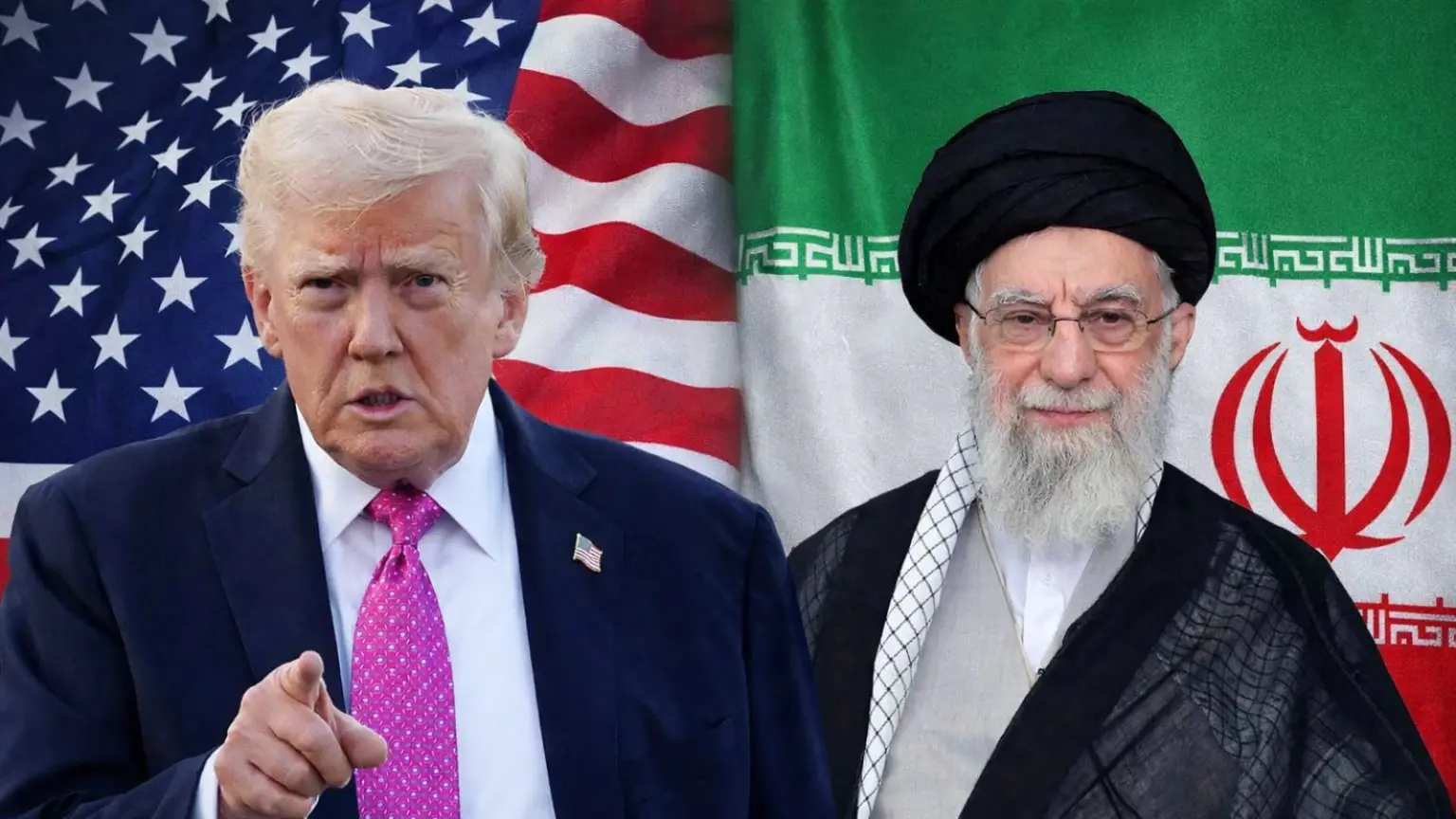
Overview of the Situation
US President Donald Trump faced significant internal debate regarding a military response to Iran following a presentation by Israeli Prime Minister Benjamin Netanyahu. Despite pushback from several key advisors who deemed Netanyahu’s plan unrealistic, Trump ultimately aligned with the approach favoring military engagement.
Reports indicate that two weeks before US and Israeli forces initiated operations against Iran, Netanyahu presented his case for regime change in a meeting attended by Trump and his senior advisors, excluding Vice President JD Vance, who was abroad at the time. The Israelis suggested that Iran was on the verge of a political upheaval that could be catalyzed by a joint military effort.
Israeli Strategy and Intelligence
During the February 11 meeting, Netanyahu laid out a comprehensive strategy involving military strikes targeting Iran’s ballistic missile program, asserting that such an operation could significantly weaken the Iranian government and reduce threats to US interests in the region. The presentation included a video depicting potential candidates to lead Iran in the event of regime change, featuring controversial figures such as the last Shah’s son, Reza Pahlavi, who has gained little attention in recent discussions.
Israeli intelligence reports from Mossad suggested a revival of public protests within Iran, with predictions that foreign military engagement could inspire uprisings against the government. Additionally, the possibility of Iranian Kurdish fighters mounting a ground offensive from Iraq was presented to further destabilize the Iranian administration.
US Officials’ Analysis
Following Netanyahu’s presentation, US intelligence officials conducted a detailed assessment. They identified four primary objectives: the elimination of Iran’s Supreme Leader Ayatollah Khamenei, crippling Iran’s military capabilities, fostering a popular uprising, and ultimately establishing a new regime. The analysis concluded that while the initial objectives could be feasible, the last two were unrealistic.
CIA Director John Ratcliffe characterized Netanyahu’s proposals as “farcical,” while Secretary of State Marco Rubio corroborated this sentiment, asserting that the chances for a successful regime change were slim. The discussion indicated a shared skepticism among some advisors regarding the viability of the anticipated outcomes of military action.
Trump’s Decision Factors
Despite opposition from some advisors, Trump appeared more focused on the potential for swift military success rather than the long-term political implications of regime change. He expressed a belief that any resulting upheaval would fall under Israeli interests, remarking that such challenges would be “their problem.”
As the military discussions progressed, differing opinions emerged within Trump’s cabinet. Defense Secretary Pete Hegseth vehemently supported military intervention, while other advisors exhibited ambivalence about the necessity and consequences of initiating conflict with Iran, focusing instead on maintaining pressure through sanctions.
Vance’s Concerns and Final Orders
Vice President JD Vance notably raised concerns about the repercussions of military action, which could lead to significant casualties and political fallout for Trump. His stance was rooted in skepticism about initiating a full-scale war, prompting him to advocate for limited military responses instead.
Despite the obstacles, the White House discussions culminated in a definitive order for military action. On February 26, Trump decided to proceed with the operation, recognizing the potential opportunity to strike key Iranian leadership targets. This decision marked a shift towards a more aggressive stance, authorizing what was designated as “Operation Epic Fury.”
On February 27, less than half an hour before a deadline set by military leaders, Trump formally approved the operation. His directive emphasized the necessity of preventing Iran from developing nuclear capabilities and threatening regional stability.
Follow US
https://www.instagram.com/charcha.express/
https://www.youtube.com/@charcha-express
https://www.facebook.com/charchaexpress
Contents
Overview of the SituationUS President Donald Trump faced significant internal debate regarding a military response to Iran following a presentation by Israeli Prime Minister Benjamin Netanyahu. Despite pushback from several key advisors who deemed Netanyahu’s plan unrealistic, Trump ultimately aligned with the approach favoring military engagement.Reports indicate that two weeks before US and Israeli forces initiated operations against Iran, Netanyahu presented his case for regime change in a meeting attended by Trump and his senior advisors, excluding Vice President JD Vance, who was abroad at the time. The Israelis suggested that Iran was on the verge of a political upheaval that could be catalyzed by a joint military effort.Israeli Strategy and IntelligenceDuring the February 11 meeting, Netanyahu laid out a comprehensive strategy involving military strikes targeting Iran’s ballistic missile program, asserting that such an operation could significantly weaken the Iranian government and reduce threats to US interests in the region. The presentation included a video depicting potential candidates to lead Iran in the event of regime change, featuring controversial figures such as the last Shah’s son, Reza Pahlavi, who has gained little attention in recent discussions.Israeli intelligence reports from Mossad suggested a revival of public protests within Iran, with predictions that foreign military engagement could inspire uprisings against the government. Additionally, the possibility of Iranian Kurdish fighters mounting a ground offensive from Iraq was presented to further destabilize the Iranian administration.US Officials’ AnalysisFollowing Netanyahu’s presentation, US intelligence officials conducted a detailed assessment. They identified four primary objectives: the elimination of Iran’s Supreme Leader Ayatollah Khamenei, crippling Iran’s military capabilities, fostering a popular uprising, and ultimately establishing a new regime. The analysis concluded that while the initial objectives could be feasible, the last two were unrealistic.CIA Director John Ratcliffe characterized Netanyahu’s proposals as “farcical,” while Secretary of State Marco Rubio corroborated this sentiment, asserting that the chances for a successful regime change were slim. The discussion indicated a shared skepticism among some advisors regarding the viability of the anticipated outcomes of military action.Trump’s Decision FactorsDespite opposition from some advisors, Trump appeared more focused on the potential for swift military success rather than the long-term political implications of regime change. He expressed a belief that any resulting upheaval would fall under Israeli interests, remarking that such challenges would be “their problem.”As the military discussions progressed, differing opinions emerged within Trump’s cabinet. Defense Secretary Pete Hegseth vehemently supported military intervention, while other advisors exhibited ambivalence about the necessity and consequences of initiating conflict with Iran, focusing instead on maintaining pressure through sanctions.Vance’s Concerns and Final OrdersVice President JD Vance notably raised concerns about the repercussions of military action, which could lead to significant casualties and political fallout for Trump. His stance was rooted in skepticism about initiating a full-scale war, prompting him to advocate for limited military responses instead.Despite the obstacles, the White House discussions culminated in a definitive order for military action. On February 26, Trump decided to proceed with the operation, recognizing the potential opportunity to strike key Iranian leadership targets. This decision marked a shift towards a more aggressive stance, authorizing what was designated as “Operation Epic Fury.”On February 27, less than half an hour before a deadline set by military leaders, Trump formally approved the operation. His directive emphasized the necessity of preventing Iran from developing nuclear capabilities and threatening regional stability.