The Best Summer Drinks for Electrolyte Replenishment
Importance of Hydration in Summer
As temperatures rise across India, staying hydrated is crucial for maintaining energy levels, muscle function, and overall health. Increased heat leads to higher fluid loss through perspiration, causing the body to lose essential electrolytes, including sodium and potassium. While plain water remains the preferred choice for hydration, many individuals opt for natural drinks and fruit-infused waters that can offer additional minerals and nutrients.
Electrolytes play a key role in regulating fluid balance, supporting nerve signaling, and ensuring the efficient functioning of muscles. During extended periods of heat exposure or physical exertion, the body can lose significant amounts of sodium, alongside smaller quantities of potassium and magnesium. This loss makes it vital to replace electrolytes to prevent fatigue, cramps, and dehydration, making the beverage selection process about more than just personal preference.
Analysis of Popular Fruit-Infused Drinks
Watermelon is celebrated for its high water content, nearly 92 percent, making it a naturally hydrating option, especially appealing in hot weather. It contains small amounts of potassium and provides natural sugars that can offer a slight energy boost. However, when watermelon is merely infused into water, the transfer of electrolytes is minimal. While it enhances the flavor of water, encouraging increased fluid intake throughout the day, it should not be relied upon for the replenishment of electrolytes after prolonged sun exposure.
Cucumber is another fruit known for its cooling and hydrating properties due to its exceptional water content. It adds trace minerals and antioxidants, but, like watermelon, its contribution to electrolyte levels in infused water is limited. Its primary benefit lies in improving the taste of water, providing a refreshing option for hydration. On particularly hot days, cucumber-infused water can serve as a delightful way to keep hydrated, but it should be considered more as a hydration enhancer than as a recovery drink.
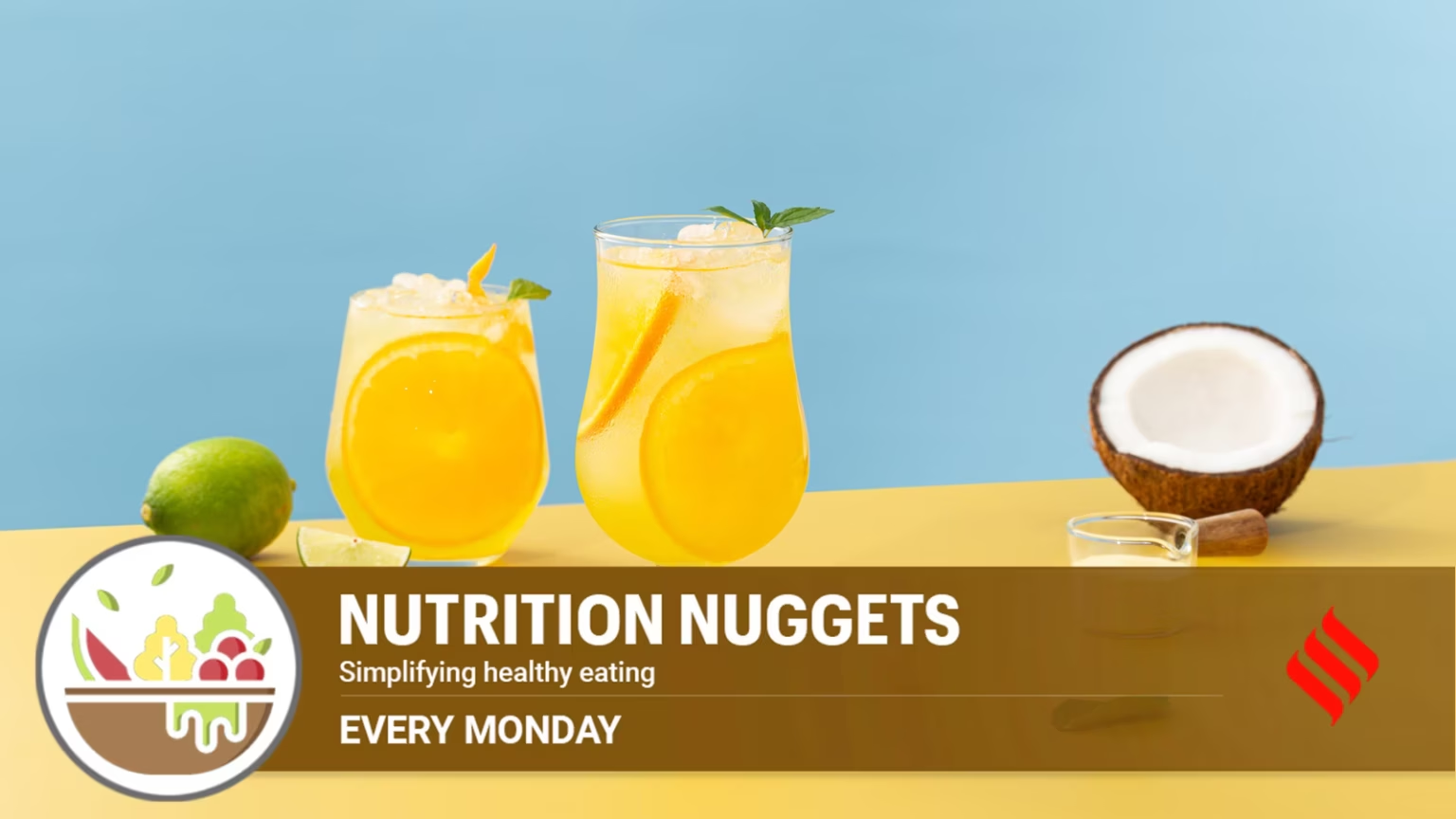
Lemon water stands out as one of the more effective homemade electrolyte options for summer. It provides vitamin C and small amounts of potassium, while its tangy flavor often encourages higher fluid consumption. By adding a pinch of salt, sodium can be introduced to create a light rehydration drink, particularly useful after moderate outdoor activities. This simple yet effective combination offers a practical balance of taste and functionality, avoiding the excess sugar typically found in bottled beverages.
Coconut water is regarded as a notable natural option for hydration due to its rich electrolyte profile. It is high in potassium and contains magnesium and modest amounts of sodium, rendering it more effective for replenishment than standard infused waters. Studies indicate that coconut water can support post-exercise rehydration comparably to some sports drinks, especially after mild to moderate fluid loss. Nevertheless, as sweat losses are typically high in sodium, relying solely on coconut water may not be adequate after intense physical activity. Pairing it with a lightly salted snack can enhance its effectiveness. As it contains natural calories, it is advisable to consume coconut water mindfully rather than as an ongoing beverage throughout the day.
Making the Right Hydration Choices
For consistent daily hydration, plain water remains unparalleled, while watermelon and cucumber infusions offer flavor and variety. For those experiencing moderate sweating or spending time outdoors, lemon water with a pinch of salt provides a functional electrolyte boost. Coconut water is beneficial after exercising or during extended heat exposure when potassium replenishment is crucial.
In summary, while fruit-infused waters can contribute to hydration, effective electrolyte replenishment during India’s peak summer heat is best achieved with lemon-salt water and coconut water. The key lies in maintaining a consistent hydration strategy—consuming sufficient fluids throughout the day and selecting beverages that match one’s level of heat exposure and physical activity.