
Worker Exodus from Cooch Behar Disrupts Jaipur’s Households and Businesses Ahead of Elections
Staff Shortage in Jaipur Due to Migrant Workers Returning Home
As Bengal elections approach, a significant number of migrant workers from Cooch Behar are returning to their hometowns in anticipation of the upcoming polls, prompting a noticeable staff shortage in Jaipur. This trend is leaving both households and restaurants in the city struggling to maintain their usual operations.
With elections scheduled for April 23 in nine constituencies of Cooch Behar, many Bengali domestic workers and daily-wage earners in Jaipur are prioritizing their right to vote over their employment. Many have been reporting back to their employers with the declaration, “vote first, work later,” indicating a high commitment to participating in the democratic process.
Impact on Local Services and Businesses
The mass departure of workers from Cooch Behar is beginning to disrupt routine services across various sectors in Jaipur, including households, hotels, and restaurants. Mewa Bharti, a domestic help activist who heads the Rajasthan Mahila Kamraj Union, noted that over 80% of the domestic help and labor force in Jaipur hails from Cooch Behar. She remarked that this level of enthusiasm among workers to vote is unprecedented, especially given the context of the post-COVID period.
The workforce in Jaipur comprises a significant number of women in domestic roles, while men predominantly work in restaurants, marriage gardens, factories, and construction sites. Tarun Kumar Bansal, president of the Hotels and Restaurant Association of Rajasthan, expressed concern, stating that it is currently unfeasible to manage kitchens in the city without the manpower from Cooch Behar. He noted that out of 240 employees at his establishments, more than 70 are from Cooch Behar and have all requested leave to vote.
Market Closures and Economic Ripple Effects
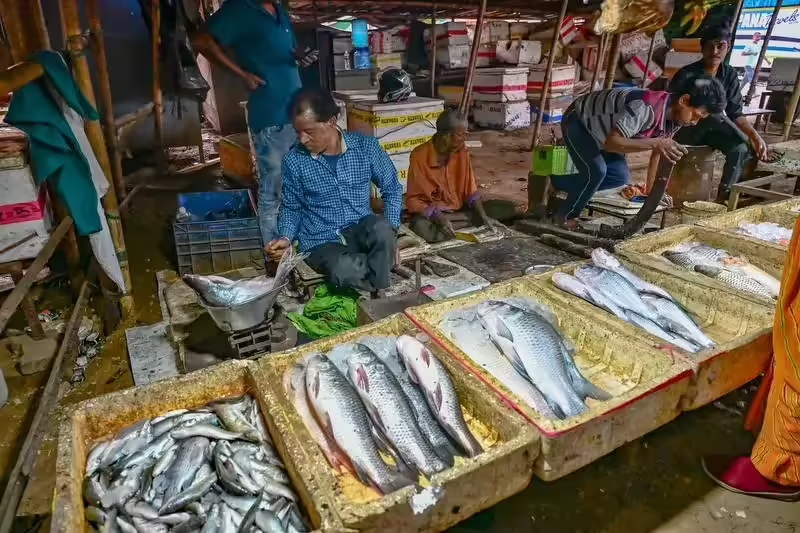
The labor shortage is not only affecting residential services but is also impacting market operations, particularly in areas with a high concentration of Bengali vendors. Markets such as the Bengali Fish Market in Bais Godam and the Bengali Anaj Mandi on Shakar Marg are expected to remain closed for nearly a month due to the absence of their primary workforce. This situation highlights the critical role these migrant workers play in the local economy.
Migrant worker Usha Barman shared that political parties have promised financial assistance based on the number of family members who vote, which has further motivated many to return home. She also noted concerns about potential disenfranchisement, expressing a fear that their names could be removed from electoral rolls in future revisions if they fail to participate in this election.
Challenges in Transportation
The rush of workers returning home is creating challenges in transportation, with trains operating at full capacity and prolonged waiting lists. Many are resorting to general coaches or private buses to facilitate their journey back to Cooch Behar, demonstrating that for these workers, fulfilling their civic duty and casting their votes takes precedence over their day-to-day livelihoods.
Follow US
https://www.facebook.com/charchaexpress
https://www.youtube.com/@charcha-express
https://www.instagram.com/charcha.express/
Contents
Staff Shortage in Jaipur Due to Migrant Workers Returning HomeAs Bengal elections approach, a significant number of migrant workers from Cooch Behar are returning to their hometowns in anticipation of the upcoming polls, prompting a noticeable staff shortage in Jaipur. This trend is leaving both households and restaurants in the city struggling to maintain their usual operations.With elections scheduled for April 23 in nine constituencies of Cooch Behar, many Bengali domestic workers and daily-wage earners in Jaipur are prioritizing their right to vote over their employment. Many have been reporting back to their employers with the declaration, “vote first, work later,” indicating a high commitment to participating in the democratic process.Impact on Local Services and BusinessesThe mass departure of workers from Cooch Behar is beginning to disrupt routine services across various sectors in Jaipur, including households, hotels, and restaurants. Mewa Bharti, a domestic help activist who heads the Rajasthan Mahila Kamraj Union, noted that over 80% of the domestic help and labor force in Jaipur hails from Cooch Behar. She remarked that this level of enthusiasm among workers to vote is unprecedented, especially given the context of the post-COVID period.The workforce in Jaipur comprises a significant number of women in domestic roles, while men predominantly work in restaurants, marriage gardens, factories, and construction sites. Tarun Kumar Bansal, president of the Hotels and Restaurant Association of Rajasthan, expressed concern, stating that it is currently unfeasible to manage kitchens in the city without the manpower from Cooch Behar. He noted that out of 240 employees at his establishments, more than 70 are from Cooch Behar and have all requested leave to vote.Market Closures and Economic Ripple EffectsThe labor shortage is not only affecting residential services but is also impacting market operations, particularly in areas with a high concentration of Bengali vendors. Markets such as the Bengali Fish Market in Bais Godam and the Bengali Anaj Mandi on Shakar Marg are expected to remain closed for nearly a month due to the absence of their primary workforce. This situation highlights the critical role these migrant workers play in the local economy.Migrant worker Usha Barman shared that political parties have promised financial assistance based on the number of family members who vote, which has further motivated many to return home. She also noted concerns about potential disenfranchisement, expressing a fear that their names could be removed from electoral rolls in future revisions if they fail to participate in this election.Challenges in TransportationThe rush of workers returning home is creating challenges in transportation, with trains operating at full capacity and prolonged waiting lists. Many are resorting to general coaches or private buses to facilitate their journey back to Cooch Behar, demonstrating that for these workers, fulfilling their civic duty and casting their votes takes precedence over their day-to-day livelihoods.