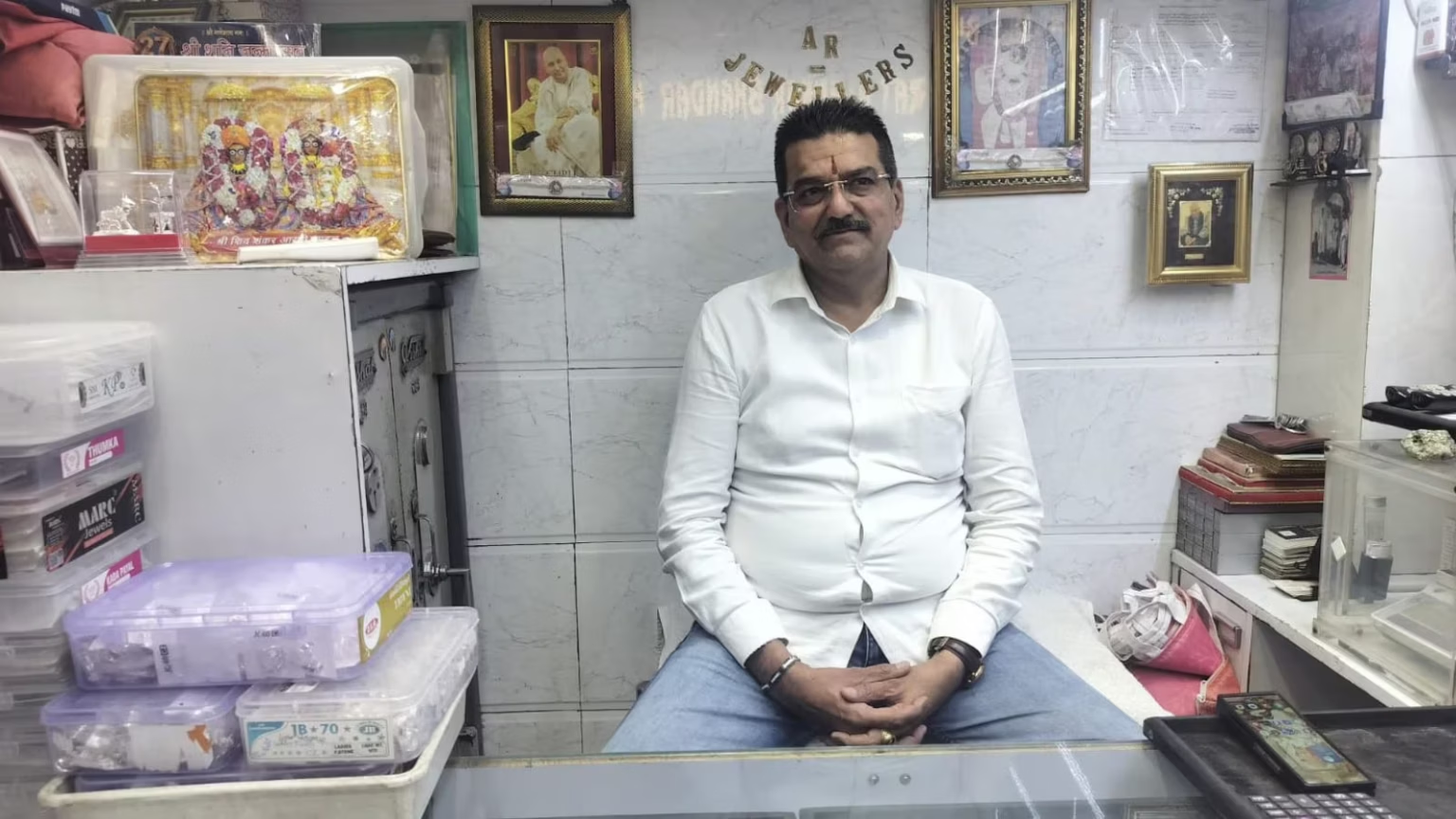
The bustling atmosphere of Kucha Mahajani, a prominent gold market in Old Delhi, has significantly decreased in recent weeks. Traditionally filled with the sounds of gold being weighed and bargaining, the market now appears unusually quiet, especially as summer heat settles over the city. Rishi Verma, owner of A R Jewellers and general secretary of the Kucha Mahajani Association, describes the current state of the market as starkly contrasting to its usual vibrancy. “Today we have almost no work. Just look around yourself,” he says, reflecting on the emptiness of the alleyway.
Verma notes that until recently, customer interest in purchasing gold in bulk was strong. He recalls the sharp price decreases during the Covid-19 pandemic, which allowed buyers to invest more readily. “In 2020, gold had become very cheap. I used to tell people not to invest in gold, and to instead buy jewellery that they would wear often or in weddings,” he recounts, highlighting a time when buyers frequently made significant purchases, sometimes using funds set aside for important family expenses such as education.
Price Surge Affects Demand
Gold prices have seen a marked increase since those early pandemic days. In 2020, the price for 10 grams of gold was approximately Rs 48,651, and by early 2026, it is projected to exceed Rs 1,50,000, representing a staggering increase of over Rs 1 lakh within a six-year span. According to Verma, the market began to exhibit signs of decline after Diwali last year. “Post Diwali, we have been suffering losses. People have stopped buying gold… This price is just too high; demand is bound to drop at such high rates,” he asserts.
Economic Measures and Government Appeals
India’s gold import expenses have nearly doubled in the last two years, reaching $72 billion for the fiscal year 2025-26. This dramatic increase has led Prime Minister Narendra Modi to make a unique appeal to the public, urging citizens to adopt austerity measures to protect the nation’s foreign exchange reserves. These reserves have reportedly diminished by $38 billion in the two months following the onset of the war in the Middle East. Modi has called on the public to refrain from purchasing gold for one year and has suggested working from home to reduce fossil fuel consumption. To support this initiative, the government recently raised the customs duty on precious metals from 6% to 15%.
Kucha Mahajani consists of around 800 shops within its narrow lanes, which have witnessed significant growth in recent years. However, retailers are now expressing concern over decreasing foot traffic and dwindling sales. The atmosphere of anticipation that once filled the air has been replaced by uncertainty.
Similar Trends in Karol Bagh
A short distance away, the situation in the Beadonpura jewellery market of Karol Bagh reflects similar trends. While wide streets and multi-storey buildings suggest success, the lack of crowds is alarming. Sales associates are left idle in air-conditioned showrooms that are designed to accommodate a larger clientele yet remain sparsely populated. An owner of Dhir Diamonds estimates that customer numbers have dropped by 80% since Diwali 2025, reinforcing the impact of soaring gold prices.
The current paradox is evident, as the initial surge in gold prices drove demand, but the subsequent stability at high levels has deterred consumers. The owner points out that the larger establishments face higher operational costs, which compounds their losses during this downturn.
Responses from Market Leaders
Verma expresses a complicated view of the Prime Minister’s call for austerity, suggesting it could benefit the gold market in the long run by helping to stabilize or lower prices. He acknowledges the necessity of such measures for the overall health of the gold economy but laments that timely intervention could have better supported the struggling businesses. “If gold is not getting sold, how can we possibly do that? Thousands of families can get destroyed,” Verma warns, emphasizing the urgent need for recovery in the market.