Southern States To Benefit Despite Smaller Population: Sources On Quota Bill
Support for Women’s Reservation Initiative
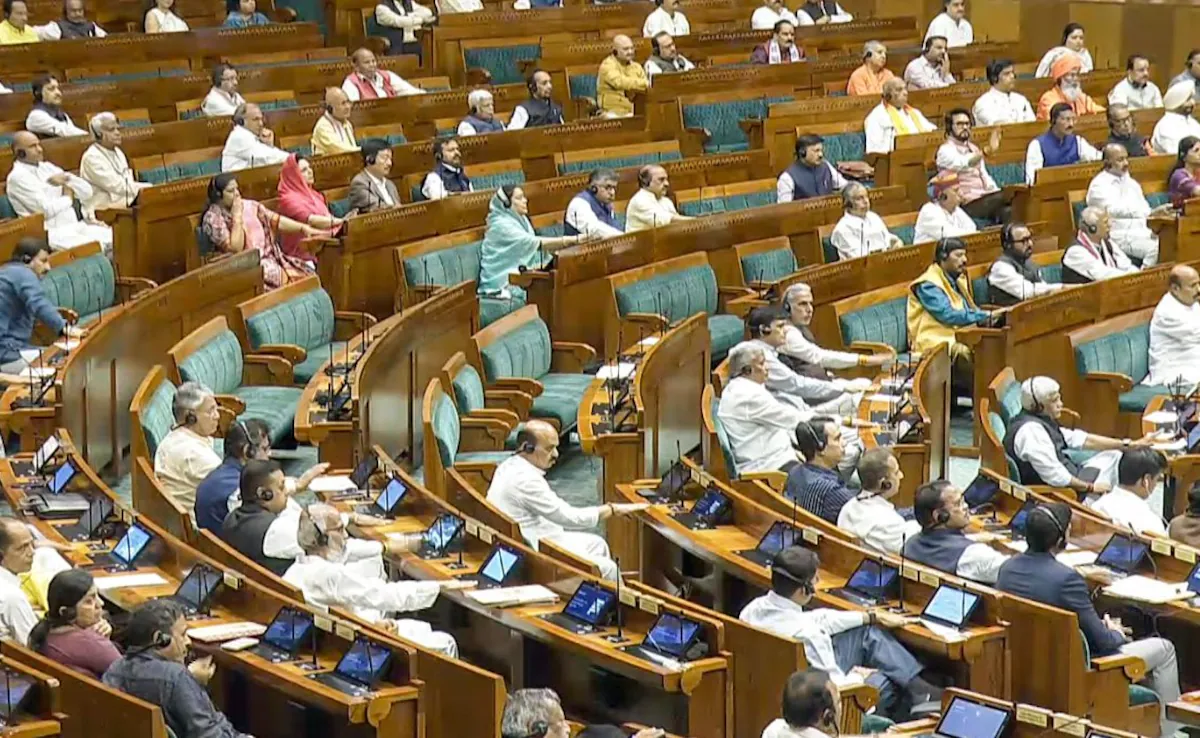
The implementation of women’s reservation is expected to yield benefits for South Indian states, according to high-ranking government sources. They emphasize that concerns expressed by these states regarding potential disadvantages in relation to north Indian states, due to delimitation based on population, are misplaced.
Recent Constitutional Amendment Bills related to women’s reservation include a provision for a 50 percent increase in the total number of seats in both the Lok Sabha and state legislative assemblies. Despite this increase, South Indian states have voiced strong opposition to the proposal.
Political Reactions from South Indian Leaders
Tamil Nadu Chief Minister MK Stalin has emerged as a prominent critic of the proposal. While he supports women’s reservation, he argues that the connection between this initiative and delimitation is politically motivated, intended to weaken the representation of South Indian states in favor of their north Indian counterparts. He has also cautioned about the potential for widespread protests against this move.
Similarly, Telangana Chief Minister Revanth Reddy has labeled the proposal an injustice, echoing the dissent from his southern contemporaries. The response highlights a growing unease among southern leaders about the possible implications of the proposed changes.
Government Assurances on Delimitation Benefits
In response to these concerns, government sources have clarified that the delimitation exercise will be based on the 2011 census data, which is projected to benefit South Indian states. They point out that, compared to the 1971 census, population growth in South Indian states has not matched the rates seen in north Indian states. As a result, the proposed 50 percent increase in Lok Sabha seats means that South Indian states are likely to gain more parliamentary representation despite their smaller populations.
Union Minister of Parliamentary Affairs Kiren Rijiju has also dismissed fears voiced by representatives of southern states. He contends that certain individuals are misrepresenting the situation, falsely suggesting that the successful family planning policies in South India would lead to detrimental outcomes. Rijiju insists that South Indian states stand to benefit from a relative increase in parliamentary representation due to the delineation process.
Details of the Proposed Increases in Representation
Government sources have noted that the number of seats in the Lok Sabha and state legislative assemblies will be raised by 50 percent to facilitate the implementation of women’s reservation. The calculation suggests that the maximum number of Lok Sabha seats could rise to 850, comprising 815 allocated for states and 35 for Union Territories.
This projection underscores a significant increase in representation for South Indian states, which, according to government officials, will ensure fairness and justice in the allocation of seats across various regions of the country. This move aims to balance representation while advancing women’s participation in the political landscape of India.
Long or Short, get news the way you like. No ads. No redirections. Download Newspin and Stay Alert, The CSR Journal Mobile app, for fast, crisp, clean updates!