NASA’s Artemis II Crew Discovers Colorful Features on the Moon
Artemis II Mission Overview
On April 1, NASA successfully launched the Orion spacecraft using the Space Launch System rocket. The mission is designed to last for 10 days, during which it will orbit the moon, conduct scientific experiments, capture images, and ultimately return safely to Earth. The agency envisions this mission as a potential precursor to establishing a lunar colony, though the astronauts have already made an unexpected discovery: the moon exhibits more color than previously assumed.
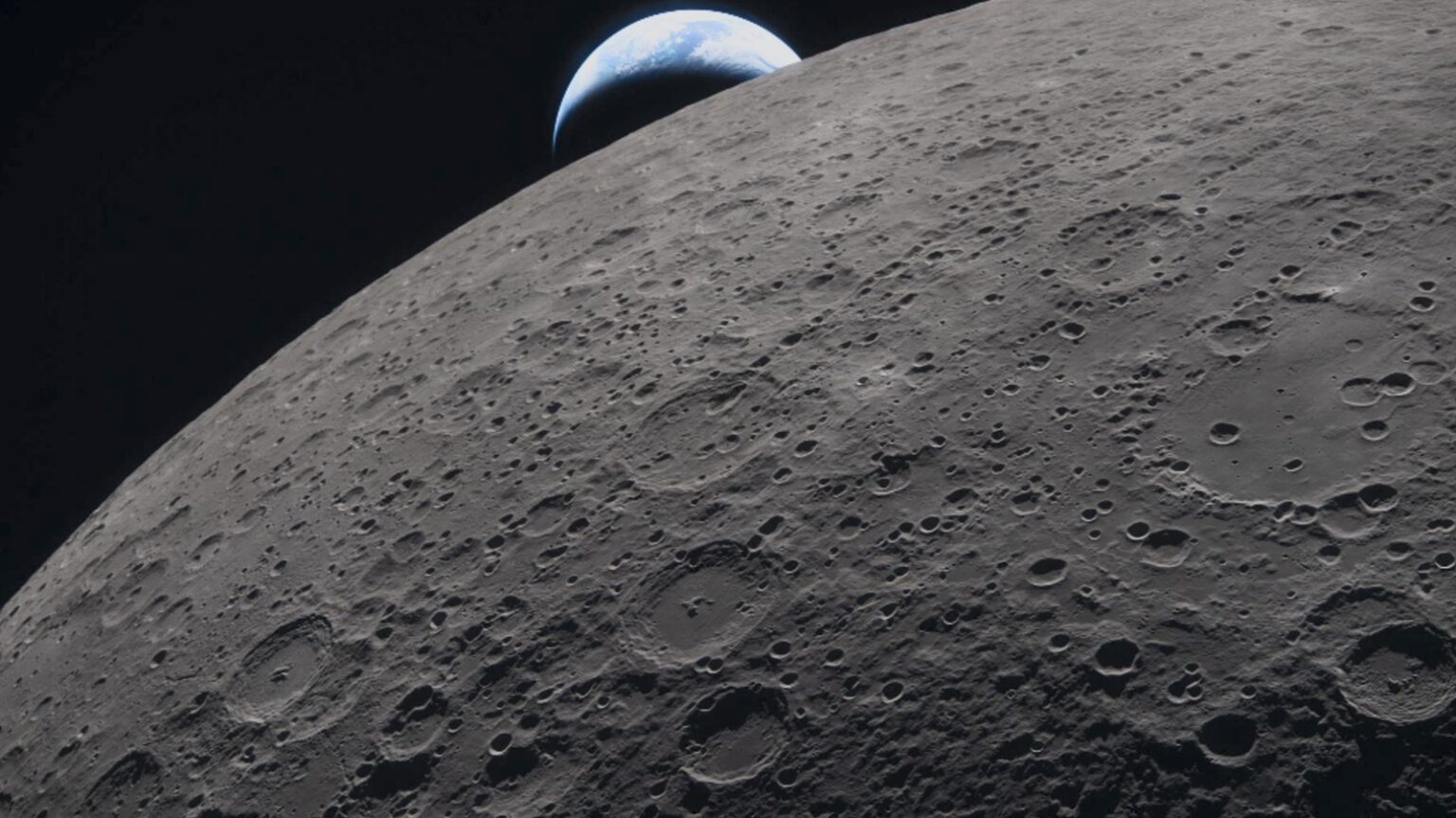
The Artemis II mission represents several milestones for NASA and provides a unique opportunity to photograph the moon’s far side, a region not frequently observed due to the moon’s synchronous rotation with Earth. Recent imagery returned from the mission has shown, according to Joel Kearns, Deputy Associate Administrator for Exploration at NASA, “a lot of color on the moon.” Notably, these hues were also visible to the astronauts without any special equipment.
Findings from Lunar Photography
While the photographs reveal a spectrum of colors, they do not display a vibrant scene comparable to famed artworks like Vincent van Gogh’s “The Starry Night.” Nevertheless, the images indicate a broader range of shades than traditionally expected from lunar landscapes. Kearns notes that these colors may signify the presence of various surface-level chemicals or minerals. This finding, combined with technology that could convert lunar soil into breathable oxygen, may present essential components for constructing a long-term human presence on the dark side of the moon.
Importance of Surface Mapping
Although the colorful aspects of the mission are significant, they represent only part of the data collected by NASA scientists. The moon is a complex geological entity, and the photographs returned by the Artemis II crew do not merely depict a monotonous gray surface. To trained observers, the images reveal intricate features such as surface fractures, impact craters, and signs of ancient lava flows. NASA specialists believe these geological formations will aid researchers in developing a more accurate understanding of the moon’s geological history.
The Artemis II mission is intended to pave the way for subsequent lunar explorations, potentially culminating in a permanent base on the moon. The detailed topographical maps generated from the imagery will play a crucial role in planning future missions. The insights gathered from Artemis II not only aim to identify suitable locations for a lunar settlement but may also serve as a support system for future Mars missions, providing essential waystations for travelers heading to the Red Planet.