Understanding HDMI Passthrough and Its Applications
Introduction to HDMI Passthrough
A high-quality soundbar or surround sound system is an essential component for an efficient home theater setup. Ultimately, users desire a straightforward experience where they can easily settle into their preferred seating, activate the system, and rely on their premium devices to handle audio and video processing seamlessly. Proper connection of audio-visual components to the sound system, along with a direct link to the television, should ideally allow users to focus solely on adjusting volume or switching inputs for different sources.
However, there are occasions when completely bypassing the surround sound system may be preferable. Another factor to consider is the late-night viewing experience, where utilizing an audio system could disturb others in the household or nearby neighbors. Since not everyone shares a similar enthusiasm for action films or horror video games, maintaining a quieter environment becomes essential. In such instances, many soundbars and advanced AV receivers offer a feature known as HDMI passthrough, which can help create a more considerate viewing experience.
How HDMI Passthrough Works
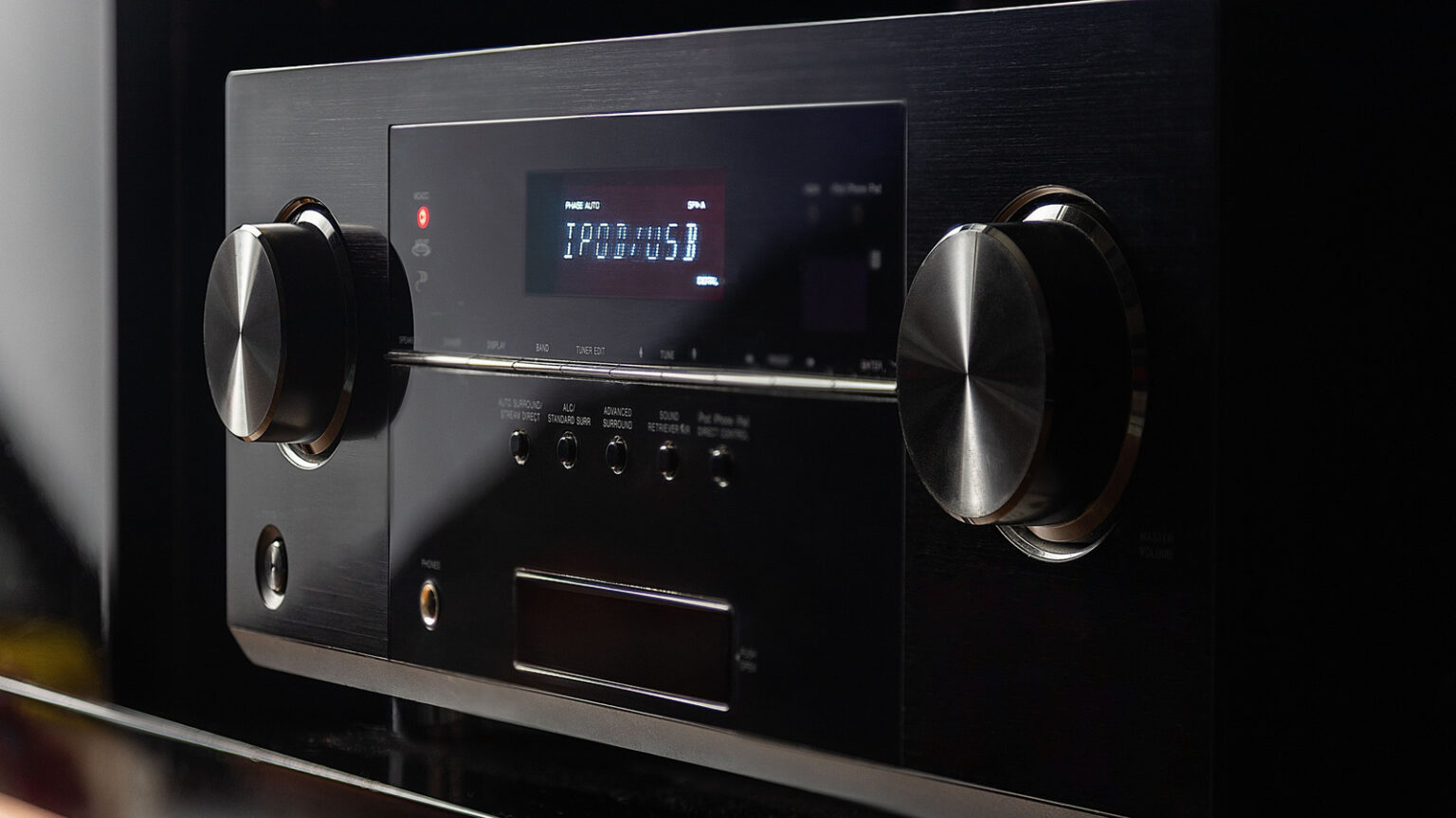
When HDMI passthrough is activated, it allows the audio-visual switching soundbar or receiver to remain powered off while still transmitting video and audio signals to a television or projector. In this configuration, the display hardware processes the source signals rather than the soundbar or receiver. Consequently, this setup enables the use of the TV’s built-in speakers for audio output. Implementing HDMI passthrough is an excellent solution for late-night viewing or preserving the longevity of home theater equipment.
Variations Among HDMI Passthrough Features
HDMI passthrough is an audio-visual feature that can be referred to by various names within different brands. Although it has existed for several years, it is not universally standardized. For instance, one brand might refer to it as “Main Zone Standby,” while another may opt for the more formal designation of “HDMI passthrough.” Additionally, capabilities can vary significantly between brands; some may only support 1080p/60Hz passthrough, while others may offer up to 4K/120Hz in conjunction with HDR support. Users may need to delve into soundbar or receiver settings for activation depending on their specific equipment.
For example, specific instructions were located on an FAQ page for Denon AV receivers, where a customer service representative detailed how to enable HDMI passthrough, also known as “standby mode” for that particular model. To access the feature, the system must be connected to the television via HDMI to utilize its graphical user interface (GUI). Users can navigate to Video > HDMI Setup and then enable HDMI passthrough as a simple solution.
Compatibility and Considerations
It is essential to note that HDMI passthrough might be restricted to specific HDMI ports located on certain soundbars or receivers. Furthermore, the system might revert to the last used input when the soundbar or receiver is not in active mode. Regardless of the extent to which HDMI passthrough affects any system—large or small—it provides an added layer of flexibility, benefitting even the most intricate Dolby Atmos setups.