South Korea Innovates with Solar Trees to Enhance Energy Production and Forest Preservation
Challenges of Traditional Solar Installations
Solar energy is regarded as a leading option for sustainable energy solutions due to its abundant source of power. However, the transition to solar energy, particularly large-scale installations, poses challenges as conventional solar panels require significant space and adequate sunlight exposure to generate efficient energy. In South Korea, the expansion of solar installations has often resulted in the deforestation of large areas. A new innovation known as solar trees may offer a solution that reduces environmental impact while maintaining energy production capacity.
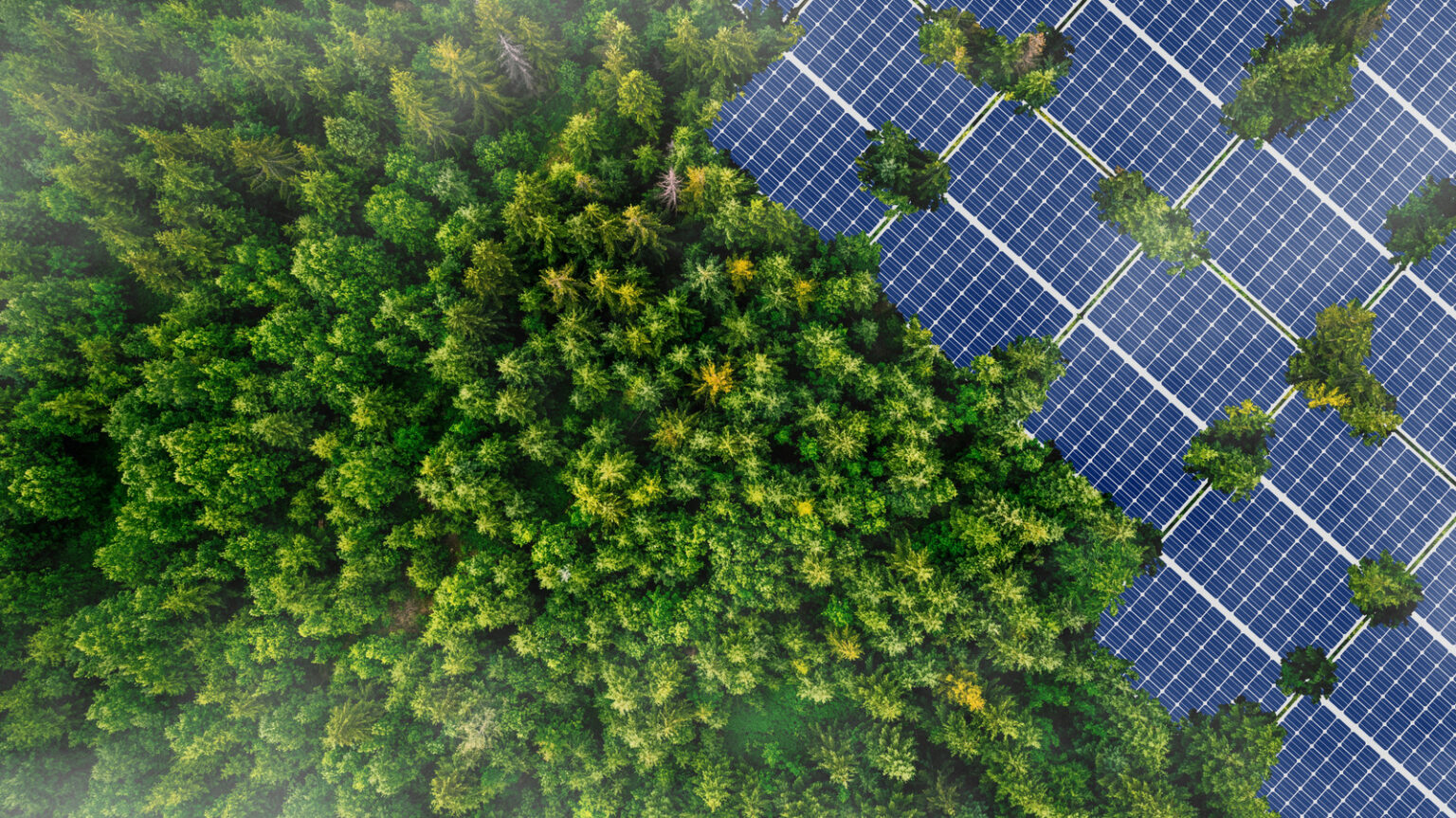
A recent study published in Scientific Reports outlines that traditional solar installations typically result in the removal of approximately 98% of forest cover. In contrast, solar trees feature solar panels mounted on tall poles, seamlessly integrated into forest canopies. This design could significantly reduce forest loss, potentially preserving up to 99% of wooded areas while still providing comparable energy output. The effectiveness of this method has been evaluated through simulations utilizing 3D geospatial data and practical tests with solar trees deployed in coastal forests in South Korea.
Impact of Solar Energy on Climate Goals
The increased adoption of solar power is partly driven by the need to combat climate change by reducing reliance on fossil fuels. The extraction and combustion of fossil fuels contribute to greenhouse gas emissions, exacerbating global warming. While transitioning to solar energy is essential, the space requirements for solar installations pose challenges, especially in forested regions. To optimize land use, scientists have explored various combinations of agriculture and solar energy, known as agrivoltaics, while innovative solutions like solar trees continue to emerge in South Korea.
Although solar installations on buildings are common, generating energy for larger grids necessitates more extensive setups, often leading to deforestation. This not only reduces the number of trees that absorb carbon dioxide but also disrupts local ecosystems. The need to address these issues has led to the exploration of new solar technologies that minimize ecological impact.
Advantages of Solar Trees in Ecosystem Management
Solar trees present a confined solar collection method, with panels elevated on tall poles to mitigate environmental disruption and prevent forest destruction. Preliminary findings from researchers indicate that this innovative approach can achieve energy generation levels comparable to traditional solar arrays without requiring the extensive clearing of forested land.
In Europe, offshore wind farms have demonstrated positive impacts on local ecosystems, suggesting that similar environmentally friendly practices can be applied to solar energy. The introduction of solar trees may create additional opportunities for solar installations globally, enabling energy generation while preserving local wildlife habitats and ecological functions. As wind energy projects typically take years to become economically viable, solar technology that delivers faster benefits could enhance its attractiveness for large-scale energy developments.
A report from the U.S. Department of Energy in 2021 indicated that solar power could potentially supply at least 40% of America’s electricity by 2035 with appropriate strategies. The integration of solar tree technology in South Korea could complement existing solar projects around the world, paving the way for innovative approaches to renewable energy solutions. Discovering and implementing new strategies like solar trees marks a significant step toward advancing sustainable energy practices in the future.