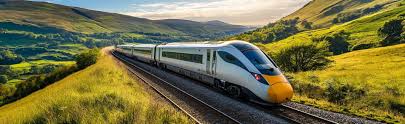
Delhi To Rishikesh In Three Hours? Namo Bharat Extension Plan Gathers Steam
Uttarakhand Chief Minister’s Meeting with Union Minister
Uttarakhand Chief Minister Pushkar Singh Dhami met with Union Minister for Power, Housing and Urban Affairs Manohar Lal Khattar on Saturday to discuss the extension of the Namo Bharat Regional Rapid Transit System (RRTS) corridor. The extension would run from Modi Puram in Meerut to Haridwar, with an additional proposal for a separate metro corridor connecting Dehradun, Haridwar, and Rishikesh.
Both proposals, if implemented, aim to establish a continuous rapid rail service from Delhi to the foothills of the Himalayas. Currently, the Namo Bharat train operates between Sarai Kale Khan station in Delhi and Modipuram in Meerut. The proposed new corridor would extend northward from Modipuram, largely following the route of National Highway 58.
Proposed Route Details
The planned RRTS corridor includes several strategically important stops: Modipuram as the originating junction, Daurala-Sakauti which serves as an industrial and educational hub, Khatauli near Muzaffarnagar as a significant linkage point, and Purkazi close to the Uttar Pradesh-Uttarakhand border. Additionally, the route will include Roorkee, known for IIT Roorkee, Jwalapur, Haridwar, and Rishikesh, which is recognized as an important destination for adventure and yoga tourism.
Expected Benefits of the Extension
If approved, the project may yield various economic and social benefits. Modipuram would become a key junction connecting Delhi and Haridwar, potentially leading to a spike in commercial activities in the area. Muzaffarnagar may be seen as an attractive option for industrial development and warehousing, while Roorkee could experience a rise in student housing and accommodations. Moreover, the demand for holiday homes and service apartments in the Haridwar and Rishikesh regions might increase significantly, with estimates suggesting a surge of up to 200 percent.
The anticipated reduction in travel time from Delhi to Rishikesh to approximately two-and-a-half to three hours could notably influence tourism dynamics in the area, steering preferences towards rental properties and homestays. Residents of the Delhi-NCR region may also favor purchasing second homes in the Haridwar or Rishikesh areas rather than in Meerut or Muzaffarnagar.
Economic Corridor Concept
The overall vision for the project sees it not merely as a transportation link, but as a comprehensive economic corridor that may significantly reshape the development landscape of the Delhi-Meerut-Haridwar region.
Challenges to Implementation
However, the proposed corridor faces substantial challenges that must be navigated before construction can commence. A major portion of the route between Roorkee and Rishikesh traverses Rajaji National Park and areas with ecological sensitivities, requiring rigorous environmental clearances and potentially protracted regulatory processes.
Additionally, land acquisition along National Highway 58 poses a serious challenge, with property values in the corridor already reaching historic highs, which could inflate project costs. Furthermore, the hilly terrain near Rishikesh may necessitate the construction of elevated tracks or tunnels, complicating the engineering and increasing expenses.
If stakeholders can reach a broad consensus, the proposal will be forwarded to the Central Government, the Uttar Pradesh Government, and the NCRTC for further evaluation and the subsequent steps in the approval process.
Long or Short, get news the way you like. No ads. No redirections. Download Newspin and Stay Alert, The CSR Journal Mobile app, for fast, crisp, clean updates!