

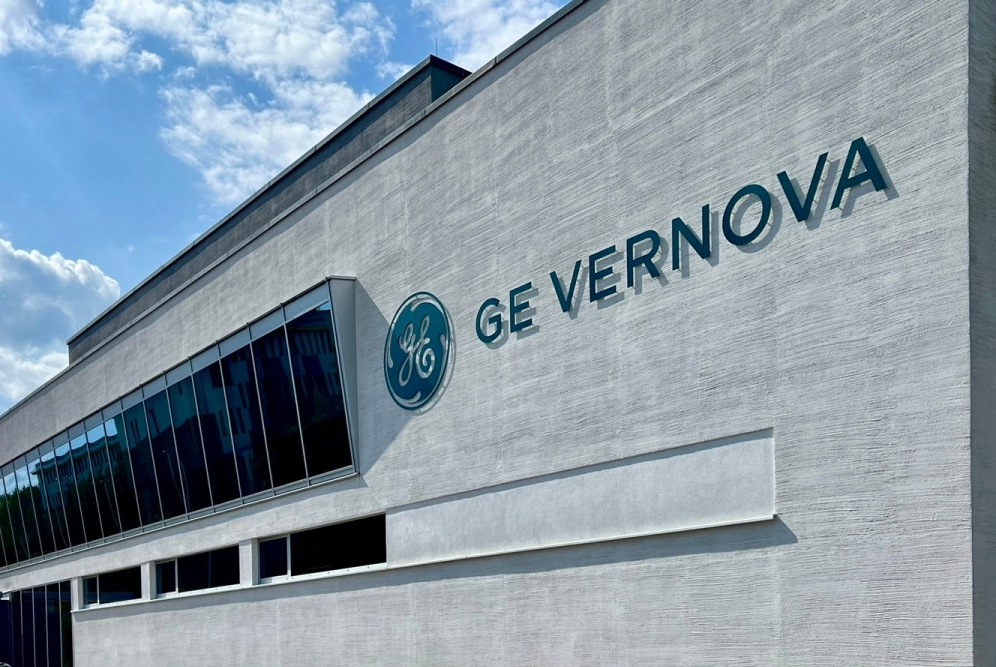
GE Vernova’s Remarkable Financial Turnaround: From Losses to Robust Growth
Company Overview and Financial Performance
GE Vernova T&D India has experienced a significant transformation in its financial performance, with its earnings before interest, taxes, depreciation, and amortization (EBITDA) margin soaring from a negative 2.7% to an impressive 27% over a four-year period. This improvement raises questions about the sustainability of the growth and the factors that have contributed to this remarkable turnaround.
The company’s financial metrics illustrate its progress: revenue increased from Rs 2,773 crore in FY23 to a projected annualized run rate exceeding Rs 6,000 crore for FY26. Meanwhile, the net profit after tax (PAT) has rebounded from a loss of Rs 2 crore to Rs 882 crore in just nine months of FY26. With an order backlog climbing from Rs 3,700 crore to Rs 14,384 crore, the financial landscape appears increasingly promising, supported by a cash reserve of Rs 1,585 crore and no outstanding debt.
Transformation in Margins
The transition in GE Vernova’s EBITDA margin is noteworthy. In FY22, the company faced a challenging landscape, with its EBITDA margin at -2.7% and contract bookings yielding thin or negative margins exacerbating financial losses. In contrast, the margin has experienced a 3,200 basis point increase to reach 27.1% over the past four years.
The surge in margins can be attributed to three primary factors: operating leverage, an emphasis on high-quality backlog contracts, and an expansion in export percentages. Management has focused on controlling fixed costs while increasing revenue, resulting in a dramatic uplift in profitability. Furthermore, a shift away from low-margin turnkey contracts towards higher-margin product orders has enhanced the quality of the backlog.
Export Market Contribution
The export portion of the order backlog has grown to approximately 30%, contributing positively to margins. Export orders tend to offer margins roughly 500 basis points higher than domestic contracts. As exports peaked at 39% of revenue in Q1 FY26, the EBITDA margins reached a high of 29.1%.
Management’s guidance has evolved, with expectations for future margins settling in the mid-20s. The focus has begun to shift from margin percentages alone to absolute EBITDA growth as project mixes evolve, particularly with more HVDC turnkey projects that may carry lower margins.
HVDC Projects and Future Prospects
The company recently secured a significant order from the Adani Group for the Khavda-South Olpad HVDC project, one of India’s inaugural VSC-based HVDC ventures. Once booked, this contract will further elevate the order backlog, which is already substantial. Another notable project includes the Chandrapur HVDC refurbishment order from PGCIL, booked in Q3 FY26, with additional HVDC projects under consideration.
The surge in renewable energy capacity is a critical driver for GE Vernova. With India achieving 38 GW of solar and 6.3 GW of wind capacity in 2025, the demand for efficient long-distance power transmission is increasing. The National Electricity Plan II has earmarked a substantial Rs 9.2 lakh crore for transmission infrastructure through 2032, reinforcing GE Vernova’s positioning in this expanding market.
Capital Expenditure Plans
GE Vernova is set to invest Rs 1,046 crore in capacity expansion from FY26 to FY29, funded strictly through internal accruals. This funding will enhance HVDC valve and control facilities, and increase transformer and switchgear capacities to meet market demands.
The company’s stock currently trades at around Rs 3,700 per share, reflecting a price-to-earnings ratio of approximately 85x, placing it in line with industry peers. Despite high valuations, optimistic projections suggest potential for continued growth, provided GE Vernova maintains its current trajectory.
Conclusion
As GE Vernova T&D India navigates through a transformative phase, the coming quarters will reveal whether the current high valuations are justified based on its growth prospects and operational efficiency.
Follow US
https://www.facebook.com/charchaexpress
https://www.youtube.com/@charcha-express
https://www.instagram.com/charcha.express/
Contents
Company Overview and Financial PerformanceGE Vernova T&D India has experienced a significant transformation in its financial performance, with its earnings before interest, taxes, depreciation, and amortization (EBITDA) margin soaring from a negative 2.7% to an impressive 27% over a four-year period. This improvement raises questions about the sustainability of the growth and the factors that have contributed to this remarkable turnaround.The company’s financial metrics illustrate its progress: revenue increased from Rs 2,773 crore in FY23 to a projected annualized run rate exceeding Rs 6,000 crore for FY26. Meanwhile, the net profit after tax (PAT) has rebounded from a loss of Rs 2 crore to Rs 882 crore in just nine months of FY26. With an order backlog climbing from Rs 3,700 crore to Rs 14,384 crore, the financial landscape appears increasingly promising, supported by a cash reserve of Rs 1,585 crore and no outstanding debt.Transformation in MarginsThe transition in GE Vernova’s EBITDA margin is noteworthy. In FY22, the company faced a challenging landscape, with its EBITDA margin at -2.7% and contract bookings yielding thin or negative margins exacerbating financial losses. In contrast, the margin has experienced a 3,200 basis point increase to reach 27.1% over the past four years.The surge in margins can be attributed to three primary factors: operating leverage, an emphasis on high-quality backlog contracts, and an expansion in export percentages. Management has focused on controlling fixed costs while increasing revenue, resulting in a dramatic uplift in profitability. Furthermore, a shift away from low-margin turnkey contracts towards higher-margin product orders has enhanced the quality of the backlog.Export Market ContributionThe export portion of the order backlog has grown to approximately 30%, contributing positively to margins. Export orders tend to offer margins roughly 500 basis points higher than domestic contracts. As exports peaked at 39% of revenue in Q1 FY26, the EBITDA margins reached a high of 29.1%.Management’s guidance has evolved, with expectations for future margins settling in the mid-20s. The focus has begun to shift from margin percentages alone to absolute EBITDA growth as project mixes evolve, particularly with more HVDC turnkey projects that may carry lower margins.HVDC Projects and Future ProspectsThe company recently secured a significant order from the Adani Group for the Khavda-South Olpad HVDC project, one of India’s inaugural VSC-based HVDC ventures. Once booked, this contract will further elevate the order backlog, which is already substantial. Another notable project includes the Chandrapur HVDC refurbishment order from PGCIL, booked in Q3 FY26, with additional HVDC projects under consideration.The surge in renewable energy capacity is a critical driver for GE Vernova. With India achieving 38 GW of solar and 6.3 GW of wind capacity in 2025, the demand for efficient long-distance power transmission is increasing. The National Electricity Plan II has earmarked a substantial Rs 9.2 lakh crore for transmission infrastructure through 2032, reinforcing GE Vernova’s positioning in this expanding market.Capital Expenditure PlansGE Vernova is set to invest Rs 1,046 crore in capacity expansion from FY26 to FY29, funded strictly through internal accruals. This funding will enhance HVDC valve and control facilities, and increase transformer and switchgear capacities to meet market demands.The company’s stock currently trades at around Rs 3,700 per share, reflecting a price-to-earnings ratio of approximately 85x, placing it in line with industry peers. Despite high valuations, optimistic projections suggest potential for continued growth, provided GE Vernova maintains its current trajectory.ConclusionAs GE Vernova T&D India navigates through a transformative phase, the coming quarters will reveal whether the current high valuations are justified based on its growth prospects and operational efficiency.