Success of Islamabad Talks Hinges on Durable Agreements
Current Status of US-Iran Relations
The ongoing conflict involving the US and Israel against Iran has entered a two-week conditional ceasefire, marked by a sense of global relief. In an effort to solidify this hiatus, Pakistan is set to host diplomatic discussions, referred to as the “Islamabad talks,” which aim to foster dialogue between US and Iranian officials. These talks have the potential to continue through the weekend.
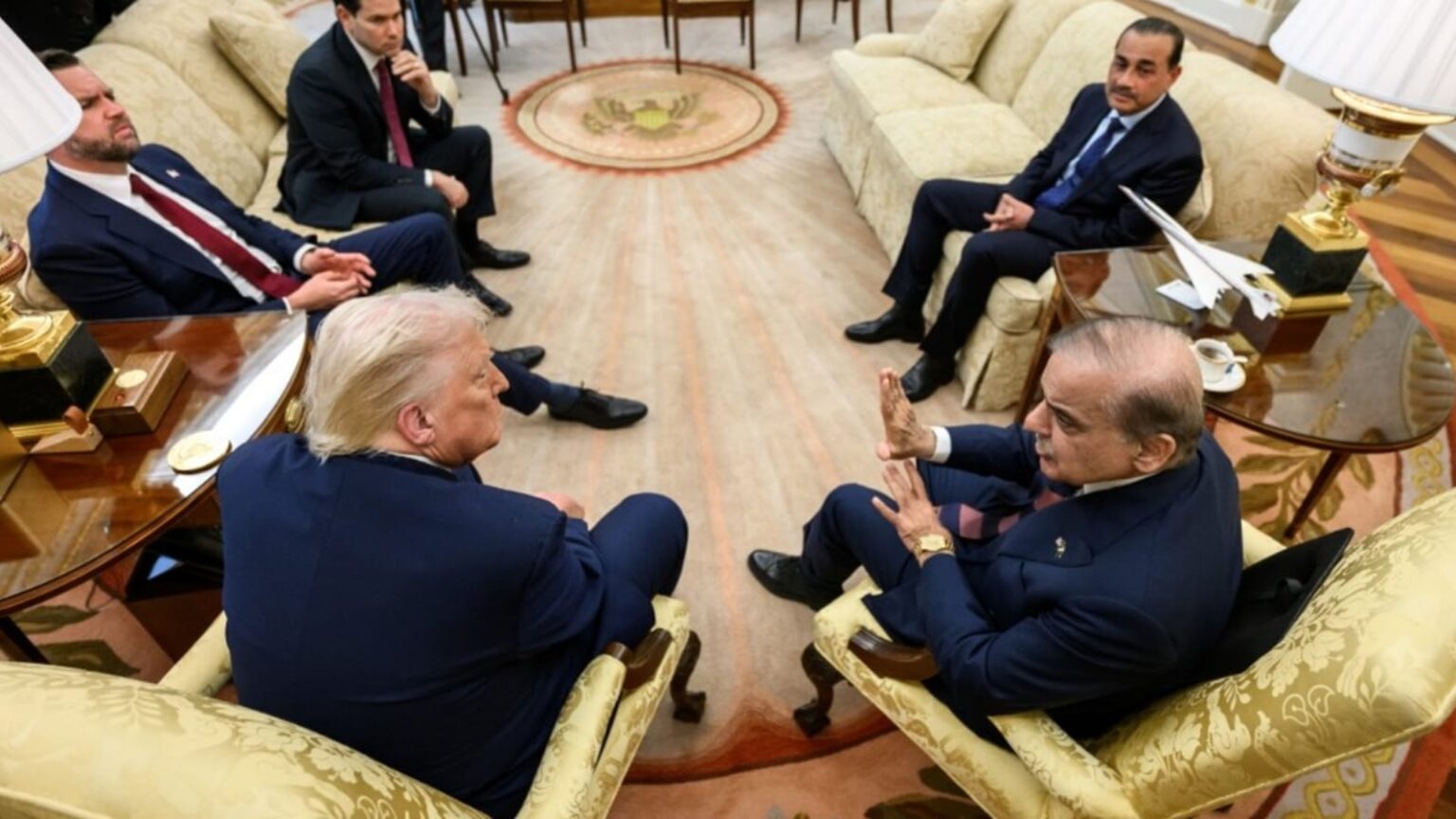
As a mediator in this complicated situation, Pakistan has garnered recognition for its role in facilitating this temporary cessation of hostilities. US President Donald Trump expressed his gratitude through social media, revealing discussions he had with Pakistani Prime Minister Shehbaz Sharif and Field Marshal Asim Munir. Trump announced his agreement to delay military actions against Iran, contingent upon Iran’s compliance with conditions regarding the Strait of Hormuz.
Diplomatic Achievements and Challenges
Iranian Foreign Minister Abbas Araghchi publicly acknowledged the efforts of Prime Minister Sharif and Field Marshal Munir, thanking them for their role in negotiating the ceasefire. Many in Pakistan and international media are hailing this development as a significant diplomatic achievement for the country, enhancing its global standing amid a hybrid civilian-military leadership structure.
Nonetheless, the ultimate effectiveness of these Islamabad talks will depend on their ability to produce a lasting agreement, as the possibility of disruption by regional players, including Israel, must be considered. Pakistan’s unexpected role as a peacemaker during such a critical period illustrates its capability to engage with major world powers, particularly in an increasingly multipolar environment.
Internal Dynamics and Security Landscape in Pakistan
President Trump has previously lauded Field Marshal Asim Munir, indicating a favorable view of Pakistan’s military leadership in diplomatic endeavors. However, the road to achieving peace in West Asia is fraught with complexities, particularly as Munir navigates Pakistan’s challenging domestic political landscape, which includes the persistent popularity of the opposition figure Imran Khan.
Field Marshal Munir, who became Chief of Defence Forces in May 2025 following his promotion, confronts a range of strategic and security issues during his tenure. These challenges have been shaped by a military-focused strategy aimed at addressing internal threats and consolidating power within a hybrid governance framework that blends civilian and military leadership.
Rising Violence and Security Concerns
Reports from Pakistani media indicate a worrying trend of escalating violence, reaching levels not seen in over a decade. Persistent insurgencies in Khyber Pakhtunkhwa and Balochistan have significantly challenged the state’s authority across substantial parts of the country. Though Munir’s strategies have achieved some tactical successes, they have not successfully addressed the root causes of instability, raising concerns regarding long-term sustainability.
Pakistan’s resilience as a state remains robust despite its internal fractures and ethnic diversity. The country possesses a formidable military that has historically wielded significant power both externally and against its citizens. Historical examples, such as the events leading to the formation of Bangladesh in the early 1970s, underscore the lengths to which the military has gone to maintain control.
In recent years, particularly since the Taliban regained power in Afghanistan in 2021, the Tehrik-e-Taliban Pakistan (TTP) has increased its activities, posing a severe threat through coordinated attacks. The rise in violence has been significant, with combat-related fatalities escalating sharply in 2025 and security personnel casualties reaching the highest levels since 1971.
The Path Ahead for Pakistan
The interplay between military influence and civilian governance continues to impact Pakistan’s stability and development. As diplomatic discussions in West Asia unfold, there is hope for a peaceful resolution that can stabilize the region. It is essential for Field Marshal Munir, often regarded as a peacemaker, to address the pressing challenges within Pakistan in tandem with his international role.
Long or Short, get news the way you like. No ads. No redirections. Download Newspin and Stay Alert, The CSR Journal Mobile app, for fast, crisp, clean updates!