Academics Appeal to President Over NCERT Textbook Ban, Express Concerns for Academic Freedom
Group of Scholars Raises Alarm
A collective of 51 academics and scholars has reached out to President Droupadi Murmu in light of the recent ban on a chapter from an NCERT Class 8 textbook. They express significant concerns regarding what they label a threat to academic freedom, especially following the Supreme Court’s recent rulings.
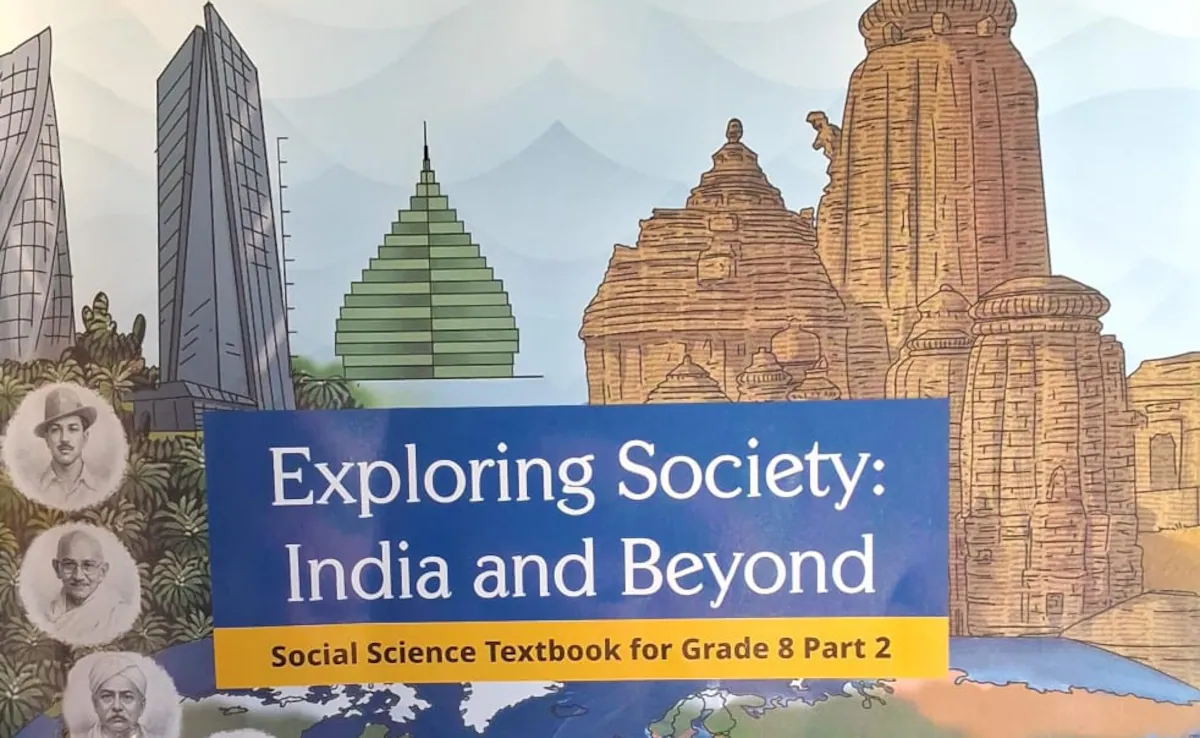
In their correspondence, the signatories highlighted the “far-reaching consequences for Indian education” arising from the Supreme Court’s decision to bar a chapter titled “The Role of the Judiciary in Our Society” from the NCERT textbook “Exploring Society: India and Beyond”. The Court also mandated that institutions should sever ties with three contributors associated with this content.
Supreme Court Orders Under Question
The letter comes after the Supreme Court’s order issued on February 26, which condemned the aforementioned chapter as “offending” and potentially damaging to the reputation of the Indian Judiciary. As a follow-up, on March 11, an unconditional apology from NCERT was sought, and the Court demanded that government agencies and publicly funded entities dissociate from the three authors responsible for the chapter’s content.
Concerns of Judicial Overreach
The academics expressed apprehension regarding legal overreach, asserting that “in India, a book can be banned only by law.” They argue that the Court’s actions raise crucial issues within the academic community and emphasize that the penalties imposed on the three contributors were executed “without providing them with an opportunity to be heard,” which they see as a violation of natural justice principles.
The signatories contend that such measures may infringe upon the individuals’ “Fundamental Rights to employment and livelihood guaranteed by our Constitution.”
Impact on Educational Discourse
Beyond legal ramifications, the scholars warn about the broader implications of the ban on academic discourse and pedagogical practices. They argue that the prohibition has impeded educational professionals, educators, and other relevant stakeholders from adequately exploring the contentious chapter and has suppressed any public discussion concerning the challenges faced by the Judiciary.
The letter posits that the Court’s involvement in textbook content could “encroach upon academic freedom and create an atmosphere of intimidation that could instill fear among current and future educators.”
Call to Action for the President
The academics have urged President Murmu to intervene and compel the Ministry of Education to address this matter with the Supreme Court. Among their key requests is the lifting of the ban on the textbook, advocating for its online availability minus the chapter concerning the Judiciary.
Additionally, they are seeking a reversal of the actions taken against the three contributors and suggest the inclusion of educationists in any review panel to ensure compliance with the National Education Policy 2020.
Long-Term Implications for Academic Freedom
A day after sending the letter, the group issued a statement emphasizing that the matter extends beyond the immediate issue and touches on the “long-term concern for academic freedom and the chilling effect” of such judicial interventions. They noted that these developments could affect the execution of the National Education Policy 2020 and impact how future educational materials are developed.
With the issue currently under judicial scrutiny, the appeal adds complexity to the ongoing debate about the balance between judicial authority and academic independence within India’s educational landscape.
Follow US
https://www.facebook.com/charchaexpress
https://www.youtube.com/@charcha-express
https://www.instagram.com/charcha.express/
Contents
Group of Scholars Raises AlarmA collective of 51 academics and scholars has reached out to President Droupadi Murmu in light of the recent ban on a chapter from an NCERT Class 8 textbook. They express significant concerns regarding what they label a threat to academic freedom, especially following the Supreme Court’s recent rulings.In their correspondence, the signatories highlighted the “far-reaching consequences for Indian education” arising from the Supreme Court’s decision to bar a chapter titled “The Role of the Judiciary in Our Society” from the NCERT textbook “Exploring Society: India and Beyond”. The Court also mandated that institutions should sever ties with three contributors associated with this content.Supreme Court Orders Under QuestionThe letter comes after the Supreme Court’s order issued on February 26, which condemned the aforementioned chapter as “offending” and potentially damaging to the reputation of the Indian Judiciary. As a follow-up, on March 11, an unconditional apology from NCERT was sought, and the Court demanded that government agencies and publicly funded entities dissociate from the three authors responsible for the chapter’s content.Concerns of Judicial OverreachThe academics expressed apprehension regarding legal overreach, asserting that “in India, a book can be banned only by law.” They argue that the Court’s actions raise crucial issues within the academic community and emphasize that the penalties imposed on the three contributors were executed “without providing them with an opportunity to be heard,” which they see as a violation of natural justice principles.The signatories contend that such measures may infringe upon the individuals’ “Fundamental Rights to employment and livelihood guaranteed by our Constitution.”Impact on Educational DiscourseBeyond legal ramifications, the scholars warn about the broader implications of the ban on academic discourse and pedagogical practices. They argue that the prohibition has impeded educational professionals, educators, and other relevant stakeholders from adequately exploring the contentious chapter and has suppressed any public discussion concerning the challenges faced by the Judiciary.The letter posits that the Court’s involvement in textbook content could “encroach upon academic freedom and create an atmosphere of intimidation that could instill fear among current and future educators.”Call to Action for the PresidentThe academics have urged President Murmu to intervene and compel the Ministry of Education to address this matter with the Supreme Court. Among their key requests is the lifting of the ban on the textbook, advocating for its online availability minus the chapter concerning the Judiciary.Additionally, they are seeking a reversal of the actions taken against the three contributors and suggest the inclusion of educationists in any review panel to ensure compliance with the National Education Policy 2020.Long-Term Implications for Academic FreedomA day after sending the letter, the group issued a statement emphasizing that the matter extends beyond the immediate issue and touches on the “long-term concern for academic freedom and the chilling effect” of such judicial interventions. They noted that these developments could affect the execution of the National Education Policy 2020 and impact how future educational materials are developed.With the issue currently under judicial scrutiny, the appeal adds complexity to the ongoing debate about the balance between judicial authority and academic independence within India’s educational landscape.