
PM Modi Advocates for Support on Women Reservation Bill
Proposal Highlights
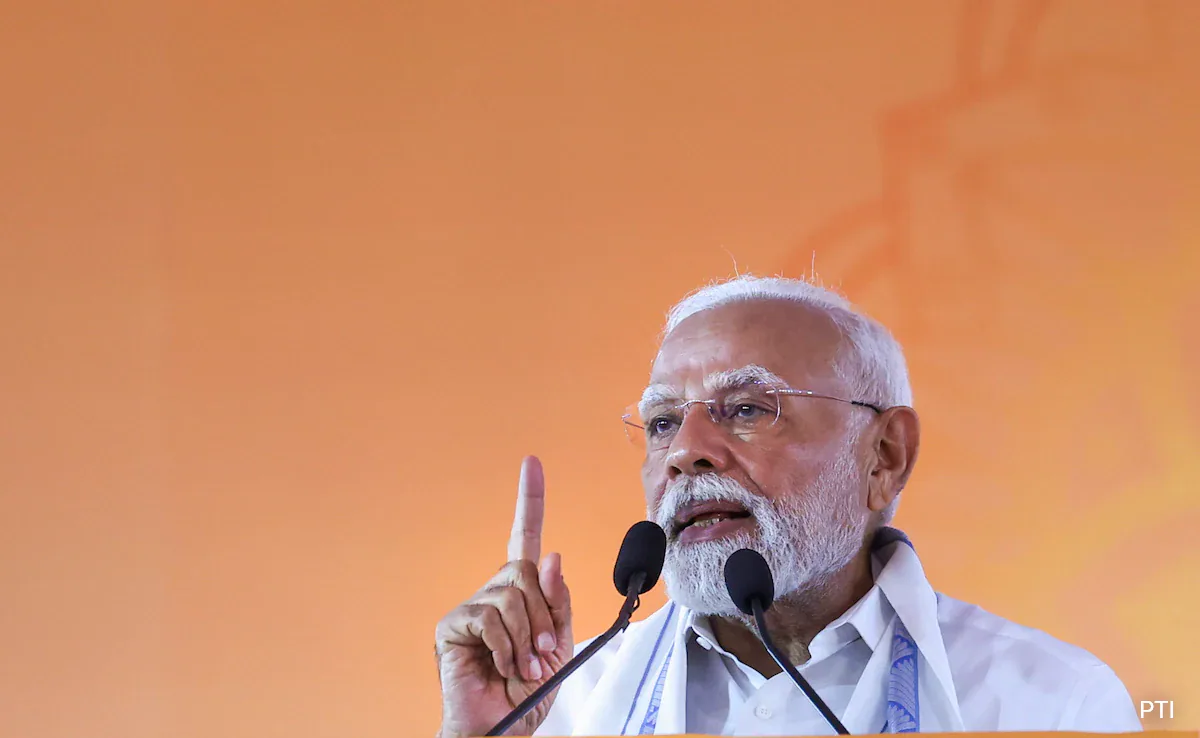
On Thursday, Prime Minister Narendra Modi articulated that the proposed amendments to the Women Reservation Act represent more than just legislative changes; they encapsulate the aspirations of millions of women across India. He urged all Members of Parliament (MPs) to unite in support of this initiative, recognizing it as an integral aspect of the nation’s civilizational ethos that fosters societal progress through women’s advancement.
The Prime Minister emphasized the necessity of implementing women’s reservation before the upcoming 2029 Lok Sabha elections and various state Assembly elections. He described the current moment as a pivotal opportunity to reinforce India’s democratic foundations while reaffirming the collective commitment to equality and inclusion.
Parliamentary Discussion Scheduled
On April 16, Parliament will convene for a focused discussion to advance the ‘Nari Shakti Vandan Adhiniyam’, commonly known as the Women Reservation Act. This Bill is poised for amendments to facilitate its implementation starting with the 2029 general elections.
The amended Act is expected to expand the number of Lok Sabha seats from the current 543 to 816, allocating 273 seats for women. This initiative follows the constitutional framework established in 2023, which mandates a 33 percent reservation for women in both the Lok Sabha and state assemblies upon completion of the delimitation process based on the upcoming 2027 Census.
Should the existing legislation remain unchanged, the provision may only take effect in 2034. Additionally, the reorganization of constituencies is planned to follow the 2011 Census data instead of the anticipated 2027 data.
Women’s Contributions Acknowledged
During his address, PM Modi recognized the vital contributions of women, asserting they represent nearly half of India’s population and are instrumental across various fields. He pointed to notable successes in areas such as science and technology, entrepreneurship, sports, and the arts, stating that women are integral to India’s ongoing progress.
The Prime Minister highlighted that sustained efforts have been made to enhance women’s empowerment through improved access to education, healthcare, financial inclusion, and basic amenities, which collectively bolster women’s participation in social and economic spheres.
Political Representation Issues
Despite these advancements, Modi remarked that women’s representation in political and legislative arenas has not achieved parity with their societal contributions. He expressed disappointment that women’s insights and experiences, when included in decision-making roles, greatly enrich public discourse and governance quality.
He noted that previous governments had made concerted efforts to establish women’s rightful place in democratic institutions, with many committees formed and drafts introduced; however, these initiatives often failed to materialize.
In September 2023, a historic consensus was reached when Parliament passed the ‘Nari Shakti Vandan Adhiniyam’. Modi described this legislative achievement as one of the most significant moments in his life, reinforcing the alignment with the Constitution’s vision of equality and inclusivity.
Appeal for Unity
The Prime Minister reiterated that reinforcing women’s representation in legislative bodies is a critical step toward realizing the Constitution’s ideals. He stressed the urgent need to address delays in advancing women’s representation, equating such delays with setbacks in enhancing the overall quality of democracy.
As India approaches this historic Parliamentary session, Modi called upon MPs from all political parties to unite and support the progression of women’s rights. He expressed his hope that all members would approach this opportunity with responsibility and purpose, reflecting the esteemed values of democracy.
He concluded by asserting that India has the capacity to rise above partisan differences when addressing national matters, urging a collective movement to empower women and foster national advancement.
Follow US
https://www.facebook.com/charchaexpress
https://www.youtube.com/@charcha-express
https://www.instagram.com/charcha.express/
Contents
Proposal HighlightsOn Thursday, Prime Minister Narendra Modi articulated that the proposed amendments to the Women Reservation Act represent more than just legislative changes; they encapsulate the aspirations of millions of women across India. He urged all Members of Parliament (MPs) to unite in support of this initiative, recognizing it as an integral aspect of the nation’s civilizational ethos that fosters societal progress through women’s advancement.The Prime Minister emphasized the necessity of implementing women’s reservation before the upcoming 2029 Lok Sabha elections and various state Assembly elections. He described the current moment as a pivotal opportunity to reinforce India’s democratic foundations while reaffirming the collective commitment to equality and inclusion.Parliamentary Discussion ScheduledOn April 16, Parliament will convene for a focused discussion to advance the ‘Nari Shakti Vandan Adhiniyam’, commonly known as the Women Reservation Act. This Bill is poised for amendments to facilitate its implementation starting with the 2029 general elections.The amended Act is expected to expand the number of Lok Sabha seats from the current 543 to 816, allocating 273 seats for women. This initiative follows the constitutional framework established in 2023, which mandates a 33 percent reservation for women in both the Lok Sabha and state assemblies upon completion of the delimitation process based on the upcoming 2027 Census.Should the existing legislation remain unchanged, the provision may only take effect in 2034. Additionally, the reorganization of constituencies is planned to follow the 2011 Census data instead of the anticipated 2027 data.Women’s Contributions AcknowledgedDuring his address, PM Modi recognized the vital contributions of women, asserting they represent nearly half of India’s population and are instrumental across various fields. He pointed to notable successes in areas such as science and technology, entrepreneurship, sports, and the arts, stating that women are integral to India’s ongoing progress.The Prime Minister highlighted that sustained efforts have been made to enhance women’s empowerment through improved access to education, healthcare, financial inclusion, and basic amenities, which collectively bolster women’s participation in social and economic spheres.Political Representation IssuesDespite these advancements, Modi remarked that women’s representation in political and legislative arenas has not achieved parity with their societal contributions. He expressed disappointment that women’s insights and experiences, when included in decision-making roles, greatly enrich public discourse and governance quality.He noted that previous governments had made concerted efforts to establish women’s rightful place in democratic institutions, with many committees formed and drafts introduced; however, these initiatives often failed to materialize.In September 2023, a historic consensus was reached when Parliament passed the ‘Nari Shakti Vandan Adhiniyam’. Modi described this legislative achievement as one of the most significant moments in his life, reinforcing the alignment with the Constitution’s vision of equality and inclusivity.Appeal for UnityThe Prime Minister reiterated that reinforcing women’s representation in legislative bodies is a critical step toward realizing the Constitution’s ideals. He stressed the urgent need to address delays in advancing women’s representation, equating such delays with setbacks in enhancing the overall quality of democracy.As India approaches this historic Parliamentary session, Modi called upon MPs from all political parties to unite and support the progression of women’s rights. He expressed his hope that all members would approach this opportunity with responsibility and purpose, reflecting the esteemed values of democracy.He concluded by asserting that India has the capacity to rise above partisan differences when addressing national matters, urging a collective movement to empower women and foster national advancement.