
Trump Responds to Mental Health Criticism After Remarks on Iran
Dismissal of Mental Health Critique
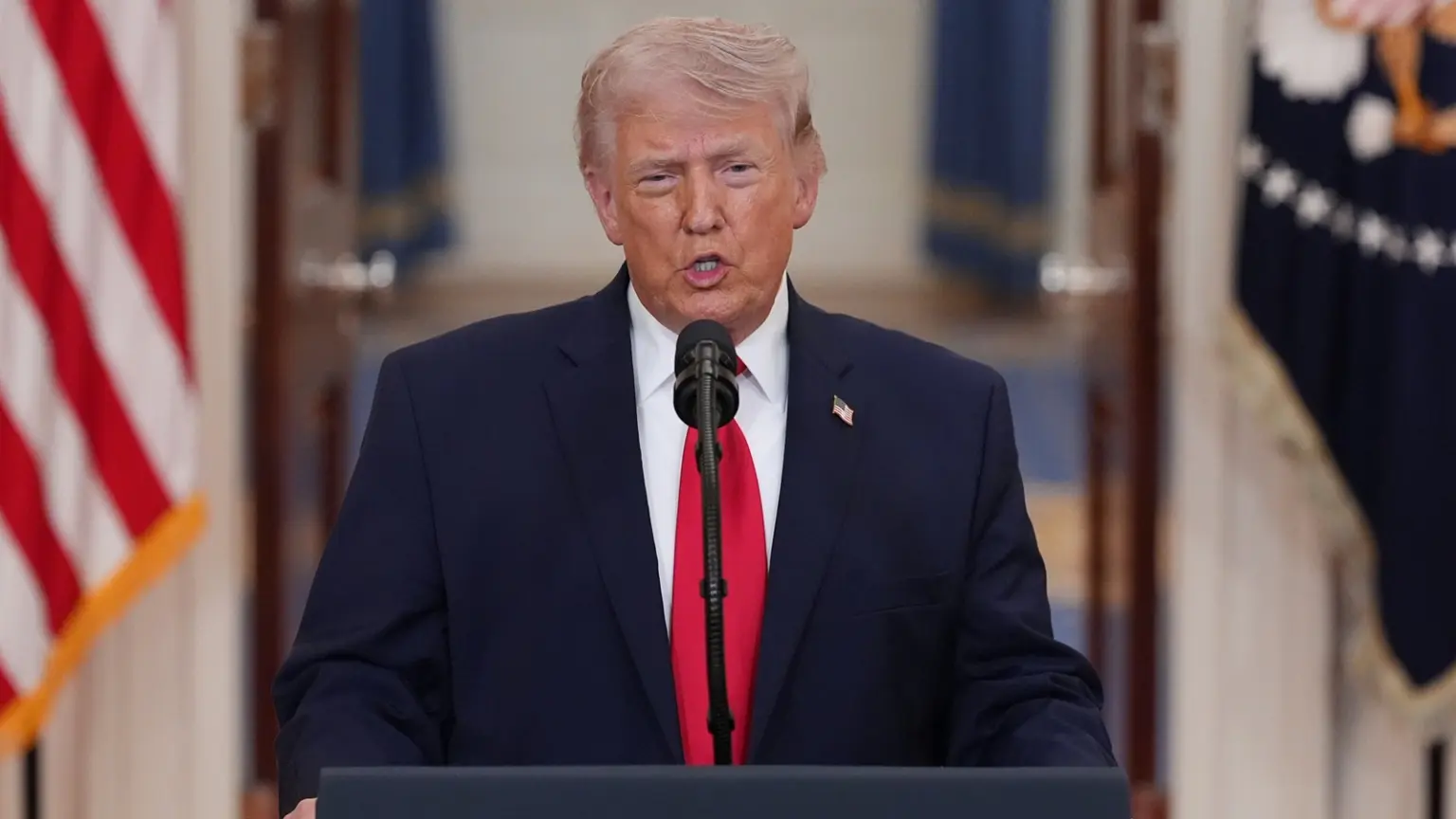
United States President Donald Trump addressed criticisms regarding his mental health on Tuesday, asserting that individuals like him were essential for guiding the country through current challenges. His comments come in light of backlash over a recent post on Truth Social where he derogatorily referred to Iranians as “crazy bastards.”
During a press interaction, Trump interrupted a journalist mid-question, expressing indifference to the criticisms. “I don’t care about critics,” he stated emphatically, adding that anyone questioning his mental health should recognize that the nation requires more leaders like him. He emphasized his role in addressing longstanding unfair trade practices, saying, “You’re gonna have to have more people like me.”
Threats Toward Iran
Trump’s remarks followed a threatening post he made on Truth Social, where he warned of significant repercussions for Iran if they did not agree to reopen the Strait of Hormuz, a vital global energy trade route. He set a deadline for compliance, threatening destruction by midnight if Iran did not act. “Tuesday will be Power Plant Day, and Bridge Day, all wrapped up in one, in Iran. There will be nothing like it!!!” he wrote, adding urgent and explicit language to convey his message.
When queried about his choice of language, Trump defended his statement, claiming it was necessary to make his point clear. “Only to make my point. I think you’ve heard it before,” he reportedly answered calmly.
Call for Dialogue on Mental Health
The question of Trump’s mental health has resurfaced as a topic of discussion since he took office in 2016. Amid ongoing tensions between the United States and Iran, a group of Iranian psychologists publicly called for dialogue regarding Trump’s mental state. In an open letter to their American colleagues, they suggested that his behavior reflects concerning psychological and personality traits.
The Iranian Psychological Society has urged for a scientific examination of what they describe as Trump’s “hostile rhetoric,” attention-seeking behavior, lack of empathy, impulsivity, and potential narcissistic and delusional tendencies. They argue that such characteristics pose a direct threat to global peace.
Concerns Over US-Iran Relations
The letter from the Iranian psychologists cited observations on Trump’s communications and actions that they claim could indicate serious psychological disorders. They noted examples of his behavior that raise alarms, including his frequent threats and insults not only towards Iran but directed at various nations.
Furthermore, the authors pointed to the implications of U.S. military aggression in the region as contributing to widespread trauma. They characterized ongoing conflicts, including bombings and targeted operations, as leading to long-lasting physical and psychological consequences for those affected.
Conclusion
As discussions surrounding Trump’s mental fitness continue, the dynamics of U.S.-Iran relations remain tense, underscored by escalating rhetoric from both sides. The broader implications of this dialogue and its impact on international relations warrant close observation as events unfold.
Follow US
https://www.facebook.com/charchaexpress
https://www.youtube.com/@charcha-express
https://www.instagram.com/charcha.express/
Contents
Dismissal of Mental Health CritiqueUnited States President Donald Trump addressed criticisms regarding his mental health on Tuesday, asserting that individuals like him were essential for guiding the country through current challenges. His comments come in light of backlash over a recent post on Truth Social where he derogatorily referred to Iranians as “crazy bastards.”During a press interaction, Trump interrupted a journalist mid-question, expressing indifference to the criticisms. “I don’t care about critics,” he stated emphatically, adding that anyone questioning his mental health should recognize that the nation requires more leaders like him. He emphasized his role in addressing longstanding unfair trade practices, saying, “You’re gonna have to have more people like me.”Threats Toward IranTrump’s remarks followed a threatening post he made on Truth Social, where he warned of significant repercussions for Iran if they did not agree to reopen the Strait of Hormuz, a vital global energy trade route. He set a deadline for compliance, threatening destruction by midnight if Iran did not act. “Tuesday will be Power Plant Day, and Bridge Day, all wrapped up in one, in Iran. There will be nothing like it!!!” he wrote, adding urgent and explicit language to convey his message.When queried about his choice of language, Trump defended his statement, claiming it was necessary to make his point clear. “Only to make my point. I think you’ve heard it before,” he reportedly answered calmly.Call for Dialogue on Mental HealthThe question of Trump’s mental health has resurfaced as a topic of discussion since he took office in 2016. Amid ongoing tensions between the United States and Iran, a group of Iranian psychologists publicly called for dialogue regarding Trump’s mental state. In an open letter to their American colleagues, they suggested that his behavior reflects concerning psychological and personality traits.The Iranian Psychological Society has urged for a scientific examination of what they describe as Trump’s “hostile rhetoric,” attention-seeking behavior, lack of empathy, impulsivity, and potential narcissistic and delusional tendencies. They argue that such characteristics pose a direct threat to global peace.Concerns Over US-Iran RelationsThe letter from the Iranian psychologists cited observations on Trump’s communications and actions that they claim could indicate serious psychological disorders. They noted examples of his behavior that raise alarms, including his frequent threats and insults not only towards Iran but directed at various nations.Furthermore, the authors pointed to the implications of U.S. military aggression in the region as contributing to widespread trauma. They characterized ongoing conflicts, including bombings and targeted operations, as leading to long-lasting physical and psychological consequences for those affected.ConclusionAs discussions surrounding Trump’s mental fitness continue, the dynamics of U.S.-Iran relations remain tense, underscored by escalating rhetoric from both sides. The broader implications of this dialogue and its impact on international relations warrant close observation as events unfold.