

Understanding Cirrhosis: Can It Be Reversed?
Diagnosis and Its Impact
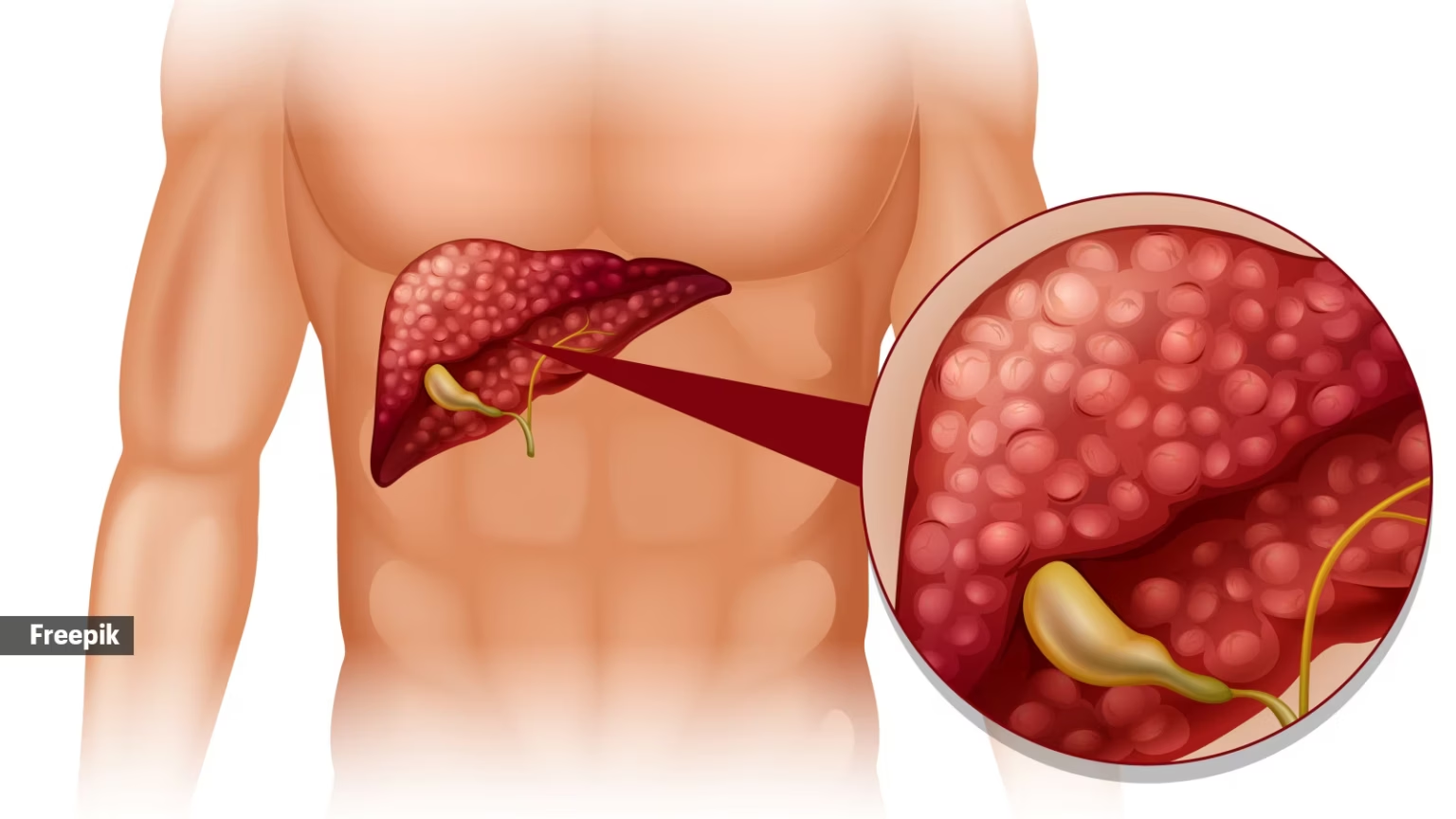
Receiving a diagnosis of liver cirrhosis can be a daunting experience. This chronic liver condition often arises from long-term issues such as excessive alcohol intake, chronic hepatitis B or C, fatty liver disease, or autoimmune disorders. A recently diagnosed patient expressed concerns on Quora, inquiring whether their condition could be reversed, prompting a deeper exploration of the topic.
Experts indicate that the potential for reversal largely depends on the disease stage. Dr. Ameet Mandot, Director of Hepatology at Gleneagles Hospital in Parel, stresses that cirrhosis is generally not entirely reversible once significant liver damage has occurred, particularly in advanced stages, where permanent scarring may develop.
Reversibility of the Condition
There is a possibility for partial reversal if cirrhosis is identified early. According to Dr. Mandot, “If cirrhosis is detected at an early stage, some liver damage can be partially reversed with proper treatment and lifestyle changes.” However, he warns that if extensive scarring is present, it is likely to be permanent, necessitating a focus on preventing further liver deterioration.
In the early stages of cirrhosis, treatment can lead to improved liver function. Addressing underlying causes—such as alcohol consumption, infections, or dietary issues—can play a vital role in the management of the condition. “Managing the cause, like stopping alcohol, controlling infections, or improving diet, can slow progression and even allow for partial healing,” Dr. Mandot explains.
Key Lifestyle Changes
Adopting healthy daily habits is crucial for those managing cirrhosis. Recommendations include quitting alcohol, adhering to a balanced low-salt diet, maintaining an optimal weight, and participating in regular medical follow-ups. Dr. Mandot emphasizes the importance of managing any underlying health issues and advises against self-medication to safeguard liver health.
Available Treatments
Treatment for cirrhosis primarily aims to slow or halt the progression of the disease. Strategies include managing the underlying causes—such as using antiviral medications for hepatitis, addressing complications, and strictly avoiding alcohol. Regular monitoring and maintaining proper nutrition are equally essential for managing this condition.
When is a Liver Transplant Necessary?
In cases of advanced cirrhosis, a liver transplant may become the sole viable treatment option. “A liver transplant is considered in advanced cirrhosis when the liver fails,” Dr. Mandot notes. Fortunately, the prognosis post-transplant is generally positive, with many patients experiencing long-term survival of 10 to 20 years or more after the procedure when they receive appropriate care and follow-up.
Although complete reversal of cirrhosis is not always feasible, particularly in advanced stages, early diagnosis and appropriate actions can yield significant improvements in patient outcomes. Timely medical intervention, lifestyle modifications, and ongoing medical care contribute substantially to slowing the disease progression and enhancing quality of life.
As a reminder, this article is based on expert insights and information available from public sources. Individuals are strongly advised to consult their healthcare providers for personalized guidance before initiating any treatment plans.
Follow US
https://www.facebook.com/charchaexpress
https://www.youtube.com/@charcha-express
https://www.instagram.com/charcha.express/
Contents
Diagnosis and Its ImpactReceiving a diagnosis of liver cirrhosis can be a daunting experience. This chronic liver condition often arises from long-term issues such as excessive alcohol intake, chronic hepatitis B or C, fatty liver disease, or autoimmune disorders. A recently diagnosed patient expressed concerns on Quora, inquiring whether their condition could be reversed, prompting a deeper exploration of the topic.Experts indicate that the potential for reversal largely depends on the disease stage. Dr. Ameet Mandot, Director of Hepatology at Gleneagles Hospital in Parel, stresses that cirrhosis is generally not entirely reversible once significant liver damage has occurred, particularly in advanced stages, where permanent scarring may develop.Reversibility of the ConditionThere is a possibility for partial reversal if cirrhosis is identified early. According to Dr. Mandot, “If cirrhosis is detected at an early stage, some liver damage can be partially reversed with proper treatment and lifestyle changes.” However, he warns that if extensive scarring is present, it is likely to be permanent, necessitating a focus on preventing further liver deterioration.In the early stages of cirrhosis, treatment can lead to improved liver function. Addressing underlying causes—such as alcohol consumption, infections, or dietary issues—can play a vital role in the management of the condition. “Managing the cause, like stopping alcohol, controlling infections, or improving diet, can slow progression and even allow for partial healing,” Dr. Mandot explains.Key Lifestyle ChangesAdopting healthy daily habits is crucial for those managing cirrhosis. Recommendations include quitting alcohol, adhering to a balanced low-salt diet, maintaining an optimal weight, and participating in regular medical follow-ups. Dr. Mandot emphasizes the importance of managing any underlying health issues and advises against self-medication to safeguard liver health.Available TreatmentsTreatment for cirrhosis primarily aims to slow or halt the progression of the disease. Strategies include managing the underlying causes—such as using antiviral medications for hepatitis, addressing complications, and strictly avoiding alcohol. Regular monitoring and maintaining proper nutrition are equally essential for managing this condition.When is a Liver Transplant Necessary?In cases of advanced cirrhosis, a liver transplant may become the sole viable treatment option. “A liver transplant is considered in advanced cirrhosis when the liver fails,” Dr. Mandot notes. Fortunately, the prognosis post-transplant is generally positive, with many patients experiencing long-term survival of 10 to 20 years or more after the procedure when they receive appropriate care and follow-up.Although complete reversal of cirrhosis is not always feasible, particularly in advanced stages, early diagnosis and appropriate actions can yield significant improvements in patient outcomes. Timely medical intervention, lifestyle modifications, and ongoing medical care contribute substantially to slowing the disease progression and enhancing quality of life.As a reminder, this article is based on expert insights and information available from public sources. Individuals are strongly advised to consult their healthcare providers for personalized guidance before initiating any treatment plans.