
Centre Asks States To Allocate More LPG To Key Industries Amid Iran Conflict
Government Directive
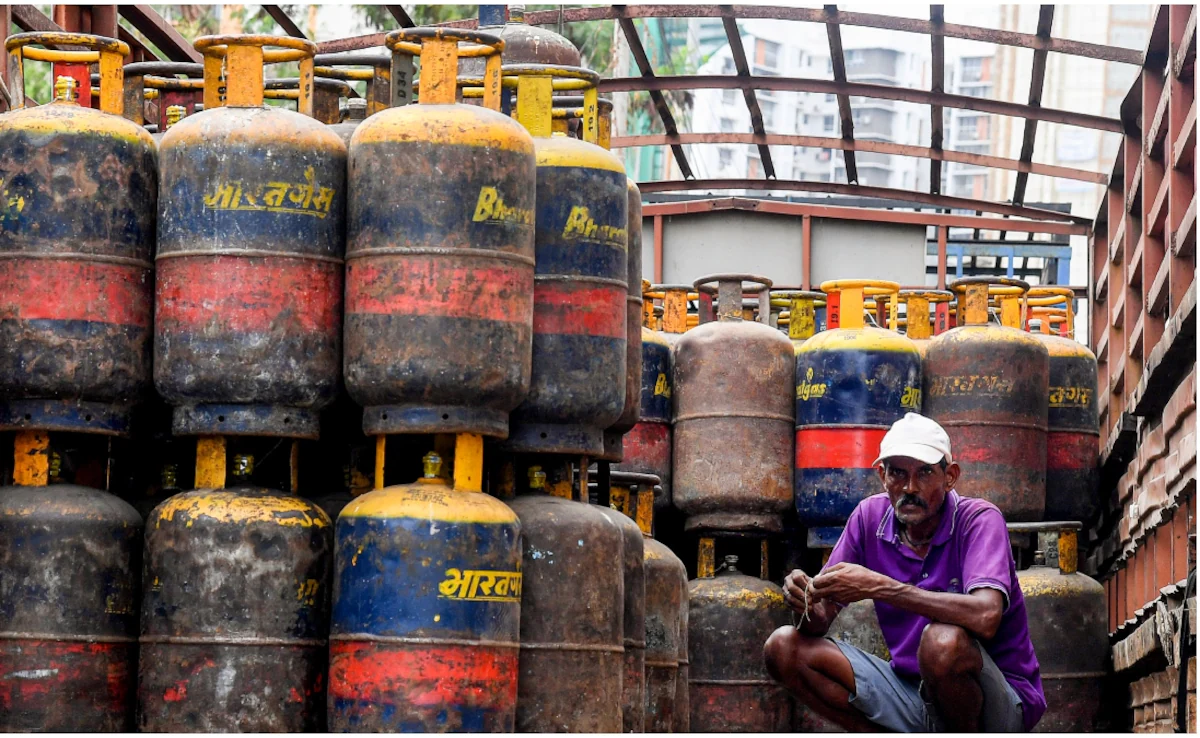
The central government has directed all states and Union Territories to allocate a greater share of packed non-domestic liquefied petroleum gas (LPG) to essential industrial sectors. In a letter issued on Wednesday, Neeraj Mittal, Secretary of the Petroleum and Natural Gas Ministry, indicated that major industries will now receive 70 percent of their LPG requirements based on their bulk non-domestic consumption recorded before March 2026.
This directive arrives in the wake of supply disruptions stemming from the ongoing conflict in Iran, which has significantly affected the imports of LPG from the Middle East. With Iran’s blockage of the Strait of Hormuz and its military actions against other Gulf countries, India’s LPG supply chain has faced considerable challenges.
Impact on Industries
The government’s allocation strategy is aimed at ensuring that crucial sectors such as pharmaceuticals, food production, polymers, and agriculture receive a more reliable supply of LPG. Additionally, the allocation will extend to other industries, including packaging, paint, uranium, heavy water, steel, seed production, metal manufacturing, ceramics, foundries, forging, glass production, and aerosol manufacturing.
Allocation Caps and Priorities
The letter specified that the allocation will adhere to a sectoral cap of 0.2 thousand metric tonnes (TMT) per day for bulk LPG. Moreover, priority will be assigned to industries that require LPG for specialized applications where alternatives, such as natural gas, may not be feasible.
States have been instructed to promptly communicate the new gas and petroleum distribution guidelines to the relevant departments. The Centre also urged states to expedite the implementation of the 10 percent reform-linked LPG allocation where it has not yet been established.
Efforts for Stable Supply
This decision is part of ongoing efforts by the government to stabilize LPG supplies for industrial use while balancing domestic consumption needs. The current volatility in international supply chains has underscored the importance of maintaining a steady flow of essential resources.
International Ceasefire Developments
The situation has been influenced by international developments, particularly a recently negotiated ceasefire involving the United States and Iran. Under this agreement, the U.S. has committed to halting strikes on Iran for a duration of two weeks, while Iran has pledged to allow vessels to navigate freely through the strategic Strait of Hormuz.
This ceasefire agreement holds considerable significance for India, an energy-dependent nation that heavily relies on imports. A reduction in hostilities may provide an opportunity for India to secure adequate LPG supplies and avert potential shortages during this turbulent period.
Despite the blockages imposed by Iran, India continues to have a strong presence in the shipping routes, with reports indicating that at least eight Indian vessels have successfully navigated the Hormuz Strait since the onset of the conflict.
.
Contents
Government DirectiveThe central government has directed all states and Union Territories to allocate a greater share of packed non-domestic liquefied petroleum gas (LPG) to essential industrial sectors. In a letter issued on Wednesday, Neeraj Mittal, Secretary of the Petroleum and Natural Gas Ministry, indicated that major industries will now receive 70 percent of their LPG requirements based on their bulk non-domestic consumption recorded before March 2026.This directive arrives in the wake of supply disruptions stemming from the ongoing conflict in Iran, which has significantly affected the imports of LPG from the Middle East. With Iran’s blockage of the Strait of Hormuz and its military actions against other Gulf countries, India’s LPG supply chain has faced considerable challenges.Impact on IndustriesThe government’s allocation strategy is aimed at ensuring that crucial sectors such as pharmaceuticals, food production, polymers, and agriculture receive a more reliable supply of LPG. Additionally, the allocation will extend to other industries, including packaging, paint, uranium, heavy water, steel, seed production, metal manufacturing, ceramics, foundries, forging, glass production, and aerosol manufacturing.Allocation Caps and PrioritiesThe letter specified that the allocation will adhere to a sectoral cap of 0.2 thousand metric tonnes (TMT) per day for bulk LPG. Moreover, priority will be assigned to industries that require LPG for specialized applications where alternatives, such as natural gas, may not be feasible.States have been instructed to promptly communicate the new gas and petroleum distribution guidelines to the relevant departments. The Centre also urged states to expedite the implementation of the 10 percent reform-linked LPG allocation where it has not yet been established.Efforts for Stable SupplyThis decision is part of ongoing efforts by the government to stabilize LPG supplies for industrial use while balancing domestic consumption needs. The current volatility in international supply chains has underscored the importance of maintaining a steady flow of essential resources.International Ceasefire DevelopmentsThe situation has been influenced by international developments, particularly a recently negotiated ceasefire involving the United States and Iran. Under this agreement, the U.S. has committed to halting strikes on Iran for a duration of two weeks, while Iran has pledged to allow vessels to navigate freely through the strategic Strait of Hormuz.This ceasefire agreement holds considerable significance for India, an energy-dependent nation that heavily relies on imports. A reduction in hostilities may provide an opportunity for India to secure adequate LPG supplies and avert potential shortages during this turbulent period.Despite the blockages imposed by Iran, India continues to have a strong presence in the shipping routes, with reports indicating that at least eight Indian vessels have successfully navigated the Hormuz Strait since the onset of the conflict.